The short answer is likely no. Bat ownership is heavily restricted and often illegal in many places due to significant public health and conservation concerns. Keeping bats as pets presents complex challenges related to legal status, animal welfare, and potential disease transmission. This article will explore the legal, ethical, and practical considerations of keeping bats as pets.
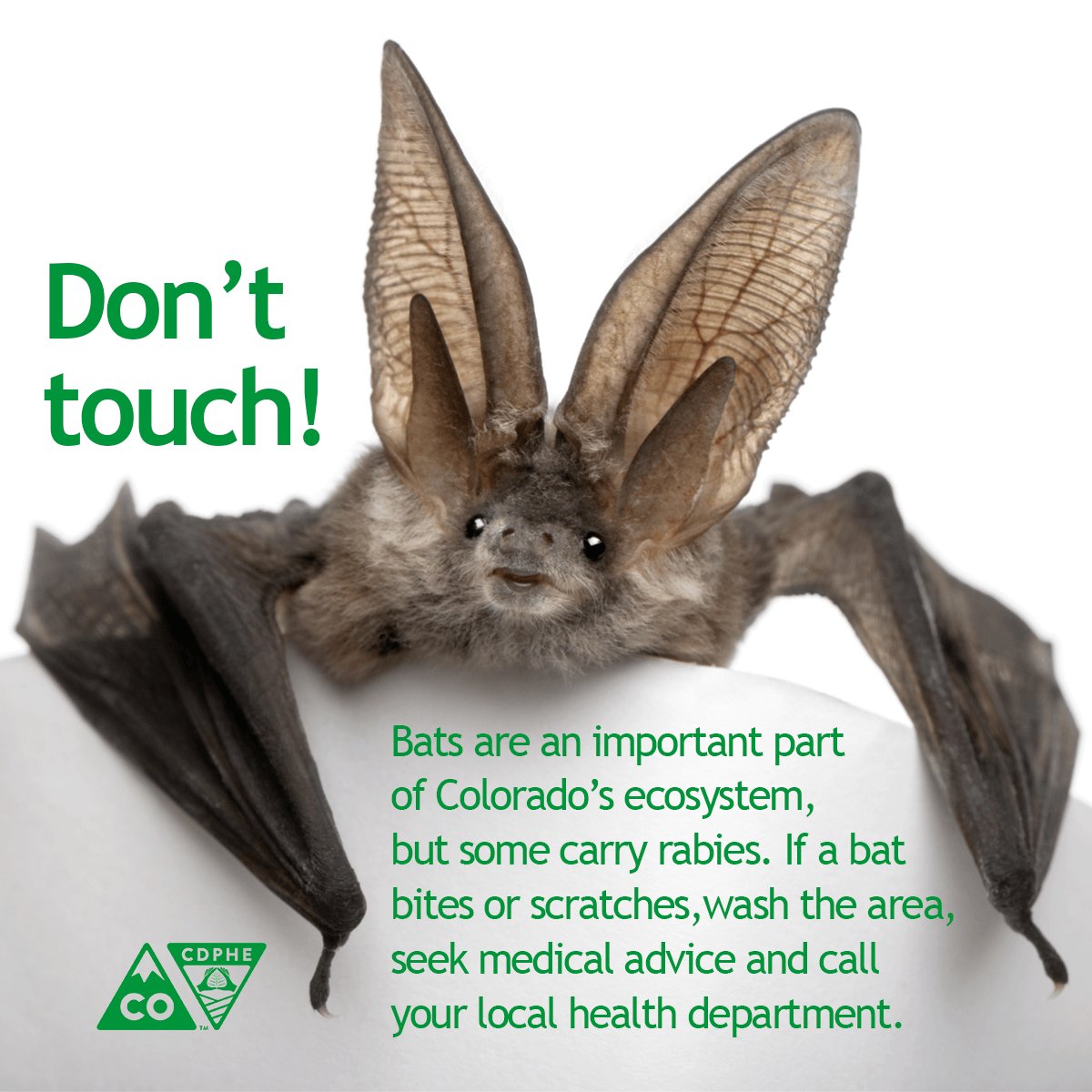
Image Source: pbs.twimg.com
The Allure of Bat Ownership: Why Keep Bats as Pets?
Some people are fascinated by bats and their unique place in the natural world. The appeal of bat ownership might stem from:
- Conservation Efforts: A belief that captive breeding programs or rescue efforts could help endangered species.
- Intellectual Curiosity: A desire to study bat behavior and biology up close.
- Exotic Pet Appeal: The attraction to owning an unusual and intriguing animal.
- Personal Connection: A feeling of empathy for injured or orphaned bats.
Regardless of the reason, it’s vital to carefully consider the numerous hurdles and responsibilities involved before contemplating bat ownership.
Pet Bat Legality: Is Bat Ownership Even Legal?
Bat ownership is far from simple. Pet bat legality varies considerably worldwide, by country, state, and even local municipality. Here’s a breakdown:
- United States: Most states prohibit keeping bats as pets. Regulations are in place to protect native bat populations and prevent the spread of bat diseases, particularly rabies. Some states might allow possession for educational or research purposes with appropriate permits, but personal bat ownership is generally forbidden. Contacting your state’s Department of Natural Resources or Fish and Wildlife Agency is crucial to determine the specific laws in your area.
- Europe: Similar to the US, European countries often have strict regulations regarding bat ownership. Bat species are protected under national and international conservation laws. Keeping bats as pets would almost certainly require special licenses and adherence to stringent animal welfare standards.
- Other Regions: Laws vary greatly in other parts of the world. Some countries might have more lenient regulations, while others may have outright bans. Researching local wildlife laws is crucial before considering keeping bats as pets.
Important Note: Even if bat ownership is technically legal in a specific area, obtaining the necessary permits can be extremely difficult. Meeting the requirements for housing, feeding, and providing specialized veterinary care is a significant challenge.
Table: Examples of Bat Ownership Legality (General Overview – Consult Local Laws)
| Region | Bat Ownership Legality | Notes |
|---|---|---|
| United States | Mostly Illegal | Permits might be available for research or education. State laws vary widely. |
| Europe | Highly Restricted | Strict conservation laws protect bats. Permits are very difficult to obtain. |
| Australia | Generally Illegal | Native wildlife protection laws are stringent. |
| South America | Varies | Regulations differ by country. Some regions may have less strict enforcement. Requires detailed knowledge of local laws and bat species. |
| Southeast Asia | Varies | Laws differ by country and region. Requires detailed knowledge of local laws and bat species. |
Ethical Considerations: Is Bat Ownership Morally Right?
Beyond legal restrictions, the ethics of keeping bats as pets are a critical aspect to consider.
- Wild Animals in Captivity: Bats are wild animals with complex needs that are difficult to meet in a domestic setting. Confining them can cause stress, behavioral problems, and a reduced quality of life.
- Conservation Concerns: Removing bats from their natural habitat can negatively impact local ecosystems, especially if the bats are taken from wild populations.
- Animal Welfare: Providing appropriate bat care requires specialized knowledge, resources, and dedication. Many individuals are ill-equipped to meet these demands, leading to neglect and suffering.
- Disease Transmission: The risk of zoonotic diseases from bats poses a significant threat to both the owner and the wider community. Bats are known carriers of rabies, histoplasmosis, and other potentially fatal illnesses.
Most animal welfare organizations strongly discourage keeping bats as pets due to these ethical concerns. The focus should be on protecting bats in their natural habitats and supporting conservation efforts.
Practical Challenges of Bat Care: Are You Prepared?
Even if you can overcome the legal and ethical hurdles, the practical challenges of bat care guide are substantial.
Bat Habitat: Providing a Suitable Environment
- Enclosure Size: Bats require large enclosures to fly and exercise. The enclosure must be designed to prevent escapes and protect the bats from injury.
- Temperature and Humidity: Maintaining the correct temperature and humidity levels is crucial for bat health. Different species have different requirements.
- Roosting Sites: Bats need access to appropriate roosting sites, such as caves, tree hollows, or artificial roosts. These sites must be clean, safe, and provide a sense of security.
- Hygiene: Regularly cleaning the enclosure is essential to prevent the buildup of harmful bacteria and fungi.
Bat Diet: Meeting Nutritional Needs
- Insectivorous Bats: Most pet bats would be insectivores, requiring a diet of live insects. This can be expensive and difficult to source consistently. Crickets, mealworms, and other insects must be gut-loaded with nutrients to provide a balanced diet.
- Frugivorous Bats: Fruit bats require a diet of fresh fruits and vegetables. The selection must be varied to ensure they receive all the necessary vitamins and minerals.
- Nectarivorous Bats: Nectar-feeding bats need a specialized liquid diet that mimics the composition of natural nectar. This diet must be carefully formulated to avoid nutritional deficiencies.
- Water: Fresh, clean water must be available at all times.
Veterinary Care: Finding a Qualified Veterinarian
- Expertise: Finding a veterinarian experienced in treating bats can be difficult. Many vets lack the knowledge and resources to properly care for these animals.
- Health Monitoring: Regular checkups are essential to monitor for signs of illness or injury. Bats can be adept at hiding symptoms, making early detection challenging.
- Quarantine: Sick or injured bats must be quarantined to prevent the spread of disease to other bats or humans.
- Cost: Specialized veterinary care for bats can be expensive.
Bat Behavior: Deciphering Their Actions
- Nocturnal Lifestyle: Bats are nocturnal animals, meaning they are most active at night. This can be disruptive to the owner’s sleep schedule.
- Social Needs: Some bat species are highly social and require interaction with other bats. Keeping a solitary bat can lead to loneliness and stress.
- Echolocation: Bats use echolocation to navigate and find food. This can create high-frequency sounds that are audible to some humans.
- Training: Training bats can be difficult, as they are not as easily domesticated as other pets.
Bat Pet Supplies: Obtaining Necessary Equipment
- Enclosures: Specialized bat enclosures can be expensive and difficult to find.
- Insect Farms: Raising your own insects for food requires space, equipment, and expertise.
- Heating and Humidifying Equipment: Maintaining the correct temperature and humidity levels requires specialized equipment.
- Veterinary Supplies: Access to appropriate medications and supplies is essential for treating bat illnesses.
Zoonotic Diseases from Bats: A Real Danger
The risk of contracting zoonotic diseases from bats is a significant concern. Bats are known carriers of several potentially deadly diseases.
- Rabies: Rabies is a viral disease that affects the central nervous system. It is almost always fatal if left untreated. Bats can transmit rabies through bites or scratches.
- Histoplasmosis: Histoplasmosis is a fungal infection that affects the lungs. It is caused by inhaling spores from bat droppings.
- Hendra Virus: Hendra virus is a deadly virus that can be transmitted from bats to horses and then to humans.
- Ebola Virus: While not directly linked to pet bats, some bat species are suspected reservoirs of Ebola virus.
- Other Diseases: Bats can also carry other diseases, such as SARS-CoV-2 (the virus that causes COVID-19), Marburg virus, and Nipah virus.
Safety Precautions:
- Vaccination: If you work with bats in a research or conservation setting, getting vaccinated against rabies is strongly recommended.
- Protective Gear: Wear gloves, masks, and other protective gear when handling bats or cleaning their enclosures.
- Hygiene: Wash your hands thoroughly after handling bats or being in contact with their droppings.
- Medical Attention: Seek immediate medical attention if you are bitten or scratched by a bat.
Alternative Ways to Appreciate Bats: Support Conservation Efforts
Instead of trying to keep bats as pets, consider these alternative ways to appreciate and support them:
- Bat Houses: Install a bat house in your yard to provide a safe roosting site for local bats.
- Support Conservation Organizations: Donate to organizations that work to protect bat habitats and promote bat conservation.
- Educate Others: Share information about the importance of bats and the threats they face.
- Citizen Science: Participate in bat monitoring programs to help track bat populations and their health.
- Responsible Tourism: Visit bat caves or other bat habitats with guided tours that follow responsible tourism practices.
FAQ: Frequently Asked Questions About Keeping Bats as Pets
- What is the best bat to keep as a pet? There is no “best” bat to keep as a pet. Due to legal and ethical considerations, keeping any bat as a pet is generally not recommended or permitted.
- Can I keep a rescued bat as a pet? Even if you rescue an injured or orphaned bat, it’s usually illegal to keep it permanently. Contact a licensed wildlife rehabilitator who can provide appropriate care and, ideally, release the bat back into the wild.
- Who is responsible for enforcing bat ownership laws? State and local wildlife agencies are typically responsible for enforcing bat ownership laws.
- Can I get a permit to keep a bat for educational purposes? Some states might issue permits for educational or research purposes, but the requirements are stringent. You would need to demonstrate your expertise and provide a detailed plan for the bat’s care and welfare.
- What is the life expectancy of a pet bat? The life expectancy of a bat in captivity can vary depending on the species and quality of care. Some bat species can live for 20-30 years.
- Are bats dangerous pets? Yes, bats can be dangerous pets due to the risk of disease transmission.
- What do you feed pet bats? The bat diet depends on the species. Insectivorous bats eat insects, frugivorous bats eat fruit, and nectarivorous bats eat nectar.
- How big of a cage do bats need? Bats need a very large cage to fly and exercise. The size of the cage will depend on the species and the number of bats.
- Do pet bats bite? Any animal can bite, but bats are generally not aggressive unless they feel threatened.
- How do I report illegal bat ownership? You can report illegal bat ownership to your local animal control or wildlife agency.
Conclusion: Prioritizing Bat Conservation Over Bat Ownership
The allure of a pet bat is a captivating thought for a select few, yet the road to such companionship is paved with insurmountable legal hurdles, ethical quandaries, and sheer impracticality. The inherent dangers for both the bat and its keeper are substantial, and the ripple effect can be detrimental to existing wild populations. Rather than inviting a bat into your home, channel your fascination into actively championing bat conservation and marveling at these extraordinary creatures in their natural environment. By championing their well-being and safeguarding their homes, we pave the way for bats to flourish in the wild for generations to come.

Hi, I’m Mette Morgan—a lifelong pet enthusiast and the heart behind PetNobs.com.. My journey with animals began at an early age, and over the years, I’ve gathered invaluable experiences and insights on everything from everyday pet care to the unique quirks each animal brings to our lives. Here at PetNobs, I share my genuine passion, practical tips, and personal stories to help you create a loving, well-informed environment for your furry, feathered, or scaled friends. Welcome to my little corner of the pet world—it’s a joy to have you here!