Can you get a pet raccoon? In many places, owning a raccoon as a pet is illegal. Even where it is legal, raccoon ownership legality varies widely and often comes with strict regulations. If you’re seriously considering a raccoon as a pet, you need to be fully aware of the legal, ethical, and practical challenges involved in raising a raccoon. This guide provides an honest and comprehensive look at what it takes to provide responsible pet raccoon care.
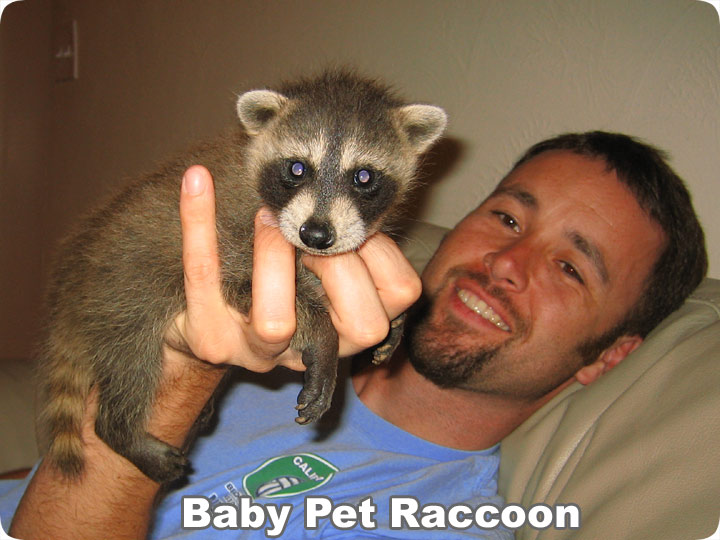
Image Source: www.raccoonatticguide.com
Is Raccoon Ownership Legal?
Before even thinking about acquiring a raccoon, you absolutely must verify raccoon ownership legality in your specific area.
- State and Local Laws: Laws vary significantly. Some states completely ban raccoon ownership. Others require permits. Still others have no specific laws regarding raccoons. Even within a state, county and city ordinances can further restrict or ban ownership.
- USDA Regulations: Even if your state permits it, the United States Department of Agriculture (USDA) has regulations regarding the possession of certain animals, particularly if you plan to breed or exhibit them.
- Consequences of Illegality: Owning a raccoon illegally can result in hefty fines, confiscation of the animal, and even criminal charges. It’s not worth the risk.
How to Check Legality:
- State Department of Natural Resources: Contact your state’s Department of Natural Resources (or equivalent agency) for information on wildlife regulations.
- Local Animal Control: Reach out to your local animal control or animal shelter to inquire about city and county ordinances.
- Legal Counsel: If you’re unsure, consult with an attorney who specializes in animal law.
Is a Raccoon the Right Pet for You?
Let’s be blunt: raccoon as a pet are not for everyone. They are wild animals with complex needs and challenging behaviors.
- Not Domesticated: Raccoons have not been domesticated like dogs or cats. Their instincts are still very much intact.
- Destructive Nature: Raccoons are highly intelligent and curious, which translates to destructive behavior if they are bored or unsupervised. They can easily destroy furniture, wiring, and other household items.
- Nocturnal Lifestyle: Raccoons are primarily nocturnal, meaning they are most active at night. This can clash with your sleep schedule and lifestyle.
- Potential for Aggression: While some raccoons can be tamed to some extent, they are still wild animals and can be unpredictable. They can bite or scratch, especially if they feel threatened.
- Lifespan and Commitment: Raccoons can live for 10-15 years in captivity. This is a long-term commitment that you need to be prepared for.
Before Proceeding, Ask Yourself:
- Do I have the time, resources, and patience to provide the intense care that a raccoon requires?
- Am I prepared for the potential for destruction and aggression?
- Can I provide a suitable and secure enclosure for a raccoon?
- Am I willing to accept the social limitations that come with owning an exotic animal?
Finding a Raccoon
If, after careful consideration, you are confident that you can provide a suitable home for a raccoon and it is legal in your area, you have a few options for acquiring one.
- Raccoon Breeder: A reputable raccoon breeder can provide you with a raccoon that has been raised in captivity and is accustomed to human interaction. However, finding a responsible breeder can be difficult. Research thoroughly and ask for references. Avoid breeders who seem to prioritize profit over the animal’s well-being.
- Wildlife Rehabilitator (Non-Releasable): Sometimes, wildlife rehabilitators care for raccoons that cannot be released back into the wild due to injury or habituation to humans. These animals may be available for adoption in some cases. This is often the most ethical route, as it provides a home for an animal that would otherwise struggle to survive.
- Rescue Organizations: While rare, some rescue organizations may occasionally take in raccoons.
Important Considerations:
- Never take a raccoon from the wild. This is often illegal and unethical, as it disrupts the ecosystem and deprives the animal of its natural habitat.
- Avoid buying raccoons from online marketplaces or pet stores. These sources are often unreliable and may not provide adequate care for the animals.
Providing Proper Pet Raccoon Care
Pet raccoon care is incredibly demanding and requires a significant investment of time, money, and effort.
Raccoon Enclosure
The raccoon enclosure is critical for the animal’s safety and well-being, as well as to prevent escapes.
- Size: The enclosure should be as large as possible. At a minimum, it should be at least 10 feet wide, 10 feet long, and 8 feet high. Larger is always better.
- Security: The enclosure must be escape-proof. Raccoons are incredibly adept at opening doors and climbing fences. Use heavy-gauge wire mesh and secure all openings with strong latches. Consider burying the bottom of the enclosure to prevent digging.
- Enrichment: The enclosure should provide plenty of enrichment to keep the raccoon stimulated and entertained. This includes:
- Climbing structures (trees, branches, platforms)
- A den or shelter for sleeping
- A water source for bathing and playing
- Toys (puzzle toys, balls, chew toys)
- Digging opportunities (sandboxes)
- Location: The enclosure should be located in a safe and quiet area, away from loud noises and potential hazards. It should also provide shade and protection from the elements.
Raccoon Diet
A proper raccoon diet is essential for their health and longevity.
- Commercial Raccoon Food: High-quality commercial raccoon food should form the basis of their diet. Look for foods that are specifically formulated for raccoons or other omnivorous animals.
- Fruits and Vegetables: Supplement their diet with a variety of fresh fruits and vegetables, such as berries, apples, grapes, bananas, carrots, and sweet potatoes.
- Protein Sources: Provide protein sources such as cooked chicken, fish, eggs, or nuts.
- Avoid: Avoid feeding raccoons dog food, cat food, or sugary treats. These foods are not nutritionally balanced for raccoons and can lead to health problems.
- Water: Always provide fresh, clean water.
Sample Daily Diet:
| Food Type | Amount |
|---|---|
| Commercial Raccoon Food | 1/2 cup |
| Fruits and Vegetables | 1/4 cup |
| Protein Source (Chicken) | 1/4 cup |
| Nuts | 1 tablespoon |
Raccoon Health
Raccoon health requires proactive care and regular veterinary checkups.
- Veterinary Care: Find a veterinarian who is experienced in treating exotic animals, including raccoons. They can provide vaccinations, deworming, and other necessary medical care.
- Vaccinations: Raccoons should be vaccinated against rabies, distemper, and other diseases.
- Parasite Control: Raccoons are susceptible to internal and external parasites. Regular deworming and flea/tick prevention are essential.
- Common Health Problems: Be aware of common health problems in raccoons, such as obesity, dental disease, and respiratory infections.
- Zoonotic Diseases: Raccoons can carry diseases that can be transmitted to humans, such as rabies, raccoon roundworm, and leptospirosis. Take precautions to protect yourself and your family.
Raccoon Behavior
Raccoon behavior is complex and can be challenging to manage.
- Natural Instincts: Keep in mind that raccoons are driven by their natural instincts, such as foraging, climbing, and exploring.
- Intelligence: Raccoons are highly intelligent and require mental stimulation to prevent boredom and destructive behavior.
- Socialization: Raccoons are generally solitary animals, but they can be socialized to some extent, especially if they are raised from a young age.
- Biting and Scratching: Even tame raccoons can bite or scratch if they feel threatened or stressed. It’s crucial to learn their body language and avoid situations that could trigger aggression.
- Destructive Behavior: Raccoons are naturally curious and manipulative, which can lead to destructive behavior. Provide plenty of appropriate chew toys and enrichment to redirect their energy.
Taming a Raccoon
Taming a raccoon is a gradual process that requires patience and consistency.
- Early Socialization: The earlier you start socializing a raccoon, the better. Handle them gently and frequently from a young age.
- Positive Reinforcement: Use positive reinforcement techniques, such as treats and praise, to reward desired behaviors.
- Avoid Punishment: Never punish a raccoon, as this can damage your relationship and make them fearful.
- Consistency: Be consistent with your training and routines.
- Respect Boundaries: Respect the raccoon’s boundaries and avoid forcing interaction if they are not receptive.
Important Note: Even with extensive taming, a raccoon will never be as predictable or reliable as a domesticated animal. Always exercise caution and be prepared for unexpected behavior.
Ethical Considerations
Owning a raccoon raises significant ethical concerns.
- Animal Welfare: Is it ethical to keep a wild animal in captivity, even if you provide good care? Raccoons have complex needs that may be difficult to meet in a domestic setting.
- Conservation: Removing raccoons from the wild can have a negative impact on the ecosystem.
- Public Safety: Raccoons can pose a risk to public safety if they escape or become aggressive.
- Alternatives: Consider supporting wildlife rehabilitation centers or conservation organizations instead of owning a raccoon.
Alternatives to Raccoon Ownership
If you’re drawn to raccoons but are hesitant about the responsibilities of ownership, consider these alternatives:
- Volunteer at a Wildlife Rehabilitation Center: This allows you to interact with raccoons and other wildlife while contributing to their care and eventual release.
- Support Wildlife Conservation Organizations: Donate to or volunteer with organizations that protect raccoon habitats and promote responsible wildlife management.
- Enjoy Observing Raccoons in the Wild (Responsibly): Learn about local raccoon populations and observe them from a distance, respecting their natural behavior and avoiding any interference.
- Get a Different Pet: Consider a domesticated animal that is better suited to life as a companion, such as a dog or cat.
Frequently Asked Questions (FAQ)
- What is the best way to find a raccoon breeder?
- Finding a reputable raccoon breeder requires extensive research. Check online directories, but be wary of breeders who prioritize profit over animal welfare. Ask for references from previous buyers and visit the breeder’s facility to assess the living conditions of the animals.
- Can I train a raccoon to use a litter box?
- While it’s possible to litter train a raccoon, it’s not always successful. They are naturally inclined to eliminate in water or secluded areas. Consistency and positive reinforcement can help, but accidents are likely to happen.
- Who is liable if my pet raccoon bites someone?
- Liability for raccoon bites varies by location. Generally, as the owner, you are responsible for any injuries caused by your animal. This can include medical bills, lost wages, and even legal damages. Your homeowner’s insurance may not cover exotic animal bites, so it’s essential to check your policy.
- Are there any online communities for raccoon owners?
- Yes, several online forums and social media groups cater to raccoon owners. However, be cautious when seeking advice online. Not all information is accurate or reliable. Consult with a veterinarian or wildlife expert for professional guidance.
- What is the average cost of owning a raccoon?
- The cost of owning a raccoon can vary widely depending on your location and the specific needs of the animal. Initial costs can include the purchase price of the raccoon, enclosure construction, and initial veterinary care. Ongoing costs include food, enrichment items, veterinary care, and potential property damage. Expect to spend several thousand dollars per year.
- Can a raccoon get along with cats or dogs?
- Interactions between raccoons and other pets are unpredictable. While some raccoons may coexist peacefully with cats or dogs, others may exhibit aggression. Always supervise interactions closely and provide separate spaces for each animal to retreat.
- Is it cruel to keep a raccoon as a pet?
- This is a matter of personal opinion and ethical considerations. Raccoons are wild animals with complex needs that may be difficult to meet in a domestic setting. Keeping a raccoon as a pet can be considered cruel if the animal’s welfare is compromised. Responsible ownership, including providing a suitable enclosure, proper diet, and veterinary care, can mitigate some of these concerns. However, many people believe that raccoons belong in the wild and should not be kept as pets.
Taking on a raccoon as a pet is a journey fraught with significant challenges, a path few are truly equipped to navigate. Before even whispering the thought, delve deep into the legal labyrinth, the ethical quandaries, and the sheer logistical realities. If you cannot commit to the unwavering, demanding attention these captivating animals necessitate, find your joy in observing them from a respectful distance.

Hi, I’m Mette Morgan—a lifelong pet enthusiast and the heart behind PetNobs.com.. My journey with animals began at an early age, and over the years, I’ve gathered invaluable experiences and insights on everything from everyday pet care to the unique quirks each animal brings to our lives. Here at PetNobs, I share my genuine passion, practical tips, and personal stories to help you create a loving, well-informed environment for your furry, feathered, or scaled friends. Welcome to my little corner of the pet world—it’s a joy to have you here!