The short answer is no, you generally cannot have a coyote as a pet. Coyote ownership legality is heavily restricted, and for good reason. Keeping a coyote illegal is common due to the significant coyote domestication risks, their complex coyote behavior as pets, and the extensive coyote care requirements. This article will delve into why coyote ownership is not only often illegal but also profoundly irresponsible and detrimental to both the animal and potential owners.
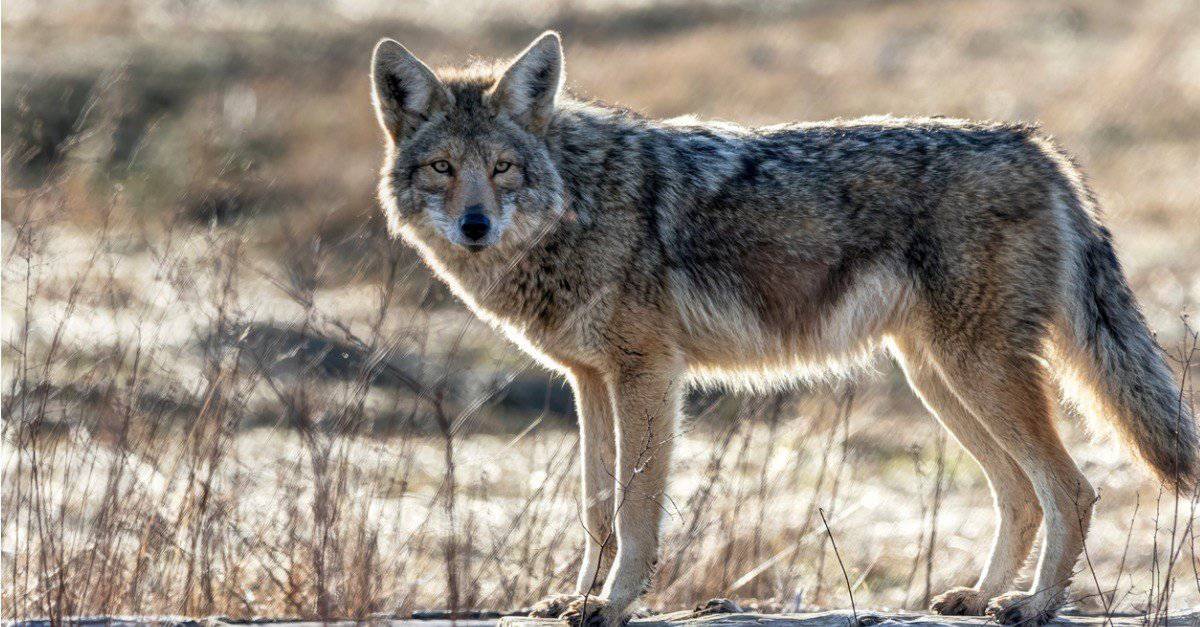
Image Source: a-z-animals.com
Laws Around Keeping Coyotes
Each state, and sometimes even individual counties or cities, has its own rules. These rules decide if keeping a coyote illegal, restricted, or completely banned. In many places, it’s against the law to own one without special permits. These permits are usually only for zoos, research centers, or wildlife rehabilitators. Even with a permit, there are strict rules about how the coyote must be kept.
Variations in State Laws
- Complete Bans: Some states forbid private coyote ownership entirely.
- Permitting Systems: Other states might allow it with a permit, but these permits are hard to get. You’ll need to prove you can care for the animal properly and have a good reason for wanting to keep one.
- Loopholes: A few states have less clear laws, but even then, local ordinances may prohibit coyote ownership.
Federal Regulations
While there are few broad federal laws regulating private coyote ownership, the Lacey Act makes it illegal to transport wildlife across state lines if it violates state or federal laws.
Penalties for Illegal Ownership
Breaking these laws can lead to serious consequences, including:
- Fines: Hefty fines can be imposed.
- Confiscation: The coyote will be taken away.
- Criminal Charges: You could face criminal charges, especially if the coyote harms someone.
Why Coyotes Don’t Make Good Pets
Coyotes are wild animals, plain and simple. They have specific needs that are almost impossible to meet in a home environment. Trying to keep them as pets presents numerous problems.
Fathoming Coyote Behavior as Pets
Coyotes are not like dogs. They haven’t been bred for thousands of years to live with humans. Their natural instincts are strong, and these instincts can cause problems in a domestic setting.
- Prey Drive: Coyotes have a strong urge to hunt. This can be dangerous for smaller pets like cats, rabbits, or even small dogs.
- Digging and Chewing: They are natural diggers and chewers. Your furniture and yard would likely suffer.
- Fear and Aggression: Coyotes are naturally wary of humans. This fear can lead to aggression, especially if they feel threatened.
- Vocalization: Coyotes are very vocal animals. Their howling and yipping can be disruptive, especially in a neighborhood.
Examining Coyote Domestication Risks
Domestication is a long process of selective breeding over many generations. Coyotes are not domesticated animals. Attempting to domesticate an individual coyote is unlikely to succeed and can be dangerous.
- Unpredictable Behavior: Even if a coyote seems tame, its wild instincts can kick in at any time.
- Lack of Trainability: Coyotes are much harder to train than dogs. They don’t respond well to traditional training methods.
- Genetic Predisposition: Wild genes will always influence their behavior.
Exploring Coyote Care Requirements
Coyotes have very specific needs that are difficult and expensive to meet in captivity.
- Space: They need a large, secure enclosure to roam and exercise. A typical backyard is not nearly enough.
- Enrichment: Coyotes need mental stimulation to prevent boredom and stress. This can include puzzle feeders, toys, and opportunities to explore.
- Specialized Diet: Coyotes need a varied coyote diet in captivity that mimics what they would eat in the wild, including raw meat, bones, and vegetables. This can be expensive and difficult to source.
- Veterinary Care: Finding a vet who is experienced in treating coyotes can be challenging.
Table: Comparison of Coyote vs. Dog Care Needs
| Feature | Coyote | Dog |
|---|---|---|
| Space | Large, secure enclosure | Moderate yard or walks |
| Diet | Raw meat, bones, varied diet | Commercial dog food |
| Training | Difficult, limited success | Highly trainable |
| Socialization | Requires specialized knowledge | Easier to socialize |
| Veterinary Care | Specialized vet required | Readily available veterinary care |
Evaluating Coyote Temperament with Humans
Coyotes are naturally shy and avoid contact with humans. While some may become accustomed to their human caretakers, they are not affectionate animals in the same way as domesticated pets.
- Limited Bonding: The bond between a coyote and a human is unlikely to be as strong or reliable as the bond between a dog and a human.
- Potential for Bites and Scratches: Even a well-socialized coyote can bite or scratch if it feels threatened or scared.
- Risk to Children: Coyotes should never be left unsupervised around children.
Examining Coyote Rehabilitation Impact
When people try to keep coyotes as pets, even with good intentions, it can negatively impact wildlife rehabilitation efforts.
- Reduced Chances of Release: Coyotes that are raised in captivity may become too habituated to humans to be successfully released back into the wild.
- Spread of Disease: Keeping a coyote as a pet can increase the risk of spreading diseases between domestic animals and wildlife.
- Negative Perception of Wildlife: It can create the impression that wild animals are suitable pets, which can lead to more people trying to keep them.
Coyote Pet Alternatives
If you are drawn to the unique qualities of coyotes but recognize the ethical and practical problems of keeping one as a pet, consider these alternatives:
Dog Breeds with Similar Appearances or Traits
- German Shepherd: Intelligent, loyal, and energetic, German Shepherds share some physical similarities with coyotes.
- Siberian Husky: Known for their wolf-like appearance and endurance, Huskies can provide a glimpse into the wild.
- Alaskan Malamute: Large and powerful, Malamutes have a strong work ethic and a striking resemblance to wolves and coyotes.
Supporting Wildlife Conservation Efforts
- Donating to Wildlife Sanctuaries: Contribute to organizations that rescue and care for coyotes and other wildlife.
- Volunteering at Rehabilitation Centers: Help care for injured or orphaned wildlife and learn about their needs.
- Educating Others: Share information about the dangers of keeping wild animals as pets.
Addressing Coyote Adoption Ethical Considerations
Even if you find a coyote that needs a home, there are ethical considerations to keep in mind before considering coyote adoption ethical considerations.
- Is it truly orphaned? Sometimes, young animals that appear to be abandoned are actually being cared for by their parents.
- Can it be released back into the wild? The goal of wildlife rehabilitation should always be to return animals to their natural habitat whenever possible.
- Do you have the resources to provide proper care? Coyotes require specialized care that most people are not equipped to provide.
- Is it legal? Check with your local and state authorities to ensure that you are not violating any laws.
FAQ About Coyote Ownership
- What is the legal status of coyote ownership in my state? Check with your state’s Department of Natural Resources or Fish and Wildlife Agency.
- Can I raise a coyote pup if I find one? It is generally illegal and unethical to raise a coyote pup. Contact a licensed wildlife rehabilitator instead.
- Who is responsible if a pet coyote harms someone? The owner is typically held liable for any damages or injuries caused by their coyote.
- Can I train a coyote like a dog? Coyotes are much harder to train than dogs and may never be fully reliable.
- What is the best diet for a coyote in captivity? A varied diet of raw meat, bones, and vegetables is ideal, but consult with a wildlife veterinarian for specific recommendations.
- What are some signs that a coyote is stressed or unhappy? Pacing, excessive barking, self-harm, and loss of appetite are all signs of stress in coyotes.
- Why is it dangerous to release a captive-raised coyote into the wild? Captive-raised coyotes lack the skills and instincts to survive in the wild and may also be habituated to humans, making them a nuisance or danger.
- Can I get a permit to keep a coyote? Permits are typically only issued to zoos, research facilities, or wildlife rehabilitators.
- Are there any benefits to keeping a coyote as a pet? There are no real benefits. The risks and challenges far outweigh any perceived advantages.
Ultimately, the allure of a coyote companion quickly fades when faced with the stark realities of legality, ethics, and sheer impracticality. These are untamed creatures, their intricate wild instincts and needs fundamentally at odds with the confines of domestication. For those drawn to their spirit, a more responsible path lies in championing wildlife preservation or welcoming a domesticated dog breed that echoes their fascinating traits.

Hi, I’m Mette Morgan—a lifelong pet enthusiast and the heart behind PetNobs.com.. My journey with animals began at an early age, and over the years, I’ve gathered invaluable experiences and insights on everything from everyday pet care to the unique quirks each animal brings to our lives. Here at PetNobs, I share my genuine passion, practical tips, and personal stories to help you create a loving, well-informed environment for your furry, feathered, or scaled friends. Welcome to my little corner of the pet world—it’s a joy to have you here!