Can a coyote be a pet? The short answer is a resounding no. While the idea of raising a wild animal might seem exciting, keeping a coyote as a pet is generally a bad idea due to legal issues, ethical concerns, and the immense challenges of providing proper care and safety. This article will delve into the many reasons why coyote domestication is highly unrecommended.
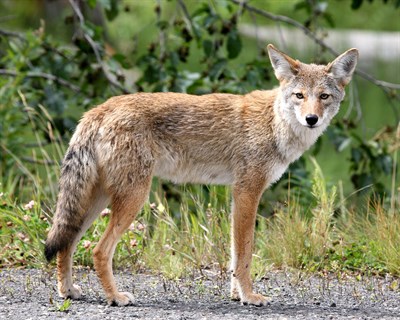
Image Source: vetmed.tamu.edu
The Myth of Coyote Domestication
The thought of taming a coyote often comes from a place of romanticism, fueled by images in movies or stories. However, coyote domestication is not only improbable but practically impossible within a single lifespan. True domestication requires generations of selective breeding to alter an animal’s genetics and behavior, making them suitable companions. Coyotes haven’t undergone that process. They are inherently wild animals.
Wild vs. Domesticated: A Core Difference
Dogs, for example, are domesticated wolves. This means that after thousands of years, they have been selectively bred for traits that make them easier to live with, such as obedience, sociability, and reduced aggression. Coyotes haven’t. They retain their wild instincts, which are not always compatible with a domestic setting.
Coyote as a Pet Legality: A Murky Territory
The legal landscape surrounding coyote as a pet legality is complex and varies widely depending on location.
State and Local Laws
- Prohibition: Most states and many local jurisdictions outright prohibit owning coyotes. This is often based on concerns about public safety, wildlife conservation, and disease transmission.
- Permitting: In some areas, you might be able to obtain a permit to keep a coyote, but this is usually reserved for educational or research purposes. The requirements for obtaining such a permit are generally very strict.
- Grey Areas: A few places might have less clear laws, but even in these instances, keeping a coyote can lead to legal trouble if the animal causes damage or injury.
Before considering anything else, check your local and state laws. Contact your state’s Department of Natural Resources or a local animal control agency. Ignoring the law can result in hefty fines, the seizure of the animal, and even jail time.
Table: Sample US State Laws on Coyote Ownership (Disclaimer: Laws change frequently. Consult official sources for the most up-to-date information.)
| State | Legality of Coyote Ownership | Notes |
|---|---|---|
| California | Generally Prohibited | Permits may be issued for specific purposes such as research. |
| Texas | Regulated | Coyotes are considered exotic animals. Strict permitting requirements apply. |
| New York | Prohibited | Wild animals are generally prohibited as pets. |
| Florida | Prohibited | Wild animals are generally prohibited as pets to protect native wildlife. |
| Pennsylvania | Permitted in some cases | Requires permits and meeting stringent standards for care and housing. |
Coyote Temperament: Unpredictability Defined
Even if it were legal, the coyote temperament makes them unsuitable as pets.
Inherent Wildness
Coyotes are naturally wary of humans and other animals. This isn’t something that can be easily trained out of them. Their wild instincts drive their behavior.
Unpredictability
Unlike dogs, whose behavior has been shaped by domestication, coyotes retain a wide range of unpredictable behaviors. They might be affectionate one moment and aggressive the next. This makes them dangerous, especially around children and other pets.
Dominance and Territoriality
Coyotes are naturally dominant and territorial animals. In a domestic setting, this can manifest as aggression towards family members or other animals, especially if the coyote feels threatened or challenged.
Coyote Behavior in Captivity: A Recipe for Disaster
Confining a coyote to a domestic environment can lead to a host of behavioral problems. Understanding coyote behavior in captivity is essential to acknowledge the sheer impracticality of keeping them as pets.
Destructive Behavior
Coyotes are naturally curious and energetic animals. They need a lot of space to roam and explore. When confined to a house or yard, they are likely to become bored and destructive, tearing up furniture, digging holes, and trying to escape.
Escape Attempts
Coyotes have a strong instinct to roam and explore their territory. They are also intelligent and resourceful, making them excellent escape artists. A coyote kept as a pet will likely spend a lot of time trying to escape, potentially endangering itself and others.
Stress and Anxiety
Life in captivity can be incredibly stressful for a coyote. They are not meant to be confined, and they may develop anxiety, depression, and other psychological problems. This can lead to further behavioral issues and a lower quality of life for the animal.
Raising a Coyote: A Difficult and Demanding Task
Raising a coyote, even from a young age, doesn’t guarantee a well-behaved or safe pet.
Early Socialization Challenges
Even with early socialization, a coyote will never be as reliably socialized as a dog. They will always retain their wild instincts and be more prone to aggression and fear.
Nutritional Needs
Coyotes have specific nutritional needs that are difficult to meet in a domestic setting. They require a diet that is high in protein and low in carbohydrates. Feeding them the wrong food can lead to health problems.
Exercise Requirements
Coyotes are incredibly active animals that require a lot of exercise. They need space to run, hunt, and explore. A typical backyard is not nearly enough space to meet their needs.
Coyote Pet Ownership Challenges: A Long List of Problems
The coyote pet ownership challenges are immense and should deter anyone considering bringing one into their home.
Veterinary Care
Finding a veterinarian who is willing and able to treat a coyote can be very difficult. Most vets lack the expertise and experience necessary to provide proper care for a wild animal.
Housing Requirements
Coyotes require secure, spacious enclosures to prevent escapes and protect them from the elements. These enclosures can be expensive to build and maintain.
Odor
Coyotes have a distinctive, musky odor that many people find unpleasant. This odor can be difficult to control in a domestic setting.
Noise
Coyotes are vocal animals that howl, bark, and yip. This noise can be disruptive to neighbors and even violate local noise ordinances.
Coyote Puppy Training: Limited Success
While you might be tempted to think coyote puppy training is similar to dog training, it’s an entirely different, and far more difficult, endeavor.
Limited Trainability
Coyotes are not as trainable as dogs. They are less motivated by human interaction and more resistant to commands.
Consistency is Key (and Difficult)
Training a coyote requires a great deal of patience, consistency, and expertise. Even with the best training, there is no guarantee that the coyote will ever be reliably obedient.
Risk of Injury
Training a coyote can be dangerous. They can be unpredictable and may bite or scratch if they feel threatened.
Coyote vs Dog as Pet: There is No Comparison
The coyote vs dog as pet comparison is a clear win for dogs. Dogs are domesticated animals that have been bred for companionship. Coyotes are wild animals that are not suited to life as pets.
Domesticated Traits
Dogs possess traits developed over millennia of domestication, making them generally predictable, trainable, and social.
Wild Instincts
Coyotes retain their wild instincts, making them unpredictable, difficult to train, and potentially dangerous.
Companionship
Dogs thrive on human companionship and form strong bonds with their owners. Coyotes are less likely to form strong bonds and may view humans as a threat.
Coyote Care Requirements: A Significant Burden
The coyote care requirements are extensive and demanding.
Specialized Diet
Coyotes need a diet that closely mimics what they would eat in the wild, including raw meat, bones, and organs.
Large Enclosure
Coyotes require a large, secure enclosure that provides plenty of space to roam and explore.
Enrichment
Coyotes need mental and physical stimulation to prevent boredom and destructive behavior. This can include providing them with toys, puzzles, and opportunities to hunt.
Professional Expertise
Caring for a coyote often requires the assistance of a wildlife rehabilitator or other expert.
Risks of Owning a Coyote: Public Safety and Animal Welfare
The risks of owning a coyote extend beyond the individual owner to the community and the animal itself.
Public Safety
Coyotes can be dangerous to humans, especially children and the elderly. They can also pose a threat to pets and livestock.
Disease Transmission
Coyotes can carry diseases that are transmissible to humans and other animals, such as rabies, distemper, and mange.
Conservation Concerns
Keeping coyotes as pets can contribute to the decline of wild populations. Illegally capturing coyotes from the wild can disrupt ecosystems and reduce genetic diversity.
Animal Welfare
Keeping a coyote in captivity is often detrimental to its welfare. Coyotes are not meant to be confined, and they may suffer from stress, anxiety, and other psychological problems.
In conclusion, due to the legal issues, the inherent danger to humans and other animals, the immense difficulties in providing adequate care, and the potential for severe behavioral problems, coyotes should not be kept as pets.
Frequently Asked Questions (FAQ)
-
What if I find an abandoned coyote pup? Contact a local wildlife rehabilitator immediately. They have the expertise and resources to care for the pup properly and, if possible, release it back into the wild. Attempting to raise it yourself is illegal and harmful.
-
Can a coyote be trained like a dog? No. While some level of training may be possible, coyotes are not as trainable as dogs due to their wild instincts and different motivations. Their behavior will always be less predictable.
-
Are coyote hybrids (coydogs) any better as pets? Coydogs are still wild animals with unpredictable behavior. While some may be more docile than pure coyotes, they still pose significant risks and challenges as pets. Their legality may also be questionable in many areas.
-
The question of whether it’s ethically justifiable to confine a coyote is a thorny one, usually landing on the side of “no” due to the significant welfare needs of these wild creatures and the inherent public safety risks. However, a narrow ethical corridor opens for those possessing proper licenses, like wildlife rehabilitators or researchers, whose work directly contributes to the survival or understanding of coyotes.

Hi, I’m Mette Morgan—a lifelong pet enthusiast and the heart behind PetNobs.com.. My journey with animals began at an early age, and over the years, I’ve gathered invaluable experiences and insights on everything from everyday pet care to the unique quirks each animal brings to our lives. Here at PetNobs, I share my genuine passion, practical tips, and personal stories to help you create a loving, well-informed environment for your furry, feathered, or scaled friends. Welcome to my little corner of the pet world—it’s a joy to have you here!