Can a coyote be a pet? The short answer is generally no. While it might seem intriguing to consider coyote ownership, it’s fraught with ethical, legal, and practical challenges. This article explores the complexities of raising a coyote, examining everything from their natural behavior to the legal ramifications of keeping one as a pet.
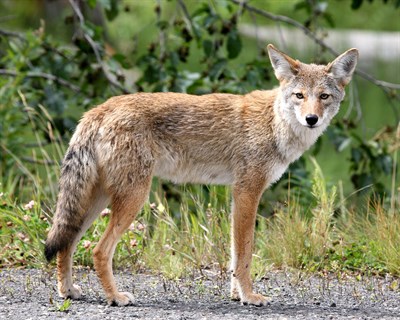
Image Source: vetmed.tamu.edu
The Allure and Reality of Coyote Ownership
The image of a wild coyote might conjure romantic ideas of a unique and intelligent companion. However, the reality of coyote domestication is far removed from this fantasy. Coyotes are wild animals, and their inherent instincts remain strong, even when raised in captivity.
What is a Coyote?
Coyotes ( Canis latrans) are members of the Canidae family, which also includes dogs, wolves, and foxes. They are native to North America and are highly adaptable animals, thriving in various environments from forests to urban areas. Known for their intelligence and cunning, coyotes play a vital role in their ecosystems.
The Key Differences Between Coyotes and Dogs
While coyotes and dogs share a common ancestor, significant differences make them unsuitable as pets.
- Domestication: Dogs have undergone thousands of years of domestication, selectively bred for traits that make them good companions. Coyotes have not. This means they retain their wild instincts and behaviors.
- Temperament: Coyote temperament is inherently wild and unpredictable. While some individual coyotes might appear docile, they are prone to fear, aggression, and destructive behaviors, especially when confined or stressed.
- Social Structure: Coyotes have a complex social structure based on pack dynamics and territoriality. They require a large territory to roam and engage in natural behaviors, which is impossible to replicate in a typical household.
The Legalities of Coyote Ownership
Legal coyote ownership varies greatly depending on location. Many states, provinces, and municipalities have laws prohibiting the possession of wild animals, including coyotes.
Is Legal Coyote Ownership Possible?
In some areas, permits or licenses might be available for specific purposes, such as scientific research, education, or wildlife rehabilitation. However, obtaining these permits is usually difficult and requires meeting strict criteria. Very few places allow keeping a coyote as simply a pet.
Consequences of Illegal Coyote Ownership
Owning a coyote illegally can result in severe penalties, including:
- Fines
- Confiscation of the animal
- Criminal charges
- Liability for damages caused by the coyote
Always check local and state laws before considering acquiring any wild animal.
The Immense Challenges of Coyote Ownership
Even in places where it might be technically legal, raising a coyote presents significant challenges that most people are ill-equipped to handle.
Coyote Behavior as Pets: A Mismatch
Coyote behavior as pets is often problematic due to their ingrained instincts:
- Destructive Behavior: Coyotes are natural diggers, chewers, and hunters. They can destroy furniture, yards, and even houses in their attempts to satisfy these instincts.
- Escape Artists: Coyotes are incredibly agile and intelligent, making them skilled escape artists. They can easily jump fences, dig under barriers, and even learn to open doors.
- Unpredictable Aggression: While some coyotes might appear friendly, they can become aggressive, especially during mating season or when feeling threatened. This poses a risk to humans and other pets.
Coyote Care Requirements: Demands Beyond the Ordinary
Coyote care requirements are far beyond what most pet owners can provide:
- Extensive Space: Coyotes need vast territories to roam and exercise. A typical backyard is nowhere near sufficient.
- Specialized Diet: Coyotes have specific dietary needs that are difficult to replicate with commercial pet food. They require a balanced diet of meat, bones, and other nutrients.
- Enrichment Needs: Coyotes need constant mental and physical stimulation to prevent boredom and destructive behavior. This requires specialized toys, activities, and training.
- Veterinary Care: Finding a veterinarian willing and able to treat a coyote can be difficult. Many vets lack the experience and expertise to handle wild animals.
Coyote Temperament: Wild at Heart
Attempts at coyote domestication are largely unsuccessful because their wild temperament remains intact.
- Fearful and Anxious: Coyotes are naturally wary of humans and can become fearful and anxious in a domestic environment.
- Territorial and Possessive: Coyotes are highly territorial and can become possessive of their food, toys, and space, leading to aggression.
- Unpredictable Behavior: Even coyotes raised from a young age can exhibit unpredictable behavior, especially during hormonal changes or stressful situations.
Ethical Considerations of Coyote Pets
The ethical considerations of coyote pets are significant and should not be overlooked.
Is It Fair to Keep a Wild Animal in Captivity?
Keeping a coyote as a pet deprives it of its natural life and instincts. Coyotes are meant to roam free, hunt, and live in their natural social groups. Confining them to a domestic environment is inherently cruel.
The Impact on the Coyote’s Well-being
Even with the best intentions, it is difficult to meet the physical and psychological needs of a coyote in captivity. This can lead to:
- Stress and anxiety
- Boredom and frustration
- Physical health problems
- Behavioral issues
The Potential Danger to Humans and Other Animals
Coyote interactions with humans can be dangerous, especially if the coyote becomes aggressive or escapes. They can also pose a threat to domestic animals, such as cats and small dogs.
The Message It Sends
Coyote ownership can normalize the idea of keeping wild animals as pets, which can have negative consequences for conservation efforts and animal welfare.
Responsible Alternatives to Coyote Ownership
If you admire coyotes and want to support them, there are responsible ways to do so without bringing one into your home.
Supporting Wildlife Rehabilitation Centers
Wildlife rehabilitation centers rescue and care for injured or orphaned coyotes, with the goal of releasing them back into the wild. Supporting these centers through donations or volunteering can help ensure the well-being of coyotes in need.
Promoting Habitat Conservation
Coyotes need healthy habitats to thrive. Supporting organizations that work to conserve and protect coyote habitats can help ensure their long-term survival.
Educating Others About Coyotes
Sharing information about coyotes and their role in the ecosystem can help dispel myths and promote a better appreciation for these fascinating animals.
Final Thoughts on Coyote Companionship
The prospect of coyote companionship may seem appealing, but the reality is that keeping a coyote as a pet is unethical, dangerous, and often illegal. Coyotes are wild animals that belong in the wild. While coyote interactions with humans can sometimes be necessary for conservation, they should never be forced into a domestic setting. Responsible alternatives, such as supporting wildlife rehabilitation and habitat conservation, are the best ways to help ensure the well-being of these remarkable animals.
Frequently Asked Questions (FAQ)
What is the lifespan of a coyote?
In the wild, coyotes typically live for 6-10 years. In captivity, they can live longer, sometimes up to 15 years or more, but this does not negate the ethical concerns of keeping them as pets.
Can I train a coyote like a dog?
While coyotes are intelligent, they are not easily trained like dogs. Their wild instincts and independent nature make them resistant to traditional training methods.
Are coyotes dangerous to humans?
Coyotes can be dangerous, especially if they become habituated to humans or feel threatened. Attacks on humans are rare but can occur.
What should I do if I find an injured or orphaned coyote?
Contact your local wildlife rehabilitation center or animal control agency. Do not attempt to handle the animal yourself.
Is it possible to “rescue” a coyote and give it a better life as a pet?
Though the thought of befriending a coyote might stem from a kind heart, it seldom serves the animal’s true welfare. These wild spirits are simply not built for the confines of our homes, and their intricate needs prove nearly impossible to fulfill when they’re not in their natural domain. The most impactful way to champion a coyote’s cause is by bolstering wildlife rehabilitation programs and championing the preservation of their wild spaces.

Hi, I’m Mette Morgan—a lifelong pet enthusiast and the heart behind PetNobs.com.. My journey with animals began at an early age, and over the years, I’ve gathered invaluable experiences and insights on everything from everyday pet care to the unique quirks each animal brings to our lives. Here at PetNobs, I share my genuine passion, practical tips, and personal stories to help you create a loving, well-informed environment for your furry, feathered, or scaled friends. Welcome to my little corner of the pet world—it’s a joy to have you here!