Can you bury a pet in your backyard? The answer is: it depends. The legality of burying pets at home varies greatly depending on where you live. Even if it’s legal, there are important safety and ethical considerations to keep in mind. This article will walk you through the legalities, potential dangers, and responsible practices of pet burial in your backyard.
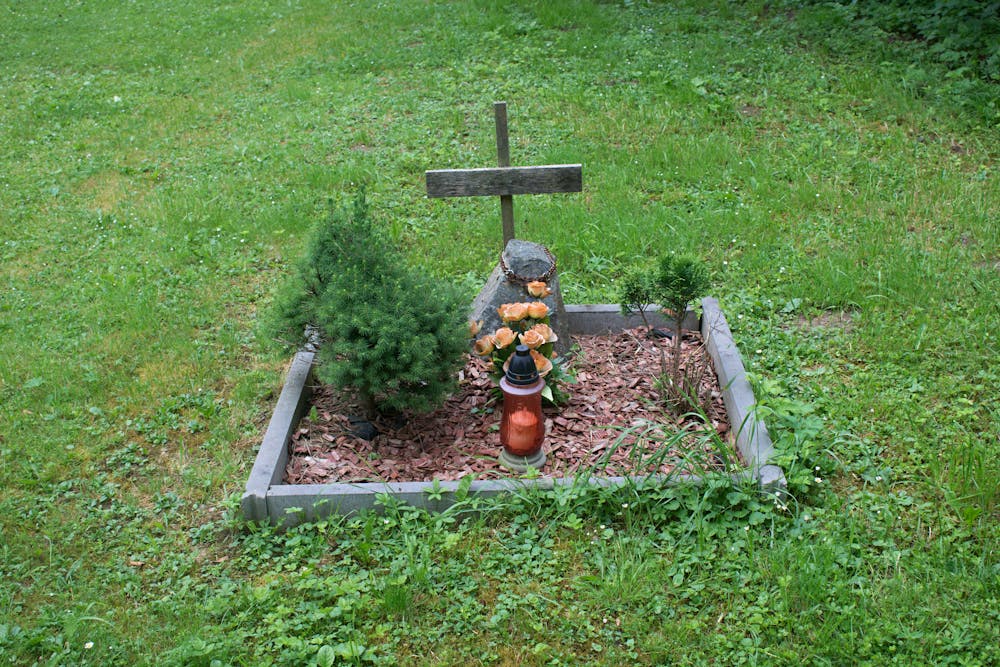
Image Source: images.theconversation.com
Legal Aspects: Can I Create a Backyard Pet Cemetery?
Many people consider a pet a member of the family. Losing them is hard. The thought of a backyard pet cemetery where you can visit them can be comforting. But is it allowed? Home pet burial laws are not the same everywhere.
Varying Local Ordinances
The legality of pet burial backyard depends heavily on local laws. These laws are usually controlled at the city, county, or even neighborhood level. You need to check these levels to know. Some areas might allow it with no fuss, while others have strict rules. Some might ban it entirely.
- Zoning Laws: Check zoning laws first. These laws say what you can do with your land. They might not allow animal burial.
- Local Ordinances: Your city or county probably has rules about pet disposal backyard. Look for rules about waste disposal, sanitation, and public health. These rules often cover animal remains.
- HOA Regulations: If you live in a neighborhood with a Homeowners Association (HOA), check their rules. HOAs often have rules about what you can do on your property. This could include animal burial restrictions.
How to Find the Rules
Finding the exact rules can take some work. Here are some steps:
- Call Your City or County Clerk: This is a good place to start. They can point you to the right departments and resources.
- Check the City or County Website: Most local governments have websites with information about laws and ordinances. Look for sections on animal control, waste management, or public health.
- Contact Your HOA: If you have an HOA, contact them directly for their rules.
- Search Online: Use search terms like “pet burial backyard laws [your city/county/state]” to find information.
Table 1: Examples of Pet Burial Regulations (Illustrative)
| Location | Pet Burial Allowed? | Specific Rules |
|---|---|---|
| City A | Yes | Must be at least 100 feet from wells, streams, and property lines. |
| County B | No | All animal remains must be cremated or buried at a licensed pet cemetery. |
| Neighborhood C (HOA) | No | Pet burial is prohibited. |
| State D | Varies by County | Check local county ordinances. |
Disclaimer: This table is for illustration only. Always check your specific local regulations.
Penalties for Breaking the Rules
Burying a pet illegally can lead to fines. In some cases, it could lead to more serious legal problems. It’s always best to follow the rules to avoid any issues.
Safety Considerations: Burying Pets Safely
Even if it’s legal to bury your pet, safety should be your first concern. Burying pets safely protects you, your family, your other pets, and the environment.
Public Health and Environmental Risks
- Water Contamination: A major concern is water contamination. If the burial is too close to a water source, harmful bacteria or chemicals from the pet’s body can seep into the water. This can make people and animals sick.
- Disease Transmission: If your pet died from a contagious disease, the disease could survive in the soil. This could put other animals at risk.
- Scavengers: Shallow graves can attract scavengers like foxes, coyotes, or stray dogs. They might dig up the remains, which is upsetting and can spread disease.
Steps for Safe pet burial backyard
- Depth: Dig a deep grave. At least 3 feet deep is best. This helps prevent scavengers from digging up the body and reduces the risk of contamination.
- Location: Choose a spot away from water sources, property lines, and areas where people or animals often walk.
- Container: Place the body in a sturdy, biodegradable container. A wooden box or a pet burial bag works well. Avoid plastic, which doesn’t break down.
- Covering: Cover the body with lime (calcium oxide). Lime helps speed up decomposition and reduces odor.
- Marking: Mark the grave with a stone or marker. This will help you remember the location and avoid accidentally digging it up later.
Risks to Other Animals
If you have other pets, keep them away from the burial site. They might be curious and try to dig. This could expose them to disease or chemicals.
What If My Pet Was Euthanized?
If your pet was euthanized, the euthanasia drug can stay in their system for some time. This drug can be harmful to scavengers or other animals that might dig up the body. A deeper burial and the use of lime are even more important in these cases.
Ethical Considerations: Grief After Pet Loss Burial
Losing a pet is a painful experience. Choosing to bury them in your backyard can be a way to feel closer to them and honor their memory. However, it’s important to think about the emotional and ethical aspects.
The Importance of Closure
Having a pet burial backyard can bring comfort and closure. It gives you a place to visit and remember your pet. A small backyard pet cemetery with a marker can be a peaceful spot.
Alternatives to Backyard Burial
If you’re not sure about backyard burial, there are other options:
- Pet Cemeteries: These are like human cemeteries, but for pets. They offer a dignified and respectful final resting place.
- Cremation: Cremation is another popular option. You can keep the ashes in an urn or scatter them in a special place.
- Veterinary Disposal: Your vet can handle the disposal of your pet’s remains. This is often the easiest option, but it might not provide the same sense of closure.
Making the Right Choice
The best choice depends on your personal beliefs, your local laws, and your individual circumstances. Consider what will bring you the most comfort and peace of mind.
Practical Guidelines for Home Pet Burial Laws
Before you bury your pet, make sure you’ve done your homework. Follow these practical guidelines:
- Research Local Laws: Check city, county, and HOA rules.
- Choose a Safe Location: Pick a spot away from water sources and property lines.
- Dig Deep: Dig a grave at least 3 feet deep.
- Use a Biodegradable Container: Place the body in a wooden box or pet burial bag.
- Cover with Lime: This helps with decomposition and odor control.
- Mark the Grave: Use a stone or marker to remember the location.
- Keep Other Pets Away: Prevent them from digging at the site.
Fathoming Pet Burial Guidelines
Following pet burial guidelines helps you honor your pet while protecting the environment and public health.
Guidelines Summary
- Legality: Know the laws in your area.
- Safety: Protect water sources, other animals, and people.
- Ethics: Consider your emotional needs and what feels right for you.
- Practicality: Follow the steps for safe and responsible burial.
What to Do If You Can’t Bury Your Pet at Home
If backyard burial isn’t an option, explore other choices like pet cemeteries or cremation. These options still allow you to honor your pet and say goodbye in a meaningful way.
Interpreting Animal Burial Restrictions
Animal burial restrictions are in place for a reason. They protect public health, the environment, and the well-being of other animals.
Reasons for Restrictions
- Preventing Disease Spread: Restrictions help prevent the spread of diseases from animal remains.
- Protecting Water Sources: They protect drinking water from contamination.
- Controlling Scavengers: They reduce the risk of scavengers digging up remains.
- Maintaining Public Health: They ensure that animal disposal is done in a safe and sanitary manner.
Respecting the Rules
Even if you disagree with the rules, it’s important to respect them. They are in place to protect the community. Find alternative ways to honor your pet that comply with local regulations.
FAQ: Frequently Asked Questions
Q: What is the first thing I should do before burying my pet?
A: Check your local city, county, and HOA regulations regarding pet burial.
Q: Can I bury my pet in a plastic bag?
A: No, use a biodegradable container like a wooden box or pet burial bag.
Q: How deep should the grave be?
A: At least 3 feet deep to prevent scavengers and contamination.
Q: Is it safe to bury my pet near a water source?
A: No, bury your pet far away from water sources to prevent contamination.
Q: What if my pet died of a contagious disease?
A: Contact your vet or local animal control for advice. It might be best to cremate the remains.
Q: Can I put flowers or plants on the grave?
A: Yes, but choose plants that are non-toxic to animals.
Q: What if I move?
A: If you move, you’ll leave the grave behind. This is something to consider before choosing backyard burial.
Q: Is burying my pet a good way to cope with grief?
A: It can be, but it’s important to also seek support from friends, family, or a grief counselor.
Q: What do I do if I find out I illegally buried my pet?
A: Contact your local animal control or health department to discuss your options.
Choosing how to say goodbye to a cherished pet is deeply personal. By arming yourself with knowledge and these helpful pointers, you can make a decision that feels right, honoring your furry friend with care, legality, and respect.

Hi, I’m Mette Morgan—a lifelong pet enthusiast and the heart behind PetNobs.com.. My journey with animals began at an early age, and over the years, I’ve gathered invaluable experiences and insights on everything from everyday pet care to the unique quirks each animal brings to our lives. Here at PetNobs, I share my genuine passion, practical tips, and personal stories to help you create a loving, well-informed environment for your furry, feathered, or scaled friends. Welcome to my little corner of the pet world—it’s a joy to have you here!