No, you cannot have a koala bear as a pet. Koala pet ownership is illegal in almost every part of the world. Beyond legal restrictions, koala care requirements are incredibly specialized, making them unsuitable as pets.
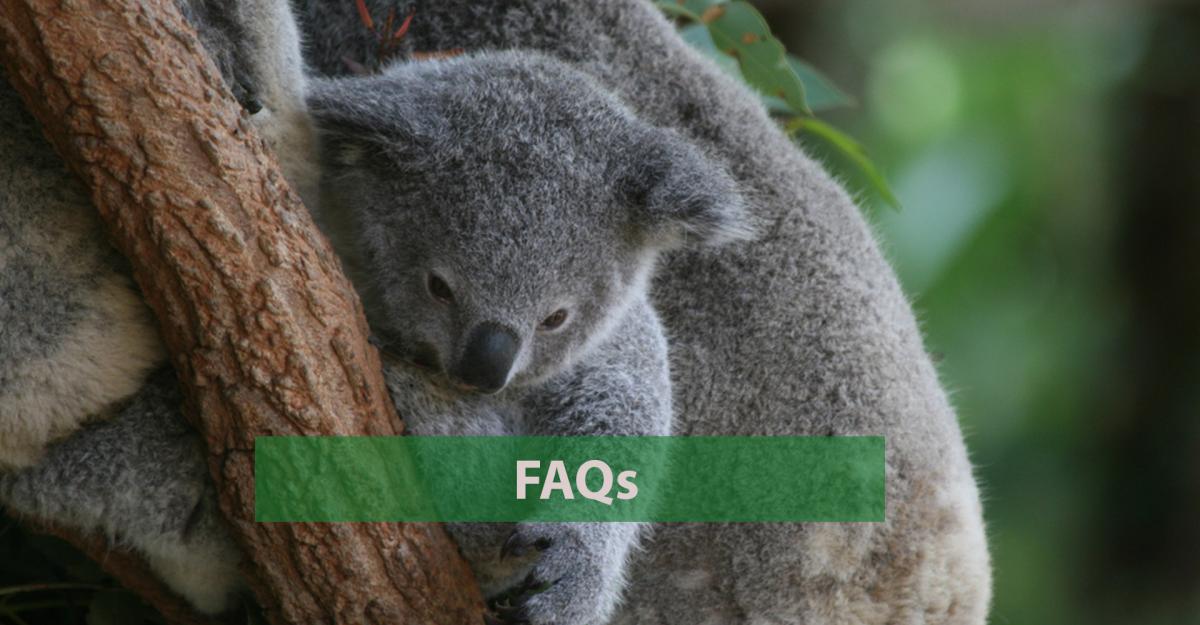
Image Source: www.savethekoala.com
Why Koala Bear as Pet is a Bad Idea
The dream of owning an exotic pet koala might sound appealing to some. Imagine snuggling with a cute, furry creature. However, the reality of koala bear as pet is far from idyllic. The challenges are huge, impacting both the animal’s well-being and your own. This section will explore the reasons why koalas do not belong in homes.
The Legal Landscape of Koala Ownership
Koala legality is very strict. Here’s a breakdown:
- Australia: Koalas are native to Australia. They are protected under federal law. It’s illegal for private citizens to keep them. Even zoos face strict rules to care for them.
- United States: U.S. laws follow Australian laws very closely. Koalas are not native to the U.S. There are very few zoos that have them. It would be almost impossible for anyone to import one.
- Other Countries: Similar laws exist in many other countries. These laws focus on protecting native species and controlling exotic pet trade.
Koala Care Requirements: A Difficult Task
Even if koala pet ownership were legal, the level of care they need is difficult. Here’s why:
- Specialized Diet: Koala diet consists almost entirely of eucalyptus leaves. They eat about a pound of these leaves each day. Not just any eucalyptus will do. Koalas eat only a few types of the hundreds of species. Finding a reliable source is a problem.
- Unique Habitat: Koala habitat must mimic their natural environment. They need tall trees for climbing. The temperature and humidity must be right. They need a large, safe outdoor space.
- Veterinary Care: Most vets lack the knowledge to treat koalas. They require specialized medical care. If your koala gets sick, finding a qualified vet may be almost impossible.
Koala Bear Temperament: Not Cuddly Toys
Koala bear temperament is often misunderstood. Despite their cute looks, they are not always cuddly:
- Solitary Animals: Koalas are mostly solitary animals. They don’t naturally seek companionship. They might become stressed by constant handling.
- Sharp Claws and Teeth: When threatened, koalas can bite and scratch. Their claws are very sharp. They need them for climbing.
- Sleepy Nature: Koalas sleep for up to 20 hours a day. While this might seem low-maintenance, they need quiet and space to rest. This can be hard to give them in a home.
The Price Tag: Way More Than You Think
The koala bear price is not just about buying the animal. If it were legal (which it isn’t), here’s what you’d be paying for:
| Expense | Estimated Cost | Details |
|---|---|---|
| Koala Purchase | Not Possible (Illegal) | The initial “cost” is irrelevant, as purchase is prohibited. |
| Habitat Creation | $50,000 – $200,000+ | Large enclosure with mature eucalyptus trees, climate control. |
| Ongoing Food Costs | $5,000 – $10,000+ per year | Sourcing specific eucalyptus species, potential shipping costs. |
| Veterinary Care | $1,000 – $5,000+ per year | Specialized care from exotic animal vets, potential emergency treatment. |
| Permits & Licensing | Unknown & Likely Impossible | If legal, permits would be very expensive and hard to obtain. |
Conservation Concerns for Koalas
Keeping koalas as pets worsens their koala conservation status. Their numbers are decreasing in the wild because of:
- Habitat Loss: As cities grow, koala habitat is lost. This means fewer places for them to live and find food.
- Climate Change: Changes in weather patterns affect eucalyptus trees. This impacts the koalas’ food supply.
- Disease: Koalas are vulnerable to diseases like chlamydia. These diseases can spread quickly through populations.
- Bushfires: Natural disasters like bushfires destroy koala habitats, killing many koalas.
Removing koalas from their natural habitat for the exotic pet koala trade only makes matters worse. It can harm wild populations. It can also cause stress and suffering to the animals involved.
Fathoming the Koala’s Natural Life
To truly understand why koalas don’t belong in homes, it’s important to know about their natural lives.
Life in the Wild: Koala Habitat and Social Structure
In the wild, koalas live in eucalyptus forests. They have a few basic needs:
- Eucalyptus Trees: Their food source and shelter.
- Space: To roam and find mates.
- A Stable Climate: To survive without extreme stress.
Koalas are mostly solitary, but they do have social interactions. During mating season, males compete for females. Mothers and their young share close bonds.
The Koala Diet: More Than Just Eucalyptus
While eucalyptus is the main part of their koala diet, it’s more complex than that:
- Specific Species: Koalas are picky eaters. They prefer certain types of eucalyptus. The taste and oil content vary.
- Seasonal Changes: The nutritional value of eucalyptus changes throughout the year. Koalas must adapt to these changes.
- Detoxification: Eucalyptus leaves are toxic. Koalas have special digestive systems. These help them break down the toxins.
Common Misconceptions About Koalas
Many people have wrong ideas about koalas:
- They’re Bears: Koalas are marsupials, not bears. They are more closely related to kangaroos and wombats.
- They’re Always Cuddly: Wild animals are unpredictable. They can be dangerous if they feel threatened.
- They’re Easy to Care For: Their specialized needs make them very hard to care for.
More Than Just a Pet: The Importance of Conservation
It’s important to think about koala conservation status and the bigger picture. Koalas play a key role in their ecosystem. Protecting them helps protect the entire environment.
How You Can Help Koalas
Even if you can’t own a koala, you can still help them:
- Support Conservation Groups: Donate to organizations that protect koala habitat.
- Reduce Your Carbon Footprint: Climate change threatens koalas. Make changes to reduce your impact on the environment.
- Educate Others: Share information about koalas and their conservation needs.
Ethical Considerations of Exotic Pet Ownership
The desire for exotic pets often comes from a place of fascination. However, it’s important to think about the ethical issues:
- Animal Welfare: Wild animals often suffer in captivity. They cannot express natural behaviors. They may experience stress and loneliness.
- Environmental Impact: The exotic pet trade can harm wild populations. It can also spread diseases to native animals.
- Public Safety: Exotic pets can be dangerous. They can bite, scratch, and spread diseases to humans.
FAQs: Koala Bear as Pet
Here are some frequently asked questions about koalas as pets:
Q: Can I own a koala if I live in Australia?
A: No, it is illegal for private citizens to own koalas in Australia. Strict regulations protect them.
Q: What do koalas eat?
A: Koalas eat almost only eucalyptus leaves. They need specific species of eucalyptus to survive.
Q: Are koalas dangerous?
A: Koalas can be dangerous if they feel threatened. They have sharp claws and teeth.
Q: How much does it cost to keep a koala?
A: The cost of keeping a koala would be very high. It includes habitat creation, food, and specialized veterinary care. However, keeping a koala is illegal.
Q: Where do koalas live?
A: Koalas live in eucalyptus forests in eastern Australia.
Q: What is the koala’s conservation status?
A: Koalas are listed as vulnerable. Their numbers are decreasing in the wild.
Q: Is it ethical to keep exotic animals as pets?
A: Keeping exotic animals as pets raises ethical concerns. It can harm animal welfare, the environment, and public safety.
Conclusion: Admire From Afar
Dreaming of a cuddly koala companion? While adorably appealing, bringing one home is a non-starter due to legal barriers and their incredibly specific needs, making them ill-suited for domestic life. The real joy comes from championing their survival in the wild; channel your admiration into supporting conservation initiatives that safeguard their future.

Hi, I’m Mette Morgan—a lifelong pet enthusiast and the heart behind PetNobs.com.. My journey with animals began at an early age, and over the years, I’ve gathered invaluable experiences and insights on everything from everyday pet care to the unique quirks each animal brings to our lives. Here at PetNobs, I share my genuine passion, practical tips, and personal stories to help you create a loving, well-informed environment for your furry, feathered, or scaled friends. Welcome to my little corner of the pet world—it’s a joy to have you here!