The short answer is generally no. While it might seem like an intriguing idea, coyote ownership legality is complex and often outright prohibited. Even where legal, the coyote as a pet risks are substantial, impacting both the owner and the animal. This article will delve into the intricacies of coyote domestication potential, explore coyote behavior in captivity, discuss coyote diet and care, examine coyote temperament as pets, address the ethical considerations, and explore potential alternative wild animal companions. We’ll also touch on urban coyote pet ownership and coyote rehabilitation and adoption.
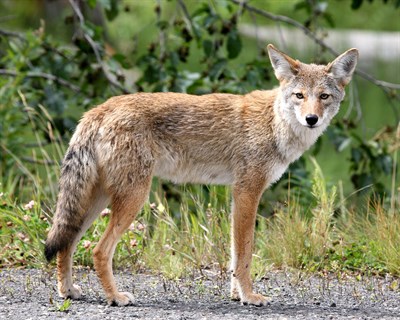
Image Source: vetmed.tamu.edu
The Legality of Owning a Coyote
What are the laws about owning a coyote?
The legality of owning a coyote varies dramatically depending on your location. Federal, state, and local laws often prohibit or severely restrict the possession of wild animals, including coyotes. These laws are in place for a multitude of reasons, primarily concerning public safety and animal welfare.
- Federal Laws: In the United States, there are no overarching federal laws that explicitly ban coyote ownership. However, federal regulations, like the Lacey Act, prohibit the interstate transport of illegally obtained wildlife.
- State Laws: State laws vary greatly. Some states completely ban the private possession of coyotes, considering them inherently dangerous wild animals. Other states might allow ownership with specific permits and strict regulations regarding enclosure size, safety protocols, and liability insurance.
- Local Ordinances: Even within a state that allows coyote ownership, cities and counties might have their own ordinances that further restrict or prohibit it. It’s crucial to research local laws thoroughly.
| Location | Coyote Ownership Legal? | Permit Required? | Notes |
|---|---|---|---|
| Most US States | Often illegal | Rarely | Laws vary widely; check local regulations. Penalties can include fines, animal confiscation, and even jail time. |
| Canada | Generally illegal | No | Provincial laws are stringent. |
| Mexico | Restricted | Yes | Permits are very difficult to obtain. |
Consequences of Illegal Ownership:
Owning a coyote illegally can lead to serious repercussions:
- Fines: Substantial monetary penalties.
- Animal Confiscation: The coyote will be seized by authorities, often without compensation.
- Criminal Charges: Depending on the jurisdiction, criminal charges can range from misdemeanors to felonies.
- Liability: If the coyote causes damage or injury, the owner is held responsible, regardless of the animal’s legal status.
Fathoming the Risks of Coyote Ownership
Why is owning a coyote risky?
Coyotes are not domesticated animals. Even those raised from pups retain their wild instincts and behaviors. This presents significant risks to the owner, their family, the community, and the coyote itself.
Safety Concerns
- Unpredictable Behavior: Coyotes can be unpredictable, especially around children and other pets. Their natural hunting instincts can be triggered, leading to aggressive behavior.
- Bites and Scratches: Even playful coyotes can inflict serious injuries with their sharp teeth and claws.
- Escape Risk: Coyotes are adept at escaping enclosures. A loose coyote poses a threat to livestock, pets, and even humans.
- Disease Transmission: Coyotes can carry diseases like rabies, mange, distemper, and parasites that can be transmitted to humans and other animals.
The Challenges of Coyote Behavior in Captivity
- Destructive Behavior: Coyotes are naturally inclined to dig, chew, and mark their territory. This can lead to extensive damage to property.
- Nocturnal Activity: Coyotes are primarily nocturnal, which can disrupt the owner’s sleep patterns and lifestyle.
- Vocalization: Coyotes communicate through a variety of vocalizations, including howls, yips, and barks. This can be disruptive to neighbors, especially in urban areas.
- Social Needs: Coyotes are social animals and thrive in packs. Keeping a coyote alone can lead to boredom, stress, and behavioral problems.
Coyote Diet and Care: A Complex Undertaking
What does a coyote eat, and how do you care for it?
Providing adequate care for a coyote in captivity is extremely challenging and requires specialized knowledge and resources. It goes far beyond simply providing food and water.
Dietary Needs
- Varied Diet: Coyotes are opportunistic omnivores with very specific nutritional requirements. In the wild, they consume a diet consisting of small mammals, birds, reptiles, insects, fruits, and vegetables. Replicating this diet in captivity requires careful planning and sourcing of appropriate food items.
- Raw Meat: Raw meat should be a significant component of a captive coyote’s diet, but it must be sourced from reputable suppliers to minimize the risk of disease.
- Bone Consumption: Whole bones are essential for dental health and providing essential minerals. Cooked bones should NEVER be offered, as they can splinter and cause internal damage.
- Supplementation: Vitamin and mineral supplementation may be necessary to ensure the coyote receives all the nutrients it needs, particularly if the diet is not perfectly balanced.
- Quantity: The amount of food a coyote needs varies depending on its age, activity level, and overall health. Consulting with a veterinarian experienced in exotic animal care is essential.
Housing Requirements
- Large Enclosure: Coyotes require a large, secure enclosure that allows them to roam and exhibit natural behaviors. The enclosure should be escape-proof, with strong fencing and a secure roof or digging barrier.
- Enrichment: Captive coyotes need environmental enrichment to stimulate their minds and prevent boredom. This can include digging boxes, climbing structures, puzzle feeders, and opportunities for social interaction (if kept in pairs or small groups).
- Shelter: The enclosure should provide adequate shelter from the elements, including shade in the summer and protection from wind and rain in the winter.
- Hygiene: Maintaining a clean and hygienic environment is essential for preventing disease. The enclosure should be cleaned regularly, and waste should be removed promptly.
Veterinary Care
- Exotic Animal Veterinarian: Finding a veterinarian experienced in treating coyotes can be difficult. Regular checkups and vaccinations are essential for maintaining the coyote’s health.
- Parasite Control: Coyotes are susceptible to parasites, both internal and external. Regular deworming and parasite control are necessary.
- Emergency Care: Having a plan for emergency veterinary care is crucial, as coyotes can be prone to injuries and illnesses.
Coyote Temperament as Pets: The Reality
Can coyotes be friendly and affectionate pets?
While some individual coyotes might appear tame or even affectionate, it’s essential to remember that they are inherently wild animals with unpredictable temperaments.
- Lack of Domestication: Unlike dogs, which have been domesticated over thousands of years, coyotes have not undergone significant domestication. This means that their behavior is largely driven by instinct rather than learned behavior.
- Territoriality: Coyotes are highly territorial and can become aggressive towards other animals or even humans who they perceive as a threat to their territory.
- Unpredictability: Even coyotes raised from pups can exhibit unpredictable behavior, especially during breeding season or when stressed.
- Biting: Coyotes have a natural inclination to bite, and even playful bites can cause serious injuries.
- Lack of Trainability: Coyotes are not easily trained, and it can be challenging to modify their natural behaviors.
Urban Coyote Pet Ownership: An Ill-Advised Choice
Is it ever a good idea to keep a coyote as a pet in a city?
Keeping a coyote as a pet in an urban environment is particularly problematic and strongly discouraged.
- Confined Spaces: Urban environments typically offer limited space, making it difficult to provide a coyote with the large enclosure and enrichment it needs.
- Noise Concerns: Coyote vocalizations can be disruptive to neighbors in densely populated areas.
- Public Safety: A loose coyote in an urban area poses a significant risk to public safety.
- Ethical Concerns: Keeping a wild animal in a confined urban environment is often considered unethical, as it deprives the animal of its natural habitat and behaviors.
Ethical Considerations of Coyote Pets
Is it right to keep a coyote as a pet?
The ethics of keeping coyotes as pets are highly debated.
- Animal Welfare: Many argue that keeping a coyote in captivity, regardless of how well it is cared for, is detrimental to its welfare. Coyotes are adapted to living in the wild and exhibiting natural behaviors. Captivity can lead to stress, boredom, and behavioral problems.
- Conservation Concerns: Removing coyotes from the wild can disrupt ecosystems and negatively impact coyote populations.
- Public Safety: As previously discussed, keeping a coyote as a pet poses a risk to public safety.
- Legality: In many jurisdictions, keeping a coyote as a pet is illegal, reflecting societal concerns about animal welfare and public safety.
Alternative Wild Animal Companions
What are some safer, more ethical alternatives to keeping a coyote?
If you are drawn to wild animals but are looking for a more ethical and manageable companion, consider these alternatives:
- Domestic Dogs (Certain Breeds): Some dog breeds, like Huskies, German Shepherds, and Akitas, share physical characteristics and behavioral traits with coyotes but are domesticated and generally more predictable.
- Cats (Certain Breeds): Certain cat breeds, like Bengals and Savannahs, have wild ancestry but are generally more adaptable to domestic life.
- Rats (Domesticated): Often misunderstood, domesticated rats are highly intelligent, social, and affectionate animals that make excellent pets.
- Ferrets: Ferrets are playful and curious animals that can form strong bonds with their owners. However, they require specialized care and are not legal in all areas.
Coyote Rehabilitation and Adoption
Can I adopt a rescued coyote?
Coyote rehabilitation and adoption is a complex issue. While it might seem compassionate to want to rescue and adopt an injured or orphaned coyote, it’s often not the best course of action.
- Rehabilitation Centers: Injured or orphaned coyotes should be taken to licensed wildlife rehabilitation centers. These centers have the expertise and resources to provide appropriate care and, if possible, release the animal back into the wild.
- Non-Releasable Coyotes: In some cases, coyotes cannot be released back into the wild due to severe injuries or prolonged captivity. These animals may be placed in accredited sanctuaries or zoos, where they can live out their lives in a safe and enriching environment.
- Adoption is Rare: Direct adoption into a private home is very rare and typically only occurs under exceptional circumstances with strict oversight from wildlife authorities.
- Ethical Considerations: Even if legal and possible, adopting a coyote raises the same ethical concerns as owning one purchased from a breeder.
Conclusion
Dreaming of a wild companion? The allure of a coyote as a pet is a dangerous illusion. These untamed creatures harbor instincts and complexities that defy domestication, making them unsuitable for captivity and posing significant risks to both human and animal well-being. Their presence in homes disrupts their natural roles, impacting ecosystems and their own species. For those captivated by wildlife, a more ethical and impactful path lies in championing conservation or lending a hand at a local wildlife rescue.
Frequently Asked Questions (FAQ)
- What is the lifespan of a coyote in captivity?
Coyotes in captivity can live for 13 to 15 years, sometimes longer, if provided with proper care. However, this lifespan is often shorter due to the challenges of replicating their natural environment and diet. - Can you train a coyote?
While coyotes can be trained to some extent using positive reinforcement techniques, they are not as trainable as domestic dogs. Their wild instincts and independent nature make them more challenging to train. - Are coyotes dangerous to children?
Coyotes can be dangerous to children, especially small children. Their natural hunting instincts can be triggered, leading to aggressive behavior. Never leave children unsupervised around coyotes. - How much does it cost to care for a coyote?
The cost of caring for a coyote can be substantial. It includes the cost of building and maintaining a secure enclosure, providing a specialized diet, and obtaining veterinary care from an exotic animal veterinarian. These costs can easily run into thousands of dollars per year. - What should I do if I find an injured or orphaned coyote?
If you find an injured or orphaned coyote, contact your local animal control agency or a licensed wildlife rehabilitation center. Do not attempt to handle the animal yourself, as it could be dangerous.

Hi, I’m Mette Morgan—a lifelong pet enthusiast and the heart behind PetNobs.com.. My journey with animals began at an early age, and over the years, I’ve gathered invaluable experiences and insights on everything from everyday pet care to the unique quirks each animal brings to our lives. Here at PetNobs, I share my genuine passion, practical tips, and personal stories to help you create a loving, well-informed environment for your furry, feathered, or scaled friends. Welcome to my little corner of the pet world—it’s a joy to have you here!