Can you have a pet shark? The short answer is: it’s complicated. While shark ownership isn’t outright illegal in many places, stringent regulations, demanding shark care requirements, and profound ethical considerations make keeping sharks as pets a venture reserved for very few. This comprehensive guide will explore the pet shark legality, the intricate world of shark tank setup, different types of pet sharks, the staggering cost of owning a shark, shark temperament, and delve into the often-overlooked ethical considerations of pet sharks.
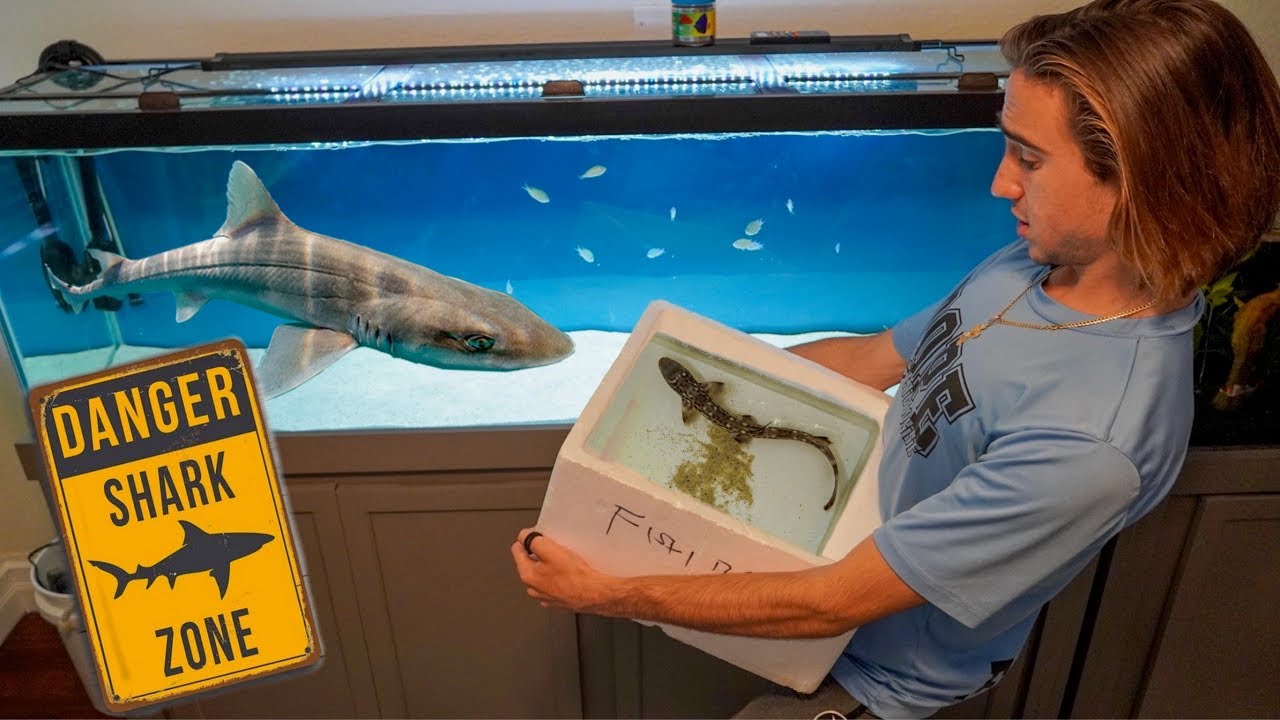
Image Source: i.ytimg.com
The Legal Labyrinth of Shark Ownership
The first, and perhaps most challenging hurdle, is navigating the legal landscape surrounding pet shark legality. Laws vary dramatically from country to country, state to state, and even city to city.
Jurisdictional Variations
- United States: In the US, federal law doesn’t explicitly prohibit owning sharks, but many states have restrictions. Some states ban shark ownership entirely, while others require permits and licenses, often focusing on protecting native species. Check your local and state regulations thoroughly.
- United Kingdom: The UK regulates the trade of many shark species under CITES (Convention on International Trade in Endangered Species). Owning certain species may require special permits.
- Australia: Australia has strict biosecurity laws to protect its marine environment. Importing and owning sharks is heavily regulated, and in many cases, prohibited.
Before even dreaming of a saltwater aquarium for sharks, contact your local wildlife authority, department of fisheries, and any relevant environmental agencies. Ignorance of the law is no excuse, and penalties for illegal shark ownership can be severe, including hefty fines and confiscation of the animal.
Permits and Licensing
Even in areas where shark ownership is technically legal, obtaining the necessary permits can be a significant challenge. Expect the application process to be rigorous, demanding proof of adequate facilities, experience in marine animal care, and a clear understanding of the specific shark care requirements of the species you intend to keep.
| Requirement | Description |
|---|---|
| Facility Inspection | Authorities will inspect your shark tank setup to ensure it meets stringent size, filtration, and safety standards. |
| Experience Verification | You’ll need to demonstrate your knowledge and experience in caring for large marine animals. |
| Veterinary Care Plan | A detailed plan outlining veterinary care, including access to a qualified marine veterinarian. |
| Escape Contingency Plan | A plan for dealing with potential escapes, minimizing the risk to the public and the environment. |
| Species-Specific Knowledge | Demonstrate a comprehensive understanding of the species’ natural history, diet, and behavior. |
Shark Care: A Monumental Undertaking
Assuming you can legally acquire a shark, be prepared for an overwhelming commitment to shark care. These are not goldfish; they are apex predators with complex needs.
The Colossal Shark Tank Setup
A suitable shark tank setup is a monumental undertaking, both in terms of space and expense.
- Tank Size: Forget your standard aquarium. Sharks need enormous tanks to thrive. A minimum size is often thousands of gallons, and larger species require tens of thousands.
- Filtration: Sharks produce a significant amount of waste. A powerful and efficient filtration system is crucial to maintain water quality. This includes mechanical, chemical, and biological filtration.
- Water Quality: Maintaining pristine water quality is paramount. Regular testing and adjustments are essential to keep the water parameters within the required ranges.
- Temperature Control: Maintaining the correct water temperature is critical for the shark’s health.
- Enrichment: Sharks need environmental enrichment to prevent boredom and stress. This could include artificial reefs, rocks, and even interaction with other compatible species (under expert guidance).
Diet and Feeding
Sharks are carnivores with specific dietary requirements.
- Food Sources: Providing a varied and nutritious diet is essential. This typically includes whole fish, squid, and crustaceans.
- Feeding Frequency: Feeding frequency depends on the shark’s species, size, and age.
- Vitamin Supplementation: Supplementation may be necessary to ensure the shark receives all the essential vitamins and minerals.
Veterinary Care
Finding a veterinarian experienced in treating sharks can be challenging. Marine veterinarians are specialized and may be located far from your location. Be prepared for potentially high veterinary cost of owning a shark due to the specialized nature of the care.
Common Health Issues
- Parasitic Infections: Sharks are susceptible to parasitic infections, both internal and external.
- Bacterial Infections: Water quality issues can lead to bacterial infections.
- Nutritional Deficiencies: Improper diet can result in nutritional deficiencies.
- Trauma: Injuries can occur from tankmates, decorations, or even the tank itself.
Types of Sharks Suitable (Hypothetically) for Captivity
While keeping sharks as pets is discouraged, some species are slightly more adaptable to captivity than others. However, even these present significant challenges.
| Species | Size (Adult) | Temperament | Tank Size (Minimum) | Notes |
|---|---|---|---|---|
| Bamboo Shark | 3-4 feet | Relatively Docile | 180 Gallons | Still requires specialized care and a large tank. Nocturnal. |
| Epaulette Shark | 2-3 feet | Relatively Docile | 180 Gallons | Can tolerate lower oxygen levels. Nocturnal. |
| Coral Catshark | 2-3 feet | Relatively Docile | 180 Gallons | Nocturnal. Requires a well-established reef environment. |
Important Considerations:
- Growth Rate: Even small sharks grow quickly. Consider the adult size before acquiring any shark.
- Activity Level: Active sharks need larger tanks than sedentary ones.
- Compatibility: Not all sharks are compatible with other species. Research carefully before introducing any tankmates.
It’s crucial to remember that even the “easier” species demand specialized care and a significant financial investment.
The Staggering Cost of Owning a Shark
The cost of owning a shark extends far beyond the initial purchase price. Be prepared for a substantial financial commitment.
Initial Investment
- Tank and Equipment: The initial shark tank setup alone can cost tens of thousands of dollars, including the tank itself, filtration system, pumps, heaters, lighting, and decorations.
- Shark Purchase: Shark prices vary depending on the species, size, and availability. Expect to pay hundreds to thousands of dollars for a single shark.
Recurring Expenses
- Food: Feeding a shark can be expensive, especially if you’re providing a high-quality diet of fresh seafood.
- Electricity: Running a large tank with powerful filtration and lighting systems consumes a significant amount of electricity.
- Water: Regularly changing the water in a large tank can result in a substantial water bill.
- Maintenance: Regular maintenance, including filter cleaning, water testing, and equipment repairs, is essential.
- Veterinary Care: Veterinary bills for sharks can be very expensive due to the specialized nature of the care.
- Salt: Marine tanks require regular addition of high-quality marine salt, which is another ongoing expense.
Shark Temperament: More Than Just Jaws
Shark temperament varies greatly depending on the species. While some sharks are relatively docile, others can be aggressive and unpredictable.
Species-Specific Differences
- Docile Species: Bamboo sharks and epaulette sharks are generally considered to have docile temperaments, but they can still bite if threatened.
- Aggressive Species: Larger, more active sharks, such as reef sharks, can be more aggressive and require extreme caution.
General Guidelines
- Respect: Never underestimate a shark’s power. Always treat them with respect and caution.
- Observation: Spend time observing your shark’s behavior to learn its individual personality and identify any potential problems.
- Avoid Hand-Feeding: Hand-feeding can create a dangerous association between your hand and food.
- Secure Tank: Ensure the tank is securely covered to prevent escapes, which could be dangerous for both the shark and the people around it.
Ethical Considerations of Pet Sharks: A Moral Quandary
The ethical considerations of pet sharks are paramount and often overlooked. Keeping a large, wild animal in captivity raises serious ethical questions.
Animal Welfare
- Space Constraints: Even the largest home aquariums are significantly smaller than a shark’s natural habitat. This can lead to stress, boredom, and a reduced quality of life.
- Natural Behaviors: Captivity can restrict a shark’s ability to engage in natural behaviors, such as hunting, exploring, and social interaction.
- Stress: The artificial environment of a tank can be stressful for sharks, leading to health problems and behavioral issues.
Conservation
- Sourcing: Sharks are often sourced from the wild, which can impact wild populations, especially if the species is already threatened.
- Mortality: Sharks often have high mortality rates in captivity, indicating that current husbandry practices are not always adequate.
Public Safety
- Escape Risk: Even with precautions, there’s always a risk of a shark escaping, which could pose a danger to the public.
- Liability: Owning a potentially dangerous animal can create significant liability issues.
Is it Ethical?
Before acquiring a shark, ask yourself:
- Am I truly able to provide for this animal’s complex needs?
- Is it ethical to confine a wild animal to a tank for my own enjoyment?
- What impact will my decision have on wild shark populations?
In most cases, the ethical considerations weigh heavily against keeping sharks as pets. Supporting conservation efforts and responsible ecotourism are often better ways to appreciate these magnificent creatures.
Alternatives to Shark Ownership
If you’re fascinated by sharks but concerned about the ethical and practical challenges of shark ownership, consider these alternatives:
- Visit Aquariums: Support reputable aquariums that prioritize conservation and education.
- Ecotourism: Participate in responsible ecotourism activities, such as shark diving or snorkeling, that allow you to observe sharks in their natural habitat.
- Support Conservation Organizations: Donate to organizations dedicated to shark conservation and research.
- Virtual Aquariums: Enjoy the beauty of sharks through virtual reality experiences or online documentaries.
Frequently Asked Questions (FAQ)
Q: What is the easiest shark to keep as a pet?
A: While no shark is truly “easy” to keep, bamboo sharks and epaulette sharks are often cited as the most adaptable to captivity due to their smaller size and relatively docile shark temperament. However, they still require significant space, specialized care, and a substantial financial investment.
Q: Can I keep a shark in a freshwater tank?
A: No. Sharks are saltwater fish and cannot survive in freshwater. A saltwater aquarium for sharks is essential.
Q: How long do sharks live in captivity?
A: The lifespan of a shark in captivity varies depending on the species and the quality of care. Some sharks may live for several years, while others may not survive for more than a few months.
Q: What do sharks eat?
A: Sharks are carnivores and primarily eat fish, squid, crustaceans, and other marine animals.
Q: Is it legal to catch a shark and keep it?
A: In most cases, it is illegal to catch a shark from the wild and keep it as a pet. Many species are protected, and even if it’s legal to catch them, you’ll likely need permits and licenses to possess them.
Q: How big of a tank do I need for a shark?
A: The minimum tank size depends on the species of shark. Even small sharks require tanks of at least 180 gallons, while larger species need tanks of thousands or even tens of thousands of gallons. The shark tank setup is the biggest determiner.
Q: Who is liable if my pet shark escapes and injures someone?
A: You, as the owner, would be liable for any injuries or damages caused by your escaped shark. It’s crucial to have adequate insurance coverage.
Q: Are there any ethical breeders of sharks?
A: The concept of “ethical breeding” of sharks for the pet trade is highly debated. The captive breeding of sharks is still relatively uncommon, and the practice raises ethical concerns about the welfare of the animals and the impact on wild populations. It would be best to avoid contributing to the demand by not buying sharks as pets.
In conclusion, while the idea of owning a pet shark might seem exciting, the reality is far more complex. The legal restrictions, demanding shark care requirements, astronomical cost of owning a shark, and profound ethical considerations of pet sharks make it a venture that is not suitable for most people. Supporting conservation efforts and appreciating sharks in their natural habitat are far more responsible and rewarding options.

Hi, I’m Mette Morgan—a lifelong pet enthusiast and the heart behind PetNobs.com.. My journey with animals began at an early age, and over the years, I’ve gathered invaluable experiences and insights on everything from everyday pet care to the unique quirks each animal brings to our lives. Here at PetNobs, I share my genuine passion, practical tips, and personal stories to help you create a loving, well-informed environment for your furry, feathered, or scaled friends. Welcome to my little corner of the pet world—it’s a joy to have you here!