The direct answer is generally no. Can I have a seal as a pet? The vast majority of places around the world prohibit seal ownership for several reasons, including legal, ethical, and practical considerations. This comprehensive guide delves into the complexities of seal pet legality, seal ownership requirements, the significant seal care requirements, and the important ethical considerations of seal ownership. We will also discuss the cost of owning a seal, seal behavior in captivity, seal diet and health as pets, risks of having a seal as a pet, and the impact of seal conservation and pet ownership.
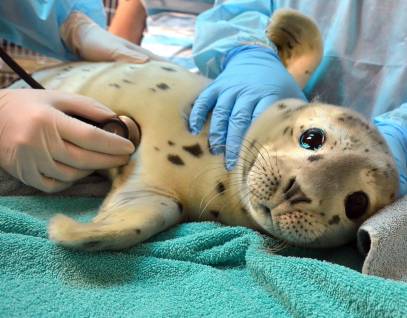
Image Source: www.marinemammalcenter.org
Legal Impediments to Seal Ownership
Across the globe, laws and regulations are designed to protect wild animals, including seals. These laws often reflect concerns about conservation, public safety, and animal welfare.
Global Laws Concerning Seals
Different countries have different laws when it comes to wildlife protection, and seals always fall under the protection category. Here’s a look at some key regulations globally:
-
The United States: The Marine Mammal Protection Act (MMPA) is the primary law governing interactions with marine mammals. This act strictly prohibits the taking (which includes harassing, hunting, capturing, or killing) of marine mammals like seals. Permits are very rarely issued, typically only for scientific research or public display at accredited institutions. Private seal ownership is virtually impossible.
-
Europe: The European Union has strict laws concerning the protection of wildlife, including seals. The Habitats Directive protects many species, including specific seal populations. Member states have their own national laws, but these usually align with EU directives, making it highly unlikely to legally own a seal.
-
Australia: Seals are protected under the Environment Protection and Biodiversity Conservation Act 1999. Approvals for activities that may impact seals are difficult to obtain, and keeping a seal as a pet would not be considered.
State and Local Regulations
Even if a country might allow it, chances are local laws prohibit keeping seals as pets. Always check both national and local laws.
Grasping Seal Ownership Requirements
If, against all odds, you find yourself in a jurisdiction where seal ownership is theoretically possible, the requirements are monumental. This is more likely to apply to a rescue facility than a private individual.
Permits and Licensing
The process of getting permission to own a seal would be long and hard. You would need to get the following permits:
-
Federal Permits: In countries like the United States, a federal permit under the MMPA would be required. This requires proving that the seal pet legality fits the act, which is difficult, as it would have to fall under the exception of scientific research or public display at accredited institutions.
-
State/Local Permits: You would also have to get permission from your state and local government. You would need to make sure your facilities adhere to local standards.
Facility Standards
A suitable habitat for a seal is complex and expensive. Here’s what’s needed:
-
Pool Size: Seals need lots of space to swim and play. The pool needs to be big and deep.
-
Water Quality: The water needs to be clean and filtered. You can’t just use tap water; you need a system to keep it right.
-
Land Area: Seals also need a dry place to rest and bask in the sun.
-
Temperature Control: You may need to control the water and air temperature.
-
Enrichment: Seals are smart, so they need activities to keep them busy.
Expertise and Staffing
Caring for a seal requires specialized knowledge.
-
Veterinary Care: You’ll need a vet who knows about marine mammals. Seals need regular check-ups and vaccinations.
-
Nutrition: Seals need a special diet. You need to know what to feed them and how much.
-
Behavioral Enrichment: You need to understand seal behavior to keep them happy and healthy.
Seal Care Necessities: A Demanding Undertaking
Even for zoos and aquariums, seal care requirements are demanding. For a private individual, they are nearly impossible to meet.
Dietary Needs
- Natural Diet: Seals in the wild eat fish, squid, and shellfish.
- Captive Diet: In captivity, they need the same type of food. It must be fresh and of high quality.
- Quantity: Adult seals eat a lot, sometimes several kilograms of food each day.
- Supplements: They might need vitamins and minerals added to their diet.
Health Management
- Regular Check-ups: Seals need regular vet check-ups.
- Vaccinations: Seals need vaccinations to protect them from diseases.
- Parasite Control: They also need treatment for parasites.
- Common Health Issues: Seals can get sick from things like pneumonia and skin problems.
- Dental Care: Seals need dental care, just like people do.
Environmental Enrichment
- Pool Design: The pool should have different depths and features.
- Toys and Activities: Seals need toys and activities to keep them interested.
- Social Interaction: Seals are social animals. If possible, they should live with other seals.
- Training: Training can also help keep them mentally stimulated.
Fathoming Seal Behavior in Captivity
Seals are wild animals, and their behavior in captivity can be different from their behavior in the wild. Seal behavior in captivity can be affected by the size of their enclosure, the amount of social interaction they have, and the enrichment activities they get.
Stress and Stereotypies
- Signs of Stress: Seals that are stressed might pace, rock, or bite at their enclosure.
- Stereotypical Behaviors: These are repetitive behaviors that have no purpose. They are often a sign of boredom or stress.
- Management: Reducing stress and providing enrichment can help.
Social Dynamics
- Natural Social Structure: Seals in the wild live in groups.
- Captive Social Groups: If you have more than one seal, you need to watch how they interact.
- Aggression: Seals can be aggressive to each other, especially during breeding season.
Human Interaction
- Training: Seals can be trained to do tricks or cooperate with medical procedures.
- Bonding: Seals can bond with their keepers, but it’s important to remember they are still wild animals.
- Safety: Always be careful around seals. They can bite or scratch.
Ethical Considerations of Seal Ownership
Beyond the legal and practical issues, there are significant ethical considerations of seal ownership. Is it right to keep a wild animal in captivity for personal enjoyment?
Animal Welfare
- Natural Needs: Seals have natural needs that are hard to meet in captivity.
- Quality of Life: Is a seal’s life better in captivity or in the wild?
- Enrichment: Even with enrichment, a captive environment can never fully replicate the wild.
Conservation Impact
- Removing Seals from the Wild: Taking seals from the wild can hurt their populations.
- Breeding in Captivity: Captive breeding programs can help, but they are not always successful.
- Education: Zoos and aquariums can teach people about seals, but is this enough to justify keeping them in captivity?
Public Safety
- Bites and Scratches: Seals can bite or scratch people.
- Zoonotic Diseases: Seals can carry diseases that can spread to humans.
- Liability: If a seal hurts someone, you could be held liable.
Deciphering the Cost of Owning a Seal
The cost of owning a seal is astronomically high. It’s not just the initial cost of acquiring a seal, but the ongoing expenses.
Initial Investment
- Acquisition Costs: Obtaining a seal, if even possible legally, would involve significant costs.
- Facility Construction: Building a suitable habitat is expensive.
- Equipment: You’ll need to buy equipment like filters, pumps, and feeding tools.
Recurring Expenses
- Food Costs: Feeding a seal is expensive.
- Veterinary Care: Vet bills can be high.
- Water and Electricity: You’ll need to pay for water and electricity to keep the pool clean and at the right temperature.
- Staffing: You might need to hire people to help care for the seal.
Unexpected Costs
- Repairs: Equipment can break down, and you’ll need to pay for repairs.
- Emergencies: You might need to pay for emergency vet care.
- Liability: If a seal hurts someone, you could be sued.
| Expense | Estimated Cost | Frequency | Notes |
|---|---|---|---|
| Facility Construction | $500,000 – $1,000,000 | One-time | Includes pool, filtration system, land area, and climate control |
| Seal Acquisition | $5,000 – $50,000+ | One-time | This assumes legal acquisition from a rescue or accredited facility; wild capture is illegal. |
| Food | $10,000 – $20,000/year | Annually | High-quality fish, squid, and supplements |
| Veterinary Care | $1,000 – $5,000/year | Annually | Includes routine check-ups, vaccinations, and potential emergency care |
| Water & Electricity | $2,000 – $10,000/year | Annually | Depends on pool size and climate control needs |
| Staffing | $50,000 – $100,000/year | Annually | Salaries for trained keepers and veterinary staff |
| Repairs & Maintenance | $1,000 – $5,000/year | Annually | Maintenance of filtration systems, pool infrastructure, and climate control equipment |
| Total Estimated Cost | $569,000 – $1,180,000+ (Year 1), $64,000 – $140,000/year (Ongoing) | Excluding unexpected costs such as legal fees, major health crises, or significant facility repairs. |
Risks of Having a Seal as a Pet
The risks of having a seal as a pet extend beyond just the financial burden. These risks concern both the seal and the owner.
Health Risks
- Zoonotic Diseases: Seals can carry diseases that can spread to humans.
- Bites and Scratches: Seals can bite and scratch, causing serious injuries.
- Allergies: Some people are allergic to seals.
Safety Risks
- Aggression: Seals can be aggressive, especially during breeding season.
- Escape: Seals can escape from their enclosures.
- Drowning: There is always a risk of drowning in a pool.
Legal Risks
- Fines and Penalties: You could be fined or even jailed for violating laws protecting seals.
- Lawsuits: If a seal hurts someone, you could be sued.
- Seizure: The government could seize the seal.
Seal Conservation and Pet Ownership
Seal conservation and pet ownership are often at odds.
Impact on Wild Populations
- Removal from the Wild: Taking seals from the wild hurts their populations.
- Disturbance: Human activities can disturb seals in their natural habitats.
- Pollution: Pollution can harm seals and their food sources.
Supporting Conservation Efforts
- Donations: You can donate to organizations that protect seals.
- Education: You can educate others about the importance of seal conservation.
- Responsible Tourism: When visiting seal habitats, be respectful and follow guidelines.
Alternatives to Seal Ownership
- Visiting Zoos and Aquariums: Zoos and aquariums can teach you about seals.
- Supporting Rescue Organizations: You can volunteer or donate to seal rescue organizations.
- Learning About Seals: You can read books and watch documentaries about seals.
FAQ About Seal Ownership
-
What is the Marine Mammal Protection Act? The Marine Mammal Protection Act (MMPA) is a U.S. law that protects marine mammals like seals. It makes it illegal to harass, hunt, capture, or kill them.
-
Can I rescue a seal pup and keep it? No, you cannot legally keep a rescued seal pup. You should contact a local marine mammal rescue organization. They will take care of the seal pup and release it back into the wild when it’s ready.
-
Who is responsible for enforcing seal protection laws? Government agencies like the National Oceanic and Atmospheric Administration (NOAA) are responsible for enforcing seal protection laws.
-
What is the best way to help seals? The best way to help seals is to support conservation efforts, reduce pollution, and avoid disturbing them in their natural habitats.
-
What are the ethical considerations of keeping any wild animal as a pet? It is important to think about whether a wild animal can have its needs met in a domestic environment. Also, removing an animal from its natural environment impacts its health and natural populations.
In conclusion, while the idea of owning a seal might seem appealing, the legal, ethical, practical, and financial realities make it an unsuitable and irresponsible choice for nearly everyone. Supporting conservation efforts and enjoying seals in their natural habitats or at accredited facilities are far better options.

Hi, I’m Mette Morgan—a lifelong pet enthusiast and the heart behind PetNobs.com.. My journey with animals began at an early age, and over the years, I’ve gathered invaluable experiences and insights on everything from everyday pet care to the unique quirks each animal brings to our lives. Here at PetNobs, I share my genuine passion, practical tips, and personal stories to help you create a loving, well-informed environment for your furry, feathered, or scaled friends. Welcome to my little corner of the pet world—it’s a joy to have you here!