Can you own a pet raccoon? The answer is complicated and varies greatly depending on where you live. Raccoon ownership legality is not uniform across the United States or even within individual states. This article explores the legal landscape, the challenges of raccoon pet care, and everything else you need to know before considering bringing a raccoon into your home.
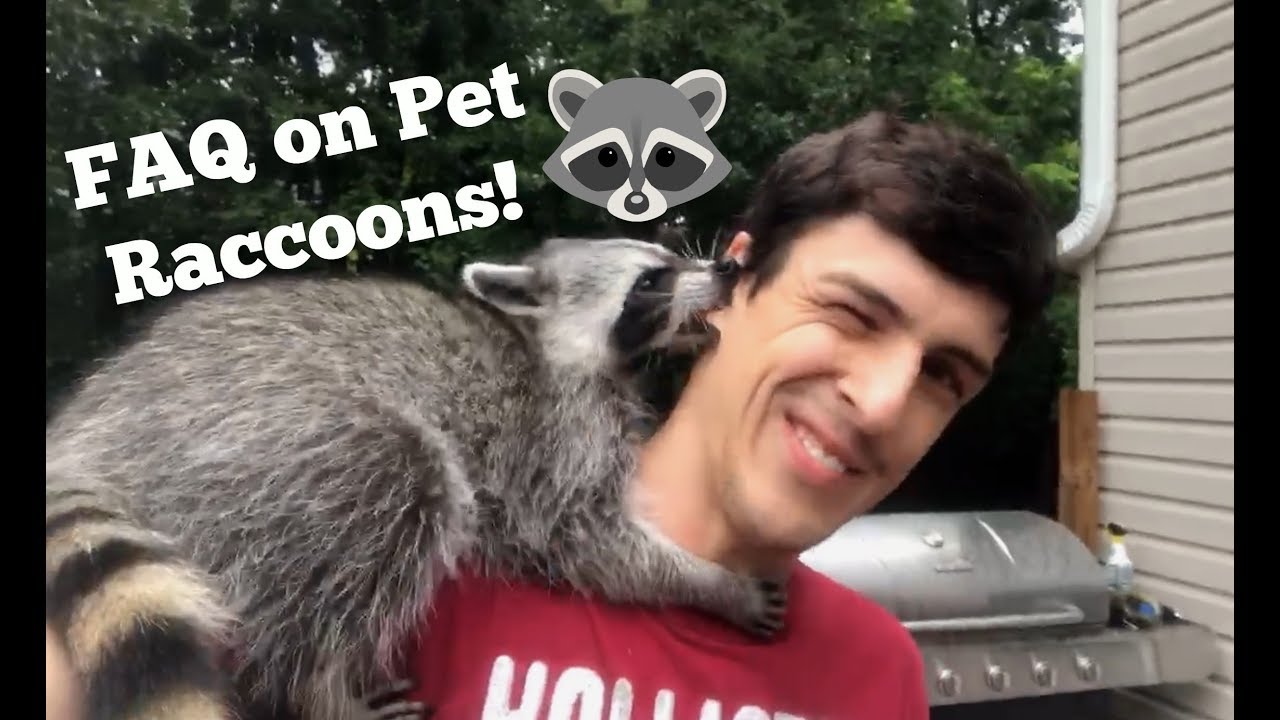
Image Source: i.ytimg.com
Raccoon Pet Laws: A State-by-State Breakdown
Before even thinking about raising a raccoon, you must investigate raccoon pet laws in your specific location. Laws regulating exotic or wild animal ownership are constantly evolving.
- Complete Bans: Many states have outright bans on owning raccoons as pets. This means it is illegal to possess one, regardless of where it came from.
- Permit Requirements: Some states allow raccoon ownership, but only with a permit. Obtaining a permit might involve demonstrating specialized knowledge of raccoon pet care, secure housing, and a valid reason for wanting to own one.
- Unregulated States: A handful of states have no specific laws addressing raccoon ownership. However, even in these states, local ordinances or homeowner’s association rules might prohibit them.
- Quarantine Laws: Always check quarantine laws related to raccoons in your state. These laws could impact moving a raccoon across state lines or importing one.
Why the Variations?
The legal landscape reflects concerns about public health (specifically rabies), the potential for damage to property and the environment, and animal welfare. Many wildlife agencies also fear that pet raccoons might be released into the wild, creating problems for native raccoon populations.
Consequences of Illegal Ownership
Owning a raccoon where it is prohibited can lead to severe penalties, including fines, confiscation of the animal, and even legal charges. You could also be liable for any damage or injuries caused by the raccoon.
Raccoon as a Pet Pros and Cons: A Balanced View
Thinking of owning a pet raccoon? Here’s a look at the positives and negatives.
Potential Pros:
- Intelligence and Playfulness: Raccoons are incredibly intelligent and can be very playful, offering entertainment and companionship.
- Unique Bond: Some owners report forming a strong bond with their raccoons, similar to that with a dog or cat.
- Trainability: Raccoons can be trained to perform certain tasks and tricks, but this requires patience and consistency.
Significant Cons:
- Destructive Behavior: Raccoons have an insatiable curiosity and dexterous paws, making them prone to destructive behavior. They can easily destroy furniture, wiring, and other household items.
- Unpredictable Temperament: While some raccoons are affectionate, their raccoon pet temperament can be unpredictable, especially during breeding season. They can bite or scratch if they feel threatened.
- Messy Habits: Raccoons are not naturally clean animals. They have a tendency to “wash” their food, which can create a mess, and they are difficult to house-train completely.
- Veterinary Care: Finding a veterinarian experienced in treating raccoons can be challenging. Regular vaccinations and checkups are crucial.
- Dietary Needs: Meeting a raccoon’s nutritional needs requires a specialized diet that is often difficult and expensive to obtain.
- Zoonotic Diseases: Raccoons can carry diseases that are transmissible to humans, including rabies, raccoon roundworm, and leptospirosis.
- Long Lifespan: Raccoons can live for 10-15 years in captivity, representing a long-term commitment.
| Factor | Pros | Cons |
|---|---|---|
| Temperament | Intelligent, playful, can be affectionate | Unpredictable, can be aggressive, prone to biting and scratching |
| Destructive Behavior | Can be trained | Highly destructive to property, inquisitive nature leads to damage |
| Hygiene | Can be somewhat litterbox trained | Naturally messy, “washing” behavior creates messes |
| Health | Can be vaccinated and treated | Limited veterinary care options, prone to zoonotic diseases (rabies, roundworm), require specialized diet |
| Commitment | Can form strong bond | Long lifespan (10-15 years), significant financial and time commitment, legal restrictions |
Raising a Raccoon: A Detailed Guide to Raccoon Pet Care
If you live in a place where raccoon ownership is legal and have thoroughly considered the pros and cons, here’s what you need to know about raising a raccoon.
Secure Enclosure
Raccoons require a large, secure enclosure. They are adept at escaping, so the enclosure must be sturdy and escape-proof.
- Outdoor Enclosure: Ideally, the enclosure should be outdoors, providing access to fresh air and sunlight. It should have a solid floor to prevent digging out and a covered top to prevent climbing out.
- Size: The enclosure should be large enough for the raccoon to move around freely, climb, and explore. A minimum of 100 square feet is recommended.
- Enrichment: Provide plenty of enrichment items, such as climbing structures, branches, toys, and hiding places.
Dietary Needs
A raccoon’s diet should mimic what it would eat in the wild: fruits, vegetables, nuts, insects, and small amounts of meat.
- Commercial Raccoon Food: Some commercial raccoon foods are available, but they should be supplemented with fresh foods.
- Fruits and Vegetables: Offer a variety of fruits and vegetables, such as apples, bananas, grapes, berries, sweet potatoes, and carrots.
- Protein: Provide protein sources such as cooked chicken, fish, eggs, and insects.
- Avoid: Avoid feeding raccoons dog or cat food, as it is not nutritionally appropriate. Also, avoid sugary treats and processed foods.
- Fresh Water: Fresh water should always be available.
Health Care
Raccoons require regular veterinary care to prevent and treat diseases.
- Vaccinations: Raccoons should be vaccinated against rabies, distemper, and other common diseases.
- Parasite Control: Regular deworming is essential to prevent raccoon roundworm and other parasites.
- Dental Care: Raccoons are prone to dental problems, so regular dental checkups are important.
- Spaying/Neutering: Spaying or neutering is recommended to prevent unwanted breeding and reduce aggression.
Enrichment and Socialization
Raccoons are intelligent animals that need plenty of mental and physical stimulation.
- Toys: Provide a variety of toys, such as puzzle toys, balls, and chew toys.
- Climbing Structures: Raccoons love to climb, so provide climbing structures such as trees, branches, and ladders.
- Socialization: Raccoons can be socialized with humans and other animals, but this requires patience and consistency.
Raccoon Pet Safety: Protecting Your Home and Family
Keeping a pet raccoon requires constant vigilance to protect your home, family, and the raccoon itself.
- Child Safety: Never leave a raccoon unsupervised with children.
- Pet Safety: Keep raccoons separate from other pets, especially small animals.
- Home Security: Raccoon-proof your home by securing cabinets, drawers, and other storage areas.
- Electrical Safety: Protect electrical cords and outlets from raccoons.
- Outdoor Hazards: Be aware of outdoor hazards, such as poisonous plants, pesticides, and predators.
Raccoon Breeding for Pets: An Ethical Dilemma
Raccoon breeding for pets raises significant ethical concerns.
- Overpopulation: Breeding contributes to the overpopulation of raccoons, making it more difficult to find homes for them.
- Genetic Problems: Breeding can lead to genetic problems and health issues in raccoons.
- Animal Welfare: Breeding can be stressful and harmful to raccoons.
- Ethical Considerations: Many animal welfare organizations oppose raccoon breeding for pets due to the potential for suffering and neglect.
Deciphering Raccoon Pet Behavior: What to Expect
Before getting a raccoon, it’s crucial to learn about typical raccoon pet behavior.
- Nocturnal Activity: Raccoons are primarily nocturnal, meaning they are most active at night. This can be disruptive to your sleep schedule.
- Destructive Tendencies: As mentioned earlier, raccoons are naturally curious and destructive. They will explore everything with their paws and teeth, often leading to damage.
- Independent Nature: While some raccoons can be affectionate, they are generally more independent than dogs or cats.
- Vocalization: Raccoons communicate through a variety of vocalizations, including chattering, hissing, and growling.
- Seasonal Changes: Raccoon behavior can change with the seasons. They may become more active during the spring and summer and less active during the winter.
Buying a Raccoon: Where to Find One (and Why You Shouldn’t)
While it’s generally not recommended to buy a raccoon, it’s important to be aware of the sources.
- Breeders: Some breeders specialize in raising raccoons for pets. However, it’s crucial to thoroughly research any breeder before purchasing a raccoon.
- Rescue Organizations: Some wildlife rescue organizations occasionally have raccoons available for adoption.
- Illegal Sources: Avoid purchasing raccoons from illegal sources, such as individuals who have captured them from the wild.
Why Adoption is Preferable (If Legal)
If raccoon ownership is legal in your area and you’re absolutely certain you can provide proper care, adoption from a reputable rescue organization is far preferable to buying from a breeder. Rescue animals often have unknown backgrounds and may require extra care, but adopting helps reduce overpopulation and provides a home for an animal in need.
Fathoming the Realities: Is a Pet Raccoon Right for You?
Owning a pet raccoon is a significant commitment that should not be taken lightly. Raccoon ownership legality restrictions, demanding care requirements, and unpredictable behavior make them unsuitable pets for most people. If you’re considering getting a raccoon, carefully weigh the pros and cons and thoroughly research the laws and regulations in your area. Remember, prioritizing the animal’s well-being and responsible pet ownership should be your guiding principles.
Frequently Asked Questions (FAQ)
- What is the lifespan of a pet raccoon? In captivity, raccoons can live for 10-15 years.
- Can I potty train a raccoon? Raccoons can be somewhat litterbox trained, but they are not as reliable as cats.
- What do raccoons eat? Raccoons are omnivores and eat a variety of foods, including fruits, vegetables, nuts, insects, and small amounts of meat.
- Are raccoons dangerous? Raccoons can be dangerous, especially if they feel threatened. They can bite or scratch and carry diseases that are transmissible to humans.
- How much does it cost to own a raccoon? The cost of owning a raccoon can vary, but it is generally expensive. You will need to factor in the cost of the enclosure, food, veterinary care, and enrichment items.
- Can I release a pet raccoon into the wild? No. Releasing a pet raccoon into the wild is illegal and harmful to the animal and the environment. Pet raccoons lack the survival skills to thrive in the wild and can disrupt native raccoon populations.
- What if I can no longer care for my pet raccoon? Contact a wildlife rescue organization or humane society. Never release the raccoon into the wild.

Hi, I’m Mette Morgan—a lifelong pet enthusiast and the heart behind PetNobs.com.. My journey with animals began at an early age, and over the years, I’ve gathered invaluable experiences and insights on everything from everyday pet care to the unique quirks each animal brings to our lives. Here at PetNobs, I share my genuine passion, practical tips, and personal stories to help you create a loving, well-informed environment for your furry, feathered, or scaled friends. Welcome to my little corner of the pet world—it’s a joy to have you here!