The short answer is no, you generally cannot make a groundhog a pet. While the idea of keeping a groundhog, also known as a woodchuck, as a companion might seem appealing, there are many factors to consider, including legality, care requirements, and the animal’s natural behavior. This article will delve into these aspects to help you understand why keeping a groundhog as a pet is usually not a good idea.
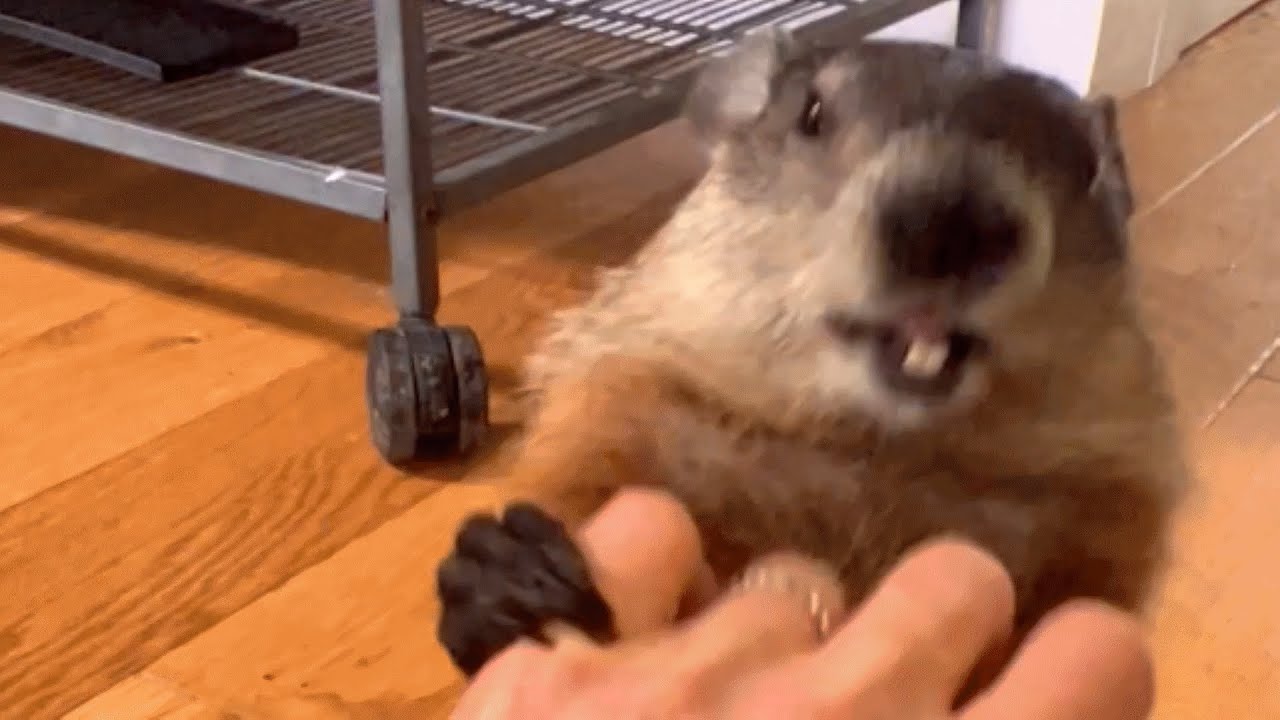
Image Source: i.ytimg.com
Groundhog Legality: Navigating the Laws
Before even considering keeping a groundhog, it’s crucial to understand the laws in your area. Groundhog legality varies significantly by state, province, and even municipality.
- State and Local Regulations: Many places have laws prohibiting the possession of wild animals, and groundhogs are almost always classified as such. Breaking these laws can lead to hefty fines, confiscation of the animal, and even legal charges. Contact your local Department of Natural Resources or animal control agency to determine the specific regulations in your area.
- Permits and Licenses: In some rare instances, it might be possible to obtain a permit to keep a groundhog, particularly for educational or research purposes. However, these permits are difficult to obtain and come with strict requirements regarding groundhog care, enclosure size, and veterinary care.
- Release is Not an Option: Even if you acquire a groundhog legally, releasing it back into the wild is usually illegal and highly unethical. A captive-raised groundhog is unlikely to survive in the wild due to a lack of survival skills.
Grasping Groundhog Behavior: Why They Aren’t Ideal Pets
Groundhogs are wild animals with specific instincts and behaviors that make them unsuitable for domestication.
- Burrowing Instincts: A key part of groundhog behavior is burrowing. They are natural diggers, and without ample opportunity to satisfy this instinct, they can become destructive and stressed. Providing an appropriate groundhog enclosure that allows for digging is incredibly challenging.
- Hibernation: Groundhogs are true hibernators, meaning they enter a deep sleep during the winter months. This hibernation period requires specific environmental conditions that can be difficult to replicate in a domestic setting. Interrupting their hibernation can be detrimental to their health.
- Solitary Nature: Groundhogs are generally solitary animals, except during mating season. They don’t crave companionship and may become stressed or aggressive if forced to interact with humans or other animals constantly.
- Defense Mechanisms: When threatened, groundhogs can bite, scratch, and use their sharp claws for defense. Their bites can be painful and carry the risk of infection.
Groundhog Care: A Challenging Commitment
Providing proper groundhog care is significantly more demanding than caring for a domesticated pet.
Groundhog Enclosure: Recreating the Wild
Creating a suitable groundhog enclosure is one of the biggest challenges of keeping a groundhog.
- Size Matters: The enclosure needs to be very large to allow for digging and exploration. Ideally, it should include both an above-ground area and an underground burrow system.
- Security: The enclosure must be escape-proof. Groundhogs are strong and persistent diggers, so the enclosure needs to be constructed with sturdy materials that extend deep into the ground.
- Environmental Enrichment: The enclosure should be enriched with natural elements like logs, rocks, and vegetation to provide stimulation and encourage natural behaviors.
Groundhog Diet: Feeding a Wild Animal
A proper groundhog diet is essential for maintaining their health and well-being.
- Herbivorous Needs: Groundhogs are primarily herbivores, meaning their diet consists mainly of plants. Their natural diet includes grasses, leaves, fruits, and vegetables.
- Nutritional Balance: It’s crucial to provide a balanced diet to meet their nutritional needs. This may involve supplementing their diet with commercially available rodent or herbivore food.
- Avoiding Harmful Foods: Some foods, such as chocolate, onions, and garlic, are toxic to groundhogs and should be avoided.
- Fresh Water: Groundhogs need access to fresh, clean water at all times.
Example Groundhog Diet:
| Food Group | Examples | Percentage of Diet |
|---|---|---|
| Grasses | Timothy hay, orchard grass, fescue | 40% |
| Vegetables | Leafy greens (lettuce, spinach), carrots | 30% |
| Fruits | Apples, berries, melons | 20% |
| Supplements | Rodent or herbivore pellets | 10% |
Groundhog Health: Veterinary Care
Finding a veterinarian experienced in treating groundhogs can be difficult.
- Specialized Care: Most veterinarians are not trained to treat wild animals like groundhogs. You’ll need to find a vet with expertise in exotic animal medicine.
- Common Health Problems: Groundhogs are susceptible to various health problems, including parasites, respiratory infections, and dental issues.
- Preventative Care: Regular checkups and preventative care, such as vaccinations and parasite control, are essential for maintaining their health.
Fathoming Groundhog Temperament: They Aren’t Cuddly
Understanding their natural disposition can help you assess whether you are equipped to manage it.
Groundhog Temperament
- Generally Solitary: They prefer their own company. Interaction with humans can be stressful.
- Defensive: They can be defensive and may bite or scratch if they feel threatened.
- Not Affectionate: They don’t typically display affection towards humans.
- Unpredictable: Groundhog behavior can be unpredictable, especially during mating season.
Raising a Groundhog: A Wild Animal, Not a Pet
Raising a groundhog from a young age does not make it a domesticated pet.
- Wild Instincts Remain: Even if raised in captivity, groundhogs retain their wild instincts and behaviors.
- Potential for Aggression: Hand-raised groundhogs may become aggressive as they mature, especially during mating season.
- Ethical Concerns: Removing a groundhog from its natural environment can disrupt its social development and negatively impact its well-being.
What is the ethical cost of keeping a Groundhog as a Pet?
The ethical implications of keeping a groundhog as a pet are significant. Taking an animal from its natural habitat and confining it to a domestic environment can be detrimental to its physical and psychological well-being. Wild animals have specific needs and behaviors that are difficult, if not impossible, to replicate in captivity.
- Loss of Natural Behaviors: Captivity deprives groundhogs of the opportunity to engage in natural behaviors such as burrowing, foraging, and socializing with other groundhogs.
- Stress and Anxiety: Confinement can cause stress, anxiety, and boredom, leading to abnormal behaviors such as pacing, self-harm, and aggression.
- Reduced Quality of Life: Even with the best possible care, a captive groundhog’s quality of life is likely to be lower than that of a wild groundhog.
Can I rehabilitate an injured Groundhog and then keep it?
No, even if you rescue and rehabilitate an injured groundhog, you should not keep it as a pet. Your goal should be to release it back into the wild once it has recovered.
- Licensing Requirements: Wildlife rehabilitation often requires specific licenses and permits.
- Rehabilitation Focus: The focus of rehabilitation should be on preparing the animal for release back into its natural habitat.
- Preventing Dependence: You should avoid creating a dependence on humans, as this will reduce its chances of survival in the wild.
Who is best suited to care for a Groundhog if not as a Pet?
If keeping a groundhog as a pet is discouraged, who, then, is best suited to care for one? The answer typically lies with licensed wildlife rehabilitators or zoological facilities.
- Wildlife Rehabilitators: These professionals are trained to care for injured or orphaned groundhogs with the goal of releasing them back into the wild.
- Zoos and Sanctuaries: Some zoos and wildlife sanctuaries may provide a suitable environment for groundhogs that cannot be released back into the wild due to permanent injuries or other reasons. These facilities have the resources and expertise to provide specialized care and enrichment.
Frequently Asked Questions (FAQ)
- Is it legal to keep a groundhog as a pet? Generally, no. Laws vary, but most places prohibit keeping wild animals like groundhogs.
- What do groundhogs eat? Groundhogs are primarily herbivores. Their diet includes grasses, vegetables, fruits, and occasionally insects.
- Do groundhogs make good pets? No. They are wild animals with specific needs that are difficult to meet in a domestic setting.
- Can I release a groundhog back into the wild if I can no longer care for it? Releasing a captive-raised groundhog is usually illegal and unethical. It’s unlikely to survive.
- Where can I find a veterinarian to treat a groundhog? You’ll need to find a vet with expertise in exotic animal medicine or wildlife rehabilitation.
- How big of an enclosure does a groundhog need? A groundhog enclosure needs to be very large to allow for digging and exploration. It should include both an above-ground area and an underground burrow system.
- Are groundhogs dangerous? Groundhogs can bite and scratch if they feel threatened.
So, while the allure of a furry groundhog companion might sparkle in your imagination, it’s best to let this idea burrow back into the realm of fantasy. These creatures are built for the wild, possessing instincts and requirements that simply don’t translate to a cozy home environment. Beyond the practical challenges, there’s also the significant hurdle of legality, not to mention the ethical implications of disrupting their natural lives. If your heart aches to connect with these charming rodents, a far more rewarding path lies in championing the vital work of wildlife rescuers and conservationists.

Hi, I’m Mette Morgan—a lifelong pet enthusiast and the heart behind PetNobs.com.. My journey with animals began at an early age, and over the years, I’ve gathered invaluable experiences and insights on everything from everyday pet care to the unique quirks each animal brings to our lives. Here at PetNobs, I share my genuine passion, practical tips, and personal stories to help you create a loving, well-informed environment for your furry, feathered, or scaled friends. Welcome to my little corner of the pet world—it’s a joy to have you here!