How deep to bury a pet? The ideal pet burial depth is at least 3 feet (36 inches) to prevent scavenging and the spread of disease. This depth helps ensure the remains are undisturbed by animals and allows for proper decomposition. This article will cover everything you need to know about safe pet burial practices, including animal burial regulations, backyard pet burial depth guidelines, and how to prevent scavenging animals.
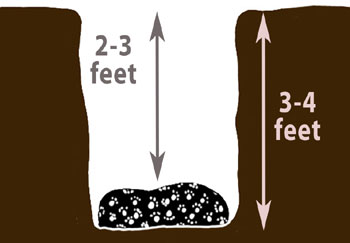
Image Source: www.dfordog.co.uk
Why Pet Burial Depth Matters
The depth at which you bury your pet is crucial for several reasons, with pet burial depth being the primary concern. It directly impacts the environment, wildlife, and public health. A shallow grave invites problems; a deeper grave offers peace of mind.
Controlling the Spread of Disease
One of the main risks of improper pet burial is the potential spread of disease. If your pet died from a contagious illness, burying them too shallowly can allow pathogens to seep into the soil and potentially contaminate groundwater or be exposed by scavenging animals.
Keeping Wildlife Safe
Scavenging animals, like foxes, coyotes, and raccoons, have a keen sense of smell. A shallow grave is easily accessible to them. This can lead to the animal unearthing the remains, posing a health risk to them and potentially spreading the remains around your property or neighborhood.
Complying with Local Laws
Animal burial regulations vary widely by location. Some municipalities prohibit backyard burials altogether, while others have specific requirements regarding minimum depth and location. Failing to comply with these regulations can result in fines or other legal consequences.
Determining Safe Burial Depth for Pets
So, how deep should you dig? The answer isn’t always straightforward.
The 3-Foot Rule
As a general rule, the minimum depth pet burial should be at least 3 feet (36 inches). This depth is usually sufficient to deter most scavenging animals and allows for natural decomposition. It’s a common recommendation across many backyard pet burial depth guidelines.
Considering Your Pet’s Size
While 3 feet is a good starting point, larger pets may require a deeper grave. A Great Dane, for example, will obviously require more depth than a hamster. Adjust the depth accordingly to ensure complete coverage and prevent disturbance.
Soil Type Matters
The type of soil in your yard can also affect the ideal pet burial depth. Sandy soil drains quickly, potentially increasing the risk of contamination if the burial is too shallow. Clay soil, on the other hand, retains moisture and may slow decomposition. Rocky soil might make digging deeper challenging.
| Soil Type | Considerations |
|---|---|
| Sandy | May require slightly deeper burial due to faster drainage. |
| Clay | Ensure proper drainage to prevent waterlogging. |
| Rocky | Consider alternative locations or breaking up rocks. |
Preventing Scavenging Animals
The most critical factor is preventing scavenging animals. A depth of 3 feet is typically effective, but you can take additional measures to deter digging:
- Place heavy objects on top: Cover the grave with large rocks or concrete pavers to prevent animals from digging.
- Use a secure container: Bury your pet in a sturdy wooden box or a pet casket. This adds an extra layer of protection.
- Consider fencing: Install a fence around the burial site to deter animals.
How to Dig a Pet Grave
Digging a pet grave is a physically demanding task, but it’s a labor of love. It’s important to consider how deep to dig pet grave for safety reasons.
Choosing the Right Location
- Check Local Regulations: Before you start digging, check your local animal burial regulations. Some areas may restrict backyard burials.
- Consider Water Sources: Avoid burying your pet near wells, streams, or other water sources to prevent contamination.
- Think About Drainage: Choose a spot with good drainage to avoid waterlogging the grave.
- Accessibility: Pick a location that is easily accessible and won’t be disturbed by future construction or landscaping.
Gathering Your Tools
You’ll need the following tools to dig a pet grave:
- Shovel: A sturdy shovel is essential for digging.
- Pickaxe: A pickaxe may be necessary for breaking up hard or rocky soil.
- Measuring Tape: Use measuring tape to ensure you’re digging to the correct depth.
- Gloves: Protect your hands from blisters and dirt.
- Wheelbarrow: A wheelbarrow will help you remove the excavated soil.
- Marker: Use spray paint or flags to mark the boundaries of the grave.
The Digging Process
- Mark the Area: Use spray paint or flags to mark the dimensions of the grave. Make sure it’s large enough to comfortably accommodate your pet’s remains and any container you’re using.
- Start Digging: Begin digging with the shovel, removing the topsoil first. If you encounter rocks, use the pickaxe to break them up.
- Maintain Straight Walls: As you dig, try to keep the walls of the grave as straight as possible to prevent collapse.
- Check the Depth: Use the measuring tape to periodically check the depth of the grave. Ensure you’re reaching at least 3 feet.
- Prepare the Bottom: Once you’ve reached the desired depth, level the bottom of the grave and remove any loose rocks or debris.
Placing Your Pet in the Grave
- Wrap Your Pet: Wrap your pet in a biodegradable blanket or shroud. Avoid using plastic or synthetic materials, which will not decompose.
- Use a Container (Optional): You can place your pet in a wooden box, pet casket, or other container. This will provide added protection and prevent the remains from being disturbed.
- Say Your Goodbyes: Take a moment to say goodbye to your beloved pet before placing them in the grave.
- Carefully Lower the Remains: Gently lower your pet’s remains into the grave.
Filling the Grave
- Replace the Soil: Begin filling the grave with the excavated soil, packing it down firmly as you go.
- Add a Layer of Protection: You can add a layer of rocks or concrete pavers on top of the grave to deter digging animals.
- Mark the Grave: Place a memorial stone or plant a tree or flowers on top of the grave to mark the spot.
Animal Burial Regulations: What You Need to Know
Before burying your pet, it’s critical to understand animal burial regulations in your area. Ignoring these rules can lead to legal trouble.
Local Ordinances
- Contact Your Local Government: Contact your city or county government to inquire about pet burial regulations. Many municipalities have specific ordinances regarding backyard burials.
- Check with Your Homeowners Association (HOA): If you live in a community with an HOA, check their rules regarding pet burials. Some HOAs prohibit backyard burials altogether.
Pet Cemetery Burial Depth
Pet cemeteries offer a more formal burial option. They typically have specific requirements for pet cemetery burial depth and the types of containers allowed. Contact the pet cemetery for their specific regulations.
Restrictions and Prohibitions
Some areas may prohibit backyard pet burials due to concerns about water contamination or disease spread. If backyard burial is not allowed, you may need to consider alternatives such as cremation or burial in a pet cemetery.
Burying Pet at Home Guidelines
If you’re permitted to bury your pet at home, keep these burying pet at home guidelines in mind:
- Health Considerations: If your pet died from a contagious disease, consult with a veterinarian before burying them at home. They may recommend cremation to prevent the spread of the disease.
- Proper Depth: As mentioned earlier, bury your pet at least 3 feet deep to prevent scavenging animals from disturbing the remains.
- Location: Choose a location that is away from water sources and areas that are prone to flooding.
- Container: Consider using a biodegradable container or wrapping your pet in a biodegradable blanket.
- Memorial: Mark the grave with a memorial stone, plant a tree, or create a garden to honor your pet’s memory.
Alternatives to Backyard Burial
If backyard burial is not an option, consider these alternatives:
Pet Cemeteries
Pet cemeteries offer a formal burial option for your pet. They provide a peaceful and dignified final resting place.
Cremation
Cremation is a common alternative to burial. You can choose to keep your pet’s ashes in an urn or scatter them in a special location.
Rendering
Rendering is a process that converts animal tissue into useful materials. It’s often used for deceased livestock, but some companies offer rendering services for pets.
Veterinary Disposal
Your veterinarian can arrange for the proper disposal of your pet’s remains. This option is often the most convenient, but it may not provide the same level of closure as burial or cremation.
Fathoming Decomposition
Deciphering the process of decomposition can help you make informed decisions about pet burial.
Factors Affecting Decomposition
Several factors influence the rate of decomposition, including:
- Soil Type: Well-drained soil promotes faster decomposition.
- Temperature: Warm temperatures accelerate decomposition.
- Moisture: Adequate moisture is necessary for decomposition to occur.
- Container: Using a biodegradable container will allow for faster decomposition.
What Happens to the Remains
Over time, the soft tissues of your pet’s body will decompose, leaving behind only the bones. The bones will eventually break down as well, returning the minerals to the soil.
The Importance of Biodegradable Materials
Using biodegradable materials, such as a wooden box or a cotton blanket, will help speed up the decomposition process and minimize environmental impact. Avoid using plastic or synthetic materials, which can persist in the soil for many years.
FAQ: Burying Your Pet
Here are some frequently asked questions about pet burial:
What is the best way to bury my pet?
The best way to bury your pet is to choose a location that is away from water sources, dig a grave that is at least 3 feet deep, wrap your pet in a biodegradable blanket or place them in a biodegradable container, and mark the grave with a memorial.
Can I bury my pet in my backyard?
It depends on your local animal burial regulations. Check with your city or county government and your HOA to see if backyard pet burials are allowed in your area.
What is the minimum depth pet burial required?
The minimum depth pet burial is generally 3 feet (36 inches) to prevent scavenging animals from disturbing the remains.
How deep to dig pet grave in rocky soil?
Dig as deep as possible, aiming for at least 3 feet. If you encounter large rocks, try to break them up or choose an alternative location. Consider adding a layer of rocks or concrete pavers on top of the grave to deter digging animals.
What do I do if my pet died of a contagious disease?
Consult with your veterinarian before burying your pet. They may recommend cremation to prevent the spread of the disease.
Is it okay to bury my pet with their collar and toys?
It’s generally okay to bury your pet with their collar and a few small, biodegradable toys. However, avoid burying them with plastic or synthetic items, which will not decompose.
Should I bury my pet in a casket?
Burying your pet in a casket is optional. A casket can provide added protection and prevent the remains from being disturbed, but it’s not necessary. If you choose to use a casket, make sure it’s made of biodegradable materials.
What if I can’t dig a grave that deep?
If you’re unable to dig a grave that is at least 3 feet deep due to rocky soil or other obstacles, consider alternative options such as cremation or burial in a pet cemetery.

Hi, I’m Mette Morgan—a lifelong pet enthusiast and the heart behind PetNobs.com.. My journey with animals began at an early age, and over the years, I’ve gathered invaluable experiences and insights on everything from everyday pet care to the unique quirks each animal brings to our lives. Here at PetNobs, I share my genuine passion, practical tips, and personal stories to help you create a loving, well-informed environment for your furry, feathered, or scaled friends. Welcome to my little corner of the pet world—it’s a joy to have you here!