The question “How much is a monkey for a pet?” can be deceptively simple. While the initial primate pet price might seem like the main expense, the reality is that monkey ownership cost involves significant long-term financial and emotional commitments. Beyond the exotic animal cost, you must consider extensive monkey care expenses, including specialized housing, food, vet care, and enrichment. The legality of owning a monkey also varies widely. This post will break down the true cost of owning a monkey, allowing you to make an informed decision.
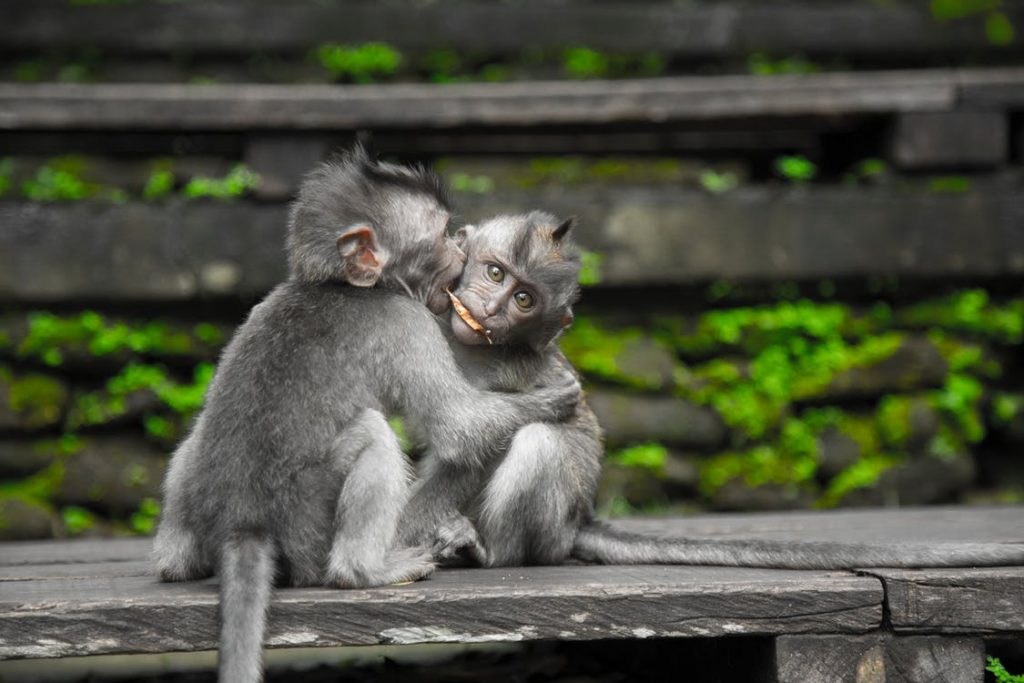
Image Source: blog.allpetsmedical.com
The Initial Purchase: Primate Pet Price
The cost to buy a pet monkey varies greatly depending on the species, age, and breeder. Certain factors can influence the pricing as well:
- Species: Smaller monkey species, such as marmosets or tamarins, are generally less expensive than larger species like capuchins or macaques.
- Age: Infant monkeys are often more expensive than older monkeys. This is because people often want to raise the monkey from a young age.
- Breeder: Reputable breeders who prioritize the health and well-being of their animals will usually charge more.
- Legality: In areas where owning a monkey is legal, but restricted, expect higher prices.
Typical Primate Pet Price Ranges:
| Monkey Species | Approximate Price Range |
|---|---|
| Marmosets | \$4,000 – \$8,000 |
| Tamarins | \$4,000 – \$10,000 |
| Squirrel Monkeys | \$6,000 – \$12,000 |
| Capuchin Monkeys | \$8,000 – \$35,000 |
| Macaque Monkeys | \$6,000 – \$25,000 |
Important Considerations:
- Source: Always purchase from a licensed and reputable breeder. Avoid buying monkeys from online marketplaces or unregulated sources.
- Health: Ensure the monkey has been properly health-screened and comes with all necessary documentation.
- Legality: Research the laws in your state, county, and city regarding monkey ownership.
The Long-Term Expenses: Monkey Care Costs
The initial primate pet price is just the tip of the iceberg when it comes to monkey ownership cost. You must also factor in the substantial ongoing monkey care expenses.
Housing: Monkey Enclosure Cost
Monkeys require secure, spacious, and stimulating enclosures. The enclosure size will depend on the species and the number of monkeys.
- Indoor Enclosures: These can range from modified rooms to custom-built cages.
- Outdoor Enclosures: These offer more space but require careful planning to ensure security and protection from the elements.
- Enrichment: Monkeys need a variety of toys, climbing structures, and other forms of enrichment to prevent boredom and behavioral problems.
Estimated Monkey Enclosure Cost:
- Small Indoor Enclosure: \$1,000 – \$5,000 (including enrichment)
- Large Outdoor Enclosure: \$5,000 – \$20,000+ (depending on size and complexity)
Diet: Cost of Monkey Food
Monkeys have specific dietary needs that must be met to maintain their health and well-being. Their diet should consist of:
- Commercial Monkey Chow: Provides a balanced base diet.
- Fresh Fruits and Vegetables: Offer a variety of nutrients and enrichment.
- Protein Sources: Insects, cooked meats, or other protein supplements.
- Supplements: Vitamin and mineral supplements may be necessary.
Estimated Cost of Monkey Food:
- \$200 – \$800 per month (depending on the species and diet)
Veterinary Care: Cost of Monkey Vet Care
Monkeys require specialized veterinary care from a veterinarian experienced with primates. This includes:
- Regular Checkups: To monitor their health and detect any potential problems.
- Vaccinations: To protect them from infectious diseases.
- Parasite Control: To prevent and treat internal and external parasites.
- Emergency Care: For unexpected illnesses or injuries.
Estimated Cost of Monkey Vet Care:
- Annual Checkups and Vaccinations: \$500 – \$1,500
- Emergency Vet Visits: \$500 – \$5,000+ (depending on the severity of the issue)
- Dental Care: \$500 – \$2,000 (annual or bi-annual cleaning depending on the diet)
Other Expenses
Beyond housing, food, and vet care, there are other monkey care expenses that you need to consider:
- Insurance: Exotic animal insurance can help cover the cost of unexpected medical expenses. The cost of insurance is based on species, age, and state of residency.
- Toys and Enrichment: Monkeys need a constant supply of new toys and activities to keep them entertained.
- Cleaning Supplies: Maintaining a clean and hygienic environment for your monkey requires regular cleaning.
- Professional Care: You may need to hire a professional animal caregiver to help with daily care. Especially if you go out of town or are unable to care for the monkey yourself.
Legality of Owning A Monkey
The legality of owning a monkey varies considerably by location. Before even considering primate pet price or other costs, thoroughly research the laws in your area.
- State Laws: Some states have outright bans on owning primates.
- Local Ordinances: Even if your state allows monkey ownership, your county or city may have its own restrictions.
- Permits and Licenses: Many jurisdictions require permits or licenses to own exotic animals.
Important Considerations:
- Compliance: It is crucial to comply with all applicable laws and regulations.
- Ethical Concerns: Consider the ethical implications of owning a primate as a pet. Monkeys are intelligent and social animals that require specialized care.
Monkey Species as Pets: Which Are Most Common?
While all monkeys have complex needs, some species are more commonly kept as pets than others. Here are some of the most common monkey species as pets:
- Marmosets: Small, social monkeys that require specialized diets and housing.
- Tamarins: Similar to marmosets in size and needs.
- Capuchin Monkeys: Intelligent and trainable, but can be demanding and destructive.
- Squirrel Monkeys: Active and social, but require a lot of space and enrichment.
- Macaques: Can be aggressive and require experienced owners.
Important Considerations:
- Species-Specific Needs: Each species has unique dietary, housing, and social needs.
- Temperament: Consider the temperament of the species and your ability to provide appropriate care.
Lifetime Cost of a Pet Monkey
The lifetime cost of a pet monkey can easily exceed \$100,000. This includes:
- Initial Purchase Price: \$4,000 – \$35,000
- Housing: \$5,000 – \$20,000+
- Food: \$2,400 – \$9,600 per year
- Vet Care: \$500 – \$5,000+ per year
- Other Expenses: Varies
Factors Affecting Lifetime Cost:
- Lifespan: Monkeys can live for 20-40 years or more.
- Health Issues: Unexpected health problems can significantly increase veterinary costs.
- Lifestyle Changes: If you move or change jobs, you may need to make adjustments to your monkey’s care.
Buying A Pet Monkey: What To Look For
If you are seriously considering buying a pet monkey, here are some important factors to look for:
- Reputable Breeder: Choose a breeder who prioritizes the health and well-being of their animals.
- Health Records: Ensure the monkey has been properly health-screened and comes with all necessary documentation.
- Temperament: Observe the monkey’s behavior and interact with it to assess its temperament.
- Enclosure: See the monkey’s current enclosure and ensure it meets the species’ needs.
Red Flags to Avoid:
- Unlicensed Breeders: Avoid buying from breeders who are not licensed or regulated.
- Unhealthy Animals: Do not buy a monkey that appears sick or malnourished.
- Pushy Breeders: Be wary of breeders who pressure you to buy a monkey.
Fathoming the Commitment: Beyond the Money
The financial cost of owning a monkey is substantial, but it’s only part of the equation. Monkey ownership is a significant emotional and time commitment.
- Social Needs: Monkeys are social animals and require a lot of interaction.
- Behavioral Issues: Monkeys can exhibit destructive or aggressive behaviors if they are not properly cared for.
- Lifelong Commitment: Monkeys can live for many years, and you must be prepared to care for them for their entire lives.
Alternative Options:
If you are not prepared to make the commitment of owning a monkey, consider alternative options, such as:
- Volunteering at a Primate Sanctuary: This allows you to interact with monkeys without the responsibility of ownership.
- Supporting Primate Conservation Efforts: You can help protect monkeys in the wild by supporting conservation organizations.
FAQ: Common Questions About Monkey Ownership
Q: What is the best monkey to have as a pet?
A: There is no “best” monkey to have as a pet. Each species has unique needs and temperaments. Capuchin monkeys and marmosets are commonly kept as pets.
Q: Can I legally own a monkey?
A: The legality of owning a monkey varies by state and local jurisdiction. Research the laws in your area before considering monkey ownership.
Q: How much does it cost to feed a monkey?
A: The cost of monkey food can range from \$200 to \$800 per month, depending on the species and diet.
Q: What do monkeys eat?
A: Monkeys eat a variety of foods, including commercial monkey chow, fresh fruits and vegetables, protein sources, and supplements.
Q: Do monkeys need specialized vet care?
A: Yes, monkeys require specialized veterinary care from a veterinarian experienced with primates.
Q: Are monkeys good pets for children?
A: Monkeys are generally not good pets for children due to their complex needs and potential for aggression.
Q: What kind of enrichment do monkeys need?
A: Monkeys need a variety of toys, climbing structures, and other forms of enrichment to prevent boredom and behavioral problems.
Ultimately, the decision of whether or not to own a monkey is a personal one. But it is important to carefully consider the true cost of monkey ownership and make an informed decision. The long-term well-being of the animal depends on it.

Hi, I’m Mette Morgan—a lifelong pet enthusiast and the heart behind PetNobs.com.. My journey with animals began at an early age, and over the years, I’ve gathered invaluable experiences and insights on everything from everyday pet care to the unique quirks each animal brings to our lives. Here at PetNobs, I share my genuine passion, practical tips, and personal stories to help you create a loving, well-informed environment for your furry, feathered, or scaled friends. Welcome to my little corner of the pet world—it’s a joy to have you here!