Losing a pet is a deeply painful experience. Pet loss grief is real and valid, and it’s crucial to allow yourself to mourn and find healthy ways to cope. This article explores dealing with pet bereavement, providing guidance on navigating the stages of pet grief, memorializing a pet, and accessing pet grief support. We’ll also discuss how to help children and pet loss, and offer resources for finding comfort after losing a pet.
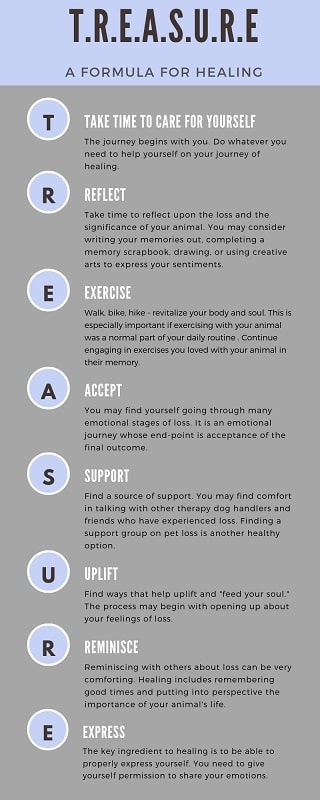
Image Source: petpartners.org
The Profound Impact of Animal Death
The bond we share with our pets is unlike any other. They offer unconditional love, companionship, and joy. When they die, the void they leave can be overwhelming. Acknowledging the significance of this relationship is the first step toward healing after pet loss.
Why Pet Loss Hurts So Much
- Unconditional Love: Pets love us without judgment, offering a constant source of affection.
- Companionship: They are always there, offering comfort and reducing loneliness.
- Routine Disruption: Pets are often deeply woven into our daily routines; their absence creates a noticeable void.
- Innocence and Vulnerability: We feel protective of our pets, and their vulnerability evokes strong emotions.
Validating Your Grief
It’s important to remember that your grief is valid. Don’t let anyone minimize your feelings or tell you to “get over it.” Coping with animal death is a personal journey, and there is no right or wrong way to grieve.
Navigating the Emotional Landscape: The Stages of Pet Grief
Grief is not linear; you may experience these stages in different orders or revisit certain stages. It’s a process of adaptation, not a problem to be solved. Many people experiencing pet loss grief go through these stages:
- Denial: Difficulty accepting the reality of the loss. “This can’t be happening.”
- Anger: Feeling frustrated, resentful, or angry towards the vet, yourself, or even the pet. “It’s not fair!”
- Bargaining: Trying to negotiate with a higher power or wishing you could have done something differently. “If only I had…”
- Depression: Feeling sadness, hopelessness, and withdrawal. “I don’t want to do anything anymore.”
- Acceptance: Coming to terms with the loss and finding a way to move forward. “I can live with this.”
It is important to remember that not everyone experiences these stages in the same order, and some may not experience them all.
Recognizing and Addressing Your Feelings
Pay attention to your emotions and allow yourself to feel them. Suppressing your grief can prolong the healing process.
- Journaling: Writing down your thoughts and feelings can be therapeutic.
- Talking to Someone: Sharing your grief with a trusted friend, family member, or therapist can provide support and validation.
- Self-Care: Prioritize your physical and emotional well-being. Eat healthy, exercise, and get enough sleep.
Finding Pet Grief Support
You are not alone in your grief. Many resources are available to provide support and guidance during this difficult time.
Support Groups and Counseling
- Pet Loss Support Groups: Connecting with others who have experienced similar losses can be incredibly helpful. Sharing stories and providing mutual support can ease the pain.
- Pet Loss Hotlines: These hotlines offer immediate support and guidance from trained professionals. They can provide a listening ear and connect you with resources.
- Therapists Specializing in Pet Loss: Some therapists specialize in pet loss and can provide individualized support and coping strategies.
Online Resources
- Online Forums and Communities: Numerous online forums and communities are dedicated to pet loss. These platforms offer a safe space to share your feelings, ask questions, and connect with others who understand.
- Websites and Articles: Many websites provide information and resources on coping with animal death, including articles, tips, and guidance on navigating the grieving process.
Memorializing a Pet: Honoring Their Memory
Creating a lasting tribute to your pet can be a meaningful way to honor their memory and keep their spirit alive. There are many ways of memorializing a pet.
Memorial Ideas
- Create a Memorial Garden: Plant flowers or a tree in their memory. You can include a headstone or a plaque with their name.
- Donate to an Animal Charity: Make a donation in their name to an animal shelter or rescue organization.
- Create a Photo Album or Scrapbook: Gather photos and memories of your pet and create a keepsake album.
- Write a Tribute: Write a poem, story, or eulogy about your pet.
- Hold a Memorial Service: Gather friends and family to celebrate your pet’s life.
- Commission a Portrait: Have a professional artist create a portrait of your pet.
- Cremation and Keepsakes: Consider cremation and keep their ashes in an urn or scatter them in a special place. You can also get jewelry made with a small amount of their ashes.
The Significance of Rituals
Rituals can provide comfort and closure during the grieving process. Whether it’s a formal memorial service or a simple act of remembrance, rituals can help you say goodbye and honor your pet’s life.
Children and Pet Loss: Helping Them Cope
Losing a pet can be particularly challenging for children, as it may be their first experience with death. It’s important to be honest and supportive.
Explaining Death to Children
- Use Simple Language: Explain death in a way that children can understand. Avoid euphemisms like “passed away” or “gone to sleep,” which can be confusing.
- Be Honest: Don’t try to sugarcoat the truth. Explain that their pet has died and will not be coming back.
- Allow Them to Grieve: Encourage children to express their feelings. Let them cry, talk about their pet, and ask questions.
- Validate Their Feelings: Acknowledge that their sadness and grief are normal and okay.
- Involve Them in Memorial Activities: Let children participate in memorial activities, such as creating a drawing, writing a letter, or planting a flower.
Age-Appropriate Guidance
- Preschoolers: Focus on the physical absence of the pet. “Sparky isn’t here anymore. He won’t be able to play with you.”
- Elementary School Children: Explain that death is permanent and that the pet’s body has stopped working.
- Teenagers: Allow them to express their grief in their own way. Provide support and understanding.
Books for Children
There are many books available that can help children understand and cope with pet loss. These books can provide comfort and guidance during a difficult time.
Considerations About Getting a New Pet
Deciding when or if to get a new pet is a personal decision. There’s no right or wrong answer, and it’s important to do what feels right for you.
Timing Is Everything
Don’t rush into getting a new pet. Allow yourself time to grieve and heal. Getting a new pet too soon can feel like you’re trying to replace your lost companion, which can be hurtful.
Honoring Your Previous Pet
A new pet should not be seen as a replacement for your previous pet. Each pet is an individual with their own unique personality and traits.
Are You Ready?
Ask yourself if you are truly ready to open your heart to a new pet. Are you emotionally prepared to bond with a new animal?
Why Getting a New Pet Can Be Helpful
A new pet can bring joy, companionship, and healing into your life. It can help fill the void left by your lost pet and provide a new focus for your love and attention.
Taking Care of Yourself: Prioritizing Well-being
Finding comfort after losing a pet means taking care of yourself, both physically and emotionally. Grief can be exhausting, so it’s important to prioritize self-care.
Healthy Habits
- Eat Nutritious Foods: Fuel your body with healthy foods to support your physical and emotional well-being.
- Exercise Regularly: Physical activity can help reduce stress and improve your mood.
- Get Enough Sleep: Aim for 7-8 hours of sleep per night to allow your body and mind to rest and recover.
- Stay Hydrated: Drink plenty of water to stay hydrated and energized.
Emotional Support
- Spend Time with Loved Ones: Connect with friends and family for support and companionship.
- Engage in Relaxing Activities: Do things that you enjoy, such as reading, listening to music, or spending time in nature.
- Practice Mindfulness: Focus on the present moment and practice relaxation techniques to reduce stress and anxiety.
When to Seek Professional Help
If your grief is overwhelming or interfering with your daily life, it may be time to seek professional help. A therapist can provide support and guidance in navigating the grieving process.
Pet Loss Resources
Here’s a list of valuable pet loss resources to help you cope with pet loss grief and navigate this challenging time:
| Resource | Description |
|---|---|
| Pet Loss Support Hotlines | Offer immediate support and guidance from trained professionals. |
| Pet Loss Support Groups | Provide a safe space to share experiences and connect with others who understand. |
| Online Pet Loss Forums | Offer online communities where you can share your feelings and find support. |
| Pet Loss Counseling Services | Provide individual or group therapy sessions with therapists specializing in pet loss. |
| Books on Pet Loss | Offer guidance and insights on coping with grief and loss. |
| Websites with Articles | Provide information and resources on coping with pet loss, including tips and advice. |
Frequently Asked Questions (FAQ)
- What is the best way to cope with the loss of my pet? There is no single “best” way, as grief is a personal experience. Allow yourself to feel your emotions, seek support from others, memorialize your pet, and prioritize self-care.
- Can I be this sad about losing a pet? Absolutely. The bond with a pet is profound, and grief is a natural response to loss. Your feelings are valid.
- Who is qualified to offer pet loss support? Licensed therapists, counselors specializing in grief, pet loss support group facilitators, and trained hotline volunteers.
- What are some good ways to memorialize my pet? Planting a tree, creating a photo album, writing a tribute, donating to an animal charity, or holding a memorial service are all meaningful ways to honor your pet’s memory.
- How do I explain pet loss to my child? Use simple language, be honest, allow them to grieve, validate their feelings, and involve them in memorial activities.
- What if I feel guilty after my pet dies? Guilt is a common emotion after pet loss. Talk to a therapist or support group to process these feelings. Remember you did your best for your pet.
- Can I get another pet after losing one? It is a personal decision, allow yourself time to grieve and heal before getting another pet, and make sure you are ready for a new bond.
- How long will I grieve my pet? There is no set timeframe. Grief is a process, not an event. Allow yourself as much time as you need to heal.
- Is it normal to dream about my pet after they die? Yes, dreaming about your pet is a normal part of the grieving process. It can be a way to process your emotions and memories.
- Where can I find resources on pet euthanasia? Many veterinary clinics and animal shelters offer resources on pet euthanasia, including information on the process, grief support, and memorial options.
Losing a pet is a heartbreaking experience. By allowing yourself to grieve, seeking support, and honoring your pet’s memory, you can navigate this difficult time and find healing. Remember that your pet’s love will always be with you.

Hi, I’m Mette Morgan—a lifelong pet enthusiast and the heart behind PetNobs.com.. My journey with animals began at an early age, and over the years, I’ve gathered invaluable experiences and insights on everything from everyday pet care to the unique quirks each animal brings to our lives. Here at PetNobs, I share my genuine passion, practical tips, and personal stories to help you create a loving, well-informed environment for your furry, feathered, or scaled friends. Welcome to my little corner of the pet world—it’s a joy to have you here!