Can I own a raccoon? Whether or not you can legally own a raccoon depends entirely on your location. What is it like to have a pet raccoon? Having a pet raccoon is a huge responsibility and commitment, demanding significant time, resources, and understanding of their unique needs. Who is this guide for? This guide is for those seriously contemplating raccoon ownership and want to learn about the challenges and realities of keeping one as a pet.
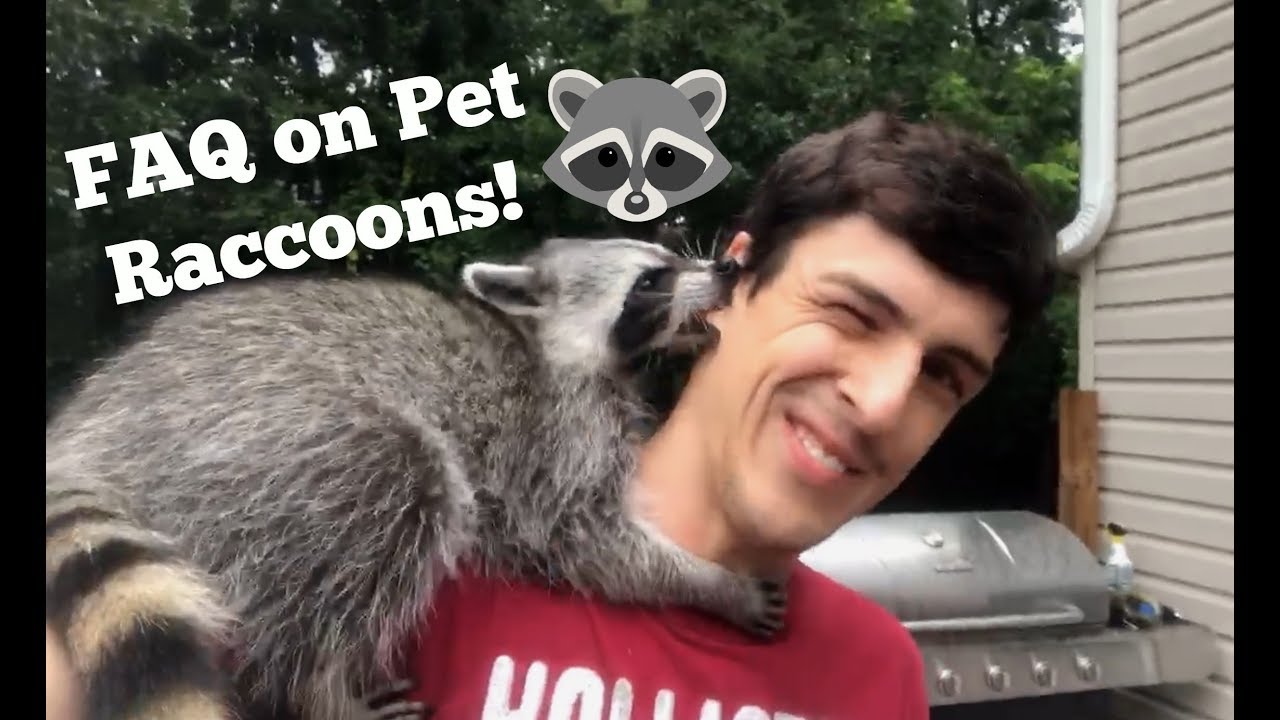
Image Source: i.ytimg.com
Is Raccoon Ownership Legally Permitted?
Before even considering bringing a raccoon into your home, the first and most crucial step is to investigate raccoon ownership legality in your specific area. Laws regarding exotic pets, including raccoons, vary significantly from state to state, and even county to county or city to city.
- State Laws: Some states completely prohibit keeping raccoons as pets. Others require permits or licenses, which may be difficult to obtain.
- Local Ordinances: Even if your state allows it, your city or county might have stricter rules.
- Homeowner Associations: Don’t forget to check with your HOA or landlord, as they might have rules against certain animals.
How to Check Legality:
- State Wildlife Agency: Contact your state’s Department of Fish and Wildlife or a similar agency. They can provide information on state laws regarding raccoon as a pet.
- Local Animal Control: Reach out to your local animal control or animal services department for city or county ordinances.
- Legal Counsel: If you’re unsure, consult with an attorney specializing in animal law.
Important Note: It is never legal to take a raccoon from the wild and keep it as a pet. Raccoons in the wild are protected, and removing them can disrupt the ecosystem.
Deciphering the Realities: The Raccoon as a Pet
Raccoons are intelligent, curious, and undeniably cute. However, their wild nature presents many challenges that make them unsuitable pets for most people.
Challenges of Raccoon Ownership
- Destructive Behavior: Raccoons are notorious for their destructive tendencies. They have nimble hands and a strong desire to explore and investigate. This translates to shredded furniture, torn curtains, overturned objects, and potential damage to your home’s structure.
- Unpredictable Temperament: Raccoons can be affectionate and playful, but their behavior can also be unpredictable. They may bite or scratch, especially when feeling threatened or territorial.
- Nocturnal Nature: Raccoons are primarily nocturnal, meaning they are most active at night. This can disrupt your sleep schedule and lead to frustration.
- Specialized Care: Raccoons require a specialized diet, enrichment, and veterinary care. Finding a vet who is experienced with raccoons can be difficult.
- Lifespan and Commitment: Raccoons can live for 10-15 years in captivity. Bringing one into your home means committing to their care for their entire lifespan.
- Zoonotic Diseases: Raccoons can carry diseases that can be transmitted to humans, such as rabies and raccoon roundworm.
Dispelling Common Myths
- Myth: Raccoons can be “trained” like dogs.
- Reality: While some training is possible, raccoons are not as easily trained as domesticated animals. Their wild instincts will always be present.
- Myth: Raccoons are cuddly and affectionate all the time.
- Reality: Raccoons can be affectionate, but they also have independent and sometimes aggressive tendencies.
- Myth: Raccoons are low-maintenance pets.
- Reality: Raccoons require a significant amount of attention, enrichment, and specialized care.
Raising a Baby Raccoon: A Delicate Endeavor
Sometimes, people find themselves in a situation where they need to care for a baby raccoon, perhaps after it has been orphaned. Raising a baby raccoon is an extremely difficult and time-consuming process that requires specialized knowledge and dedication.
Key Considerations for Infant Raccoon Care
- Consult with Wildlife Professionals: The best course of action is always to contact a licensed wildlife rehabilitator. They have the experience and resources to properly care for the baby raccoon and eventually release it back into the wild.
- Proper Nutrition: Baby raccoons require a specialized formula and feeding schedule. Cow’s milk is not suitable and can cause serious health problems.
- Warmth and Hygiene: Baby raccoons need to be kept warm and clean. They also need help with urination and defecation, which is normally stimulated by the mother.
- Socialization (with other raccoons, if possible): If you raise a raccoon alone, it may not develop proper social skills, making it difficult to release back into the wild.
- Weaning and Introduction to Solid Foods: As the raccoon grows, you’ll need to gradually introduce solid foods and wean it off the formula.
- Enrichment and Play: Baby raccoons need plenty of enrichment and play to stimulate their minds and bodies.
Warning: Raising a baby raccoon can inadvertently lead to it becoming overly attached to humans and unable to survive in the wild. This is why it is crucial to work with a qualified wildlife rehabilitator.
A Detailed Raccoon Care Guide
If you are committed to responsible raccoon ownership, providing proper care is essential.
Raccoon Diet and Feeding
A balanced and appropriate diet is crucial for a raccoon’s health and well-being.
- Commercial Raccoon Food: Look for high-quality commercial raccoon food.
- Fruits and Vegetables: Supplement their diet with a variety of fresh fruits and vegetables.
- Protein Sources: Offer protein sources like cooked chicken, fish, or eggs.
- Avoid Harmful Foods: Avoid chocolate, onions, garlic, and other foods that are toxic to animals.
- Puzzle Feeders: Use puzzle feeders or other enrichment items to make mealtimes more stimulating.
- Fresh Water: Always provide access to fresh, clean water.
| Food Group | Examples | Considerations |
|---|---|---|
| Commercial Food | High-quality raccoon food brands | Choose a formula specifically designed for raccoons |
| Fruits | Apples, bananas, berries, grapes | Offer in moderation due to their high sugar content. |
| Vegetables | Carrots, sweet potatoes, leafy greens, broccoli | Steam or cook some vegetables to make them easier to digest. |
| Protein | Cooked chicken, fish, eggs | Avoid raw meat due to the risk of bacterial contamination. |
| Treats (Limited) | Nuts, seeds, small pieces of cooked meat | Use sparingly as rewards or for enrichment. |
| Foods to Avoid | Chocolate, onions, garlic, grapes, avocados, alcohol | These foods are toxic and can cause serious health problems or death. Never feed raccoons these substances. |
Raccoon Enclosure Requirements
Raccoons need a secure and spacious enclosure that provides them with plenty of room to explore, climb, and play.
- Size: The enclosure should be as large as possible, ideally an outdoor enclosure that is at least 10ft x 10ft x 10ft.
- Security: The enclosure must be escape-proof, with strong fencing and a secure roof. Raccoons are masters of escape.
- Climbing Structures: Provide plenty of climbing structures, such as branches, platforms, and ropes.
- Denning Area: Offer a denning area where the raccoon can feel safe and secure, such as a dog house or a wooden box filled with soft bedding.
- Water Source: Provide a water source for drinking and bathing. Raccoons enjoy playing in water.
- Enrichment: Include toys, puzzle feeders, and other enrichment items to keep the raccoon mentally stimulated.
- Hygiene: The enclosure should be cleaned regularly to prevent the buildup of bacteria and parasites.
Raccoon Behavior and Training
Understanding raccoon behavior is key to successful pet ownership.
- Natural Instincts: Recognize that raccoons are wild animals with strong natural instincts.
- Positive Reinforcement: Use positive reinforcement techniques, such as treats and praise, to train your raccoon.
- Consistency: Be consistent with your training efforts.
- Avoid Punishment: Never use punishment, as this can damage your relationship with your raccoon and lead to aggression.
- Enrichment Activities: Provide plenty of enrichment activities to keep your raccoon mentally and physically stimulated. This can help reduce destructive behaviors.
- Biting and Scratching: Discourage biting and scratching from a young age.
- Household Rules: Set clear boundaries and enforce household rules consistently.
Health Considerations
Raccoons, like all animals, are susceptible to certain health issues. Regular veterinary check-ups are essential.
- Vaccinations: Discuss necessary vaccinations with your veterinarian.
- Parasite Control: Implement a parasite control program to prevent fleas, ticks, and worms.
- Dental Care: Provide dental chews or toys to help maintain dental hygiene.
- Obesity: Monitor your raccoon’s weight and adjust their diet as needed to prevent obesity.
- Common Illnesses: Be aware of common illnesses that affect raccoons, such as distemper and rabies.
Addressing the Risks of Owning a Raccoon
Raccoon ownership comes with several risks that potential owners must carefully consider.
- Liability: You may be liable for any damage or injuries caused by your raccoon.
- Zoonotic Diseases: Raccoons can carry diseases that can be transmitted to humans, such as rabies and raccoon roundworm.
- Abandonment Issues: Releasing a pet raccoon into the wild is irresponsible and cruel. It is unlikely to survive.
- Ethical Concerns: Some people believe that it is unethical to keep wild animals as pets.
- Difficulty Finding Veterinary Care: Many veterinarians are not experienced with treating raccoons.
Where to Find a Pet Raccoon
Acquiring a raccoon responsibly can be challenging, depending on your area’s raccoon ownership legality. You should never take a raccoon from the wild.
- Licensed Breeders: If raccoon ownership is legal in your area, look for licensed breeders who specialize in raising raccoons for pets.
- Rescues and Sanctuaries: Check with rescues and sanctuaries that may have raccoons available for adoption.
- Avoid Illegal Sources: Never purchase a raccoon from an illegal source, as this supports unethical practices.
Alternatives to Pet Raccoons
If you’re drawn to raccoons but concerned about the challenges of ownership, consider these alternatives to pet raccoons:
- Wildlife Rehabilitation: Volunteer at a wildlife rehabilitation center. This allows you to work with raccoons without taking on the responsibility of owning one.
- Support Wildlife Conservation: Support organizations that work to protect raccoons and their natural habitats.
- Enjoy Raccoons from a Distance: Observe raccoons in the wild (safely!) or watch documentaries about them.
- Consider Other Pets: Consider adopting a more traditional pet, such as a dog or cat, that is better suited to domestic life.
Fathoming the Decision: Is a Raccoon Right for You?
Owning a raccoon is a significant responsibility that should not be taken lightly. It requires careful consideration of the legal, practical, and ethical implications. Only those who are fully prepared to meet the unique needs of a raccoon should consider taking on this commitment. It is crucial to do thorough research, consult with experts, and carefully assess your ability to provide a suitable home and lifestyle for a raccoon before making a decision.
Frequently Asked Questions (FAQ)
Q: Can I potty train a raccoon?
A: While raccoons can be trained to use a litter box to some extent, they are not as easily potty trained as cats or dogs.
Q: Do raccoons bite?
A: Yes, raccoons can bite, especially if they feel threatened or scared.
Q: Are raccoons good with children?
A: Raccoons are generally not recommended as pets for families with young children due to their unpredictable behavior and potential for biting and scratching.
Q: How much does it cost to own a raccoon?
A: The cost of owning a raccoon can vary depending on the location and individual needs of the animal, but it can be quite expensive, including the initial purchase price, enclosure costs, food, veterinary care, and enrichment items. Expect to spend thousands of dollars per year.
Q: Can I release my pet raccoon into the wild?
Abandoning a pet raccoon to the wild is a profoundly unethical and irresponsible act. These animals are ill-equipped for survival in their natural habitat, facing starvation and predation, and furthermore, they pose a significant risk of introducing devastating diseases to existing wild raccoon populations. If you find yourself unable to provide for your pet raccoon, your only responsible course of action is to reach out to a licensed rescue organization or sanctuary.

Hi, I’m Mette Morgan—a lifelong pet enthusiast and the heart behind PetNobs.com.. My journey with animals began at an early age, and over the years, I’ve gathered invaluable experiences and insights on everything from everyday pet care to the unique quirks each animal brings to our lives. Here at PetNobs, I share my genuine passion, practical tips, and personal stories to help you create a loving, well-informed environment for your furry, feathered, or scaled friends. Welcome to my little corner of the pet world—it’s a joy to have you here!