What is the best way to keep my pet safe during a storm? The best way to protect your pet during a storm involves creating a detailed pet disaster plan, which includes proper identification, a pet storm safety kit, knowledge of evacuation routes and shelters, and strategies for keeping pets calm and secure throughout the event. This guide provides a comprehensive overview of animal emergency preparedness to help you protect your beloved companions.
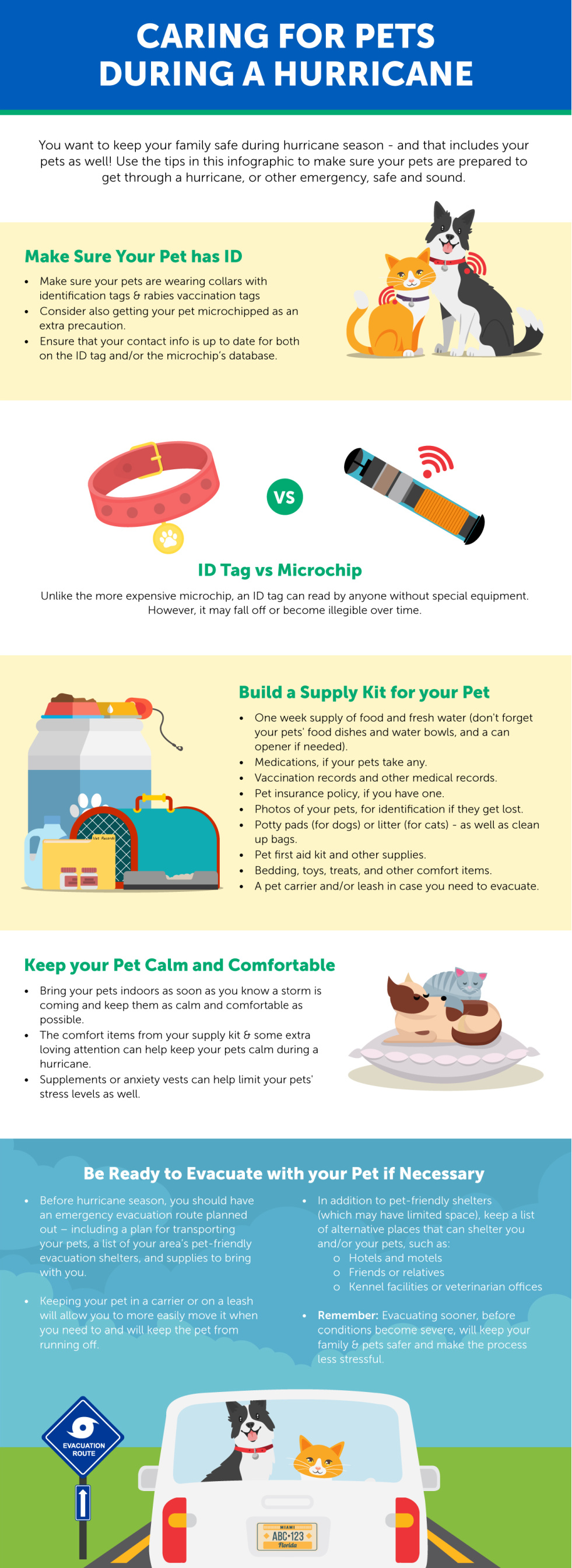
Image Source: peoplestrustinsurance.com
Creating Your Pet Disaster Plan
A well-thought-out pet disaster plan is crucial for ensuring your pet’s safety and well-being during severe weather events. Just like humans, pets need a plan tailored to their specific needs and sensitivities.
Assessing Your Pet’s Needs
Each pet has unique needs and vulnerabilities. Before developing your plan, consider the following:
- Species and Breed: Different species and breeds have varying tolerances to heat, cold, and stress.
- Age and Health: Senior pets and those with existing health conditions require extra care.
- Temperament: Anxious or fearful pets may need specific calming strategies.
- Medications and Special Needs: Ensure you have an adequate supply of necessary medications and any special equipment (e.g., harnesses for mobility issues).
Pet Disaster Plan Checklist
Creating a checklist ensures that you don’t overlook any vital preparations. Here’s a basic storm pet checklist:
- [ ] Identification: Ensure your pet has proper identification (microchip, collar with tags).
- [ ] Emergency Kit: Assemble a pet emergency kit (detailed below).
- [ ] Evacuation Plan: Know your evacuation routes and pet-friendly shelters.
- [ ] Pet Carrier: Have a secure carrier for each pet.
- [ ] Veterinary Records: Keep copies of vaccination records and medical history.
- [ ] Calming Aids: Gather items to help calm your pet (toys, blankets, pheromone diffusers).
- [ ] Emergency Contacts: Maintain a list of emergency contacts (vet, local animal shelters).
- [ ] Food and Water: Store at least a 3-day supply of food and water for each pet.
- [ ] First Aid Kit: Include pet-specific first aid supplies.
Building a Pet Emergency Kit
A comprehensive pet emergency kit is essential for any disaster plan. Consider including the following items:
| Item | Quantity/Details |
|---|---|
| Food | 3-day supply of non-perishable food (canned or dry) |
| Water | 3-day supply of water (at least 1 gallon per pet) |
| Food and Water Bowls | Portable and collapsible bowls |
| Leash and Collar | Durable leash and collar with current identification tags |
| Pet Carrier | Secure and appropriately sized carrier for each pet |
| First Aid Kit | Pet-specific first aid supplies (antiseptic wipes, gauze, bandages, antiseptic spray) |
| Medication | Supply of any necessary medications with instructions |
| Veterinary Records | Copies of vaccination records, medical history, and emergency contact information |
| Blanket or Bedding | Familiar and comforting items |
| Toys | To provide comfort and distraction |
| Waste Disposal Bags | For sanitary waste disposal |
| Photo of Your Pet | Recent photo of your pet for identification purposes if lost |
Pet Identification During Storms
Proper identification is critical in case your pet gets lost during a storm. The most important aspects of pet identification include microchipping, collars with current tags, and recent photos.
Microchipping
Microchipping is a permanent form of identification. A small chip is implanted under your pet’s skin and contains a unique identification number. When scanned, this number can be used to locate your contact information in a database.
- Ensure your pet is microchipped.
- Verify that your contact information is up-to-date with the microchip registry.
- Keep your contact information current if you move or change your phone number.
Collars and Tags
Collars with identification tags are another essential form of identification.
- Ensure your pet wears a collar with current tags at all times.
- Include your pet’s name, your phone number, and any medical information on the tag.
- Consider adding a temporary tag with evacuation location information during a storm.
Photos
Having a recent photo of your pet can be invaluable if they get lost.
- Keep a recent photo of your pet in your emergency kit.
- Include multiple photos from different angles.
- Consider keeping digital copies on your phone and computer.
Pet Evacuation Tips
Evacuating with pets requires careful planning and preparation. It’s important to identify pet-friendly shelters and hotels, prepare your pet for travel, and understand how to manage your pet’s stress during evacuation.
Locating Pet-Friendly Shelters and Hotels
Not all emergency shelters accept pets, so it’s essential to identify pet-friendly options ahead of time.
- Contact your local emergency management agency for a list of pet-friendly shelters in your area.
- Research pet-friendly hotels and motels along potential evacuation routes. Keep a list of these locations in your emergency kit.
- Consider boarding facilities outside of the affected area as an alternative option.
Preparing Your Pet for Travel
Familiarizing your pet with their carrier and ensuring they are comfortable during travel can reduce stress during evacuation.
- Introduce your pet to their carrier well in advance of any potential evacuations.
- Make the carrier a comfortable space with familiar bedding and toys.
- Practice short car rides with your pet in their carrier to acclimate them to travel.
Managing Pet Stress During Evacuation
Evacuation can be a stressful experience for pets. Here are some strategies to help manage their stress:
- Keep your pet in a secure carrier or on a leash at all times.
- Speak to your pet in a calm and reassuring voice.
- Provide familiar toys and blankets to offer comfort.
- Consider using pheromone sprays or diffusers to help calm anxious pets.
Securing Pets During Hurricanes
Hurricanes pose significant threats to pets due to high winds, flooding, and the potential for debris.
Bringing Pets Indoors
The first step in securing pets during a hurricane is to bring them indoors well before the storm hits.
- Bring all pets indoors when a hurricane watch or warning is issued.
- Designate a safe room away from windows and exterior walls.
- Keep pets confined to the safe room with their emergency kit.
Protecting Pets from Floods
Flooding is a common hazard during hurricanes. Protecting your pets from floodwaters is essential.
- Move pets to higher ground if flooding is a risk.
- Never leave pets tied up or confined in areas prone to flooding.
- If you must evacuate and cannot take your pets, contact local animal shelters or rescue organizations for assistance. Never leave them behind to fend for themselves.
Minimizing Stress During the Storm
The noise and intensity of a hurricane can be frightening for pets. Here are some ways to minimize their stress:
- Stay calm and reassure your pet with a soothing voice.
- Provide distractions such as toys, puzzle feeders, or chew toys.
- Consider using a white noise machine or playing calming music to mask the sounds of the storm.
- If your pet suffers from severe anxiety, consult your veterinarian about medication options.
Keeping Pets Calm During Storms
Many pets experience anxiety and fear during storms, especially those with thunder anxiety. Implementing strategies to keep pets calm can significantly improve their well-being.
Identifying Signs of Anxiety
Recognizing the signs of anxiety in your pet is the first step in addressing their fear. Common signs include:
- Panting
- Pacing
- Trembling
- Excessive barking or whining
- Hiding
- Destructive behavior
- Loss of appetite
- Inappropriate elimination
Creating a Safe and Secure Space
Providing a safe and secure space can help your pet feel more comfortable during a storm.
- Designate a quiet, interior room or closet as their safe space.
- Make the space comfortable with familiar bedding, toys, and blankets.
- Allow your pet to retreat to this space whenever they feel anxious.
- Never force your pet into the safe space, as this can increase their anxiety.
Using Calming Aids and Techniques
Various calming aids and techniques can help reduce anxiety in pets during storms.
- Pheromone Diffusers and Sprays: These products release calming pheromones that can help reduce stress.
- Thunder Shirts: These snug-fitting garments apply gentle pressure to help calm anxious pets.
- White Noise Machines or Calming Music: Masking the sounds of the storm can reduce anxiety.
- Distraction Techniques: Engage your pet with toys, puzzles, or training exercises to divert their attention from the storm.
- Consult Your Veterinarian: If your pet’s anxiety is severe, consult your veterinarian about medication options.
Counterconditioning and Desensitization
Counterconditioning and desensitization are training techniques that can help change your pet’s emotional response to storms.
- Counterconditioning: Pair the sound of thunder with positive experiences, such as treats or playtime.
- Desensitization: Gradually expose your pet to recordings of thunder at low volumes, gradually increasing the volume over time.
- Consult a professional trainer or behaviorist for guidance on implementing these techniques effectively.
Addressing Thunder Anxiety in Pets
Thunder anxiety is a common issue in pets, and addressing it requires a combination of management strategies, training techniques, and, in some cases, medication.
Management Strategies
Management strategies focus on minimizing your pet’s exposure to triggers and creating a comfortable environment.
- Provide a safe and secure space.
- Use calming aids such as pheromone diffusers or Thunder Shirts.
- Mask the sounds of thunder with white noise or calming music.
- Close windows and curtains to minimize visual and auditory stimulation.
Training Techniques
Training techniques aim to change your pet’s emotional response to thunder.
- Counterconditioning: Pair the sound of thunder with positive reinforcement.
- Desensitization: Gradually expose your pet to recordings of thunder at low volumes.
Medication Options
If management and training techniques are not sufficient, medication may be necessary.
- Consult your veterinarian about appropriate medication options for your pet’s anxiety.
- Common medications include anti-anxiety drugs and sedatives.
- Medication should be used in conjunction with management and training techniques for the best results.
Animal Emergency Preparedness: Beyond the Storm
While this guide focuses on storm safety, animal emergency preparedness extends to other disasters as well.
Fire Safety
- Include pets in your fire escape plan.
- Keep pets near entrances so rescuers can find them easily.
- Affix pet alert stickers to your windows to alert firefighters to the presence of pets.
- Have leashes and carriers readily available for quick evacuation.
Earthquakes
- Secure tall furniture and appliances to prevent them from falling on your pets.
- Teach your pet to respond to basic commands like “stay” and “come” for easier control during an earthquake.
- Keep an emergency kit readily available with supplies for both you and your pet.
Other Natural Disasters
- Tailor your emergency plan to the specific risks in your area (e.g., wildfires, floods, tornadoes).
- Stay informed about potential threats and heed warnings from local authorities.
- Regularly review and update your emergency plan to ensure it remains effective.
Frequently Asked Questions (FAQ)
-
Can I leave my pet at home during a short evacuation?
No, it is never safe to leave your pet at home during an evacuation. Even a short evacuation can turn into a longer one, and conditions can quickly become dangerous for unattended animals. Always take your pet with you or find a safe place for them to stay.
* What should I do if I can’t find my pet after a storm?Immediately contact local animal shelters, animal control agencies, and veterinary clinics. Post flyers with your pet’s photo and description in the area where they were lost. Use social media to spread the word and ask for assistance in locating your pet. Check online lost and found pet databases.
* How do I know if a shelter is pet-friendly?Contact the shelter directly to inquire about their pet policies. Pet-friendly shelters typically require pets to be kept in carriers or on leashes and may have specific vaccination requirements. Your local emergency management agency can also provide a list of pet-friendly shelters in your area.
* Is it okay to give my pet human medication for anxiety during a storm?No, never give your pet human medication without consulting your veterinarian. Many human medications are toxic to animals and can cause serious health problems. Your veterinarian can prescribe safe and effective medication options for your pet’s anxiety.
* What can I do to prepare my pet for future storms?Regularly practice your pet disaster plan, including evacuation drills. Familiarize your pet with their carrier and desensitize them to the sounds of thunder. Keep your pet’s identification up-to-date and maintain a well-stocked emergency kit. Consult your veterinarian about anxiety management strategies and medication options if needed.
By taking these steps, you can significantly increase your pet’s chances of staying safe and healthy during any type of disaster. The key is to plan ahead and be prepared. Your pet’s well-being depends on it.

Hi, I’m Mette Morgan—a lifelong pet enthusiast and the heart behind PetNobs.com.. My journey with animals began at an early age, and over the years, I’ve gathered invaluable experiences and insights on everything from everyday pet care to the unique quirks each animal brings to our lives. Here at PetNobs, I share my genuine passion, practical tips, and personal stories to help you create a loving, well-informed environment for your furry, feathered, or scaled friends. Welcome to my little corner of the pet world—it’s a joy to have you here!