Are you wondering how to remove pet odor from your carpet? You’re in the right place! Removing pet odors from carpets requires a multi-faceted approach, combining immediate action, effective cleaning solutions, and preventative strategies. This guide provides DIY techniques and professional insights for a fresh, odor-free home.
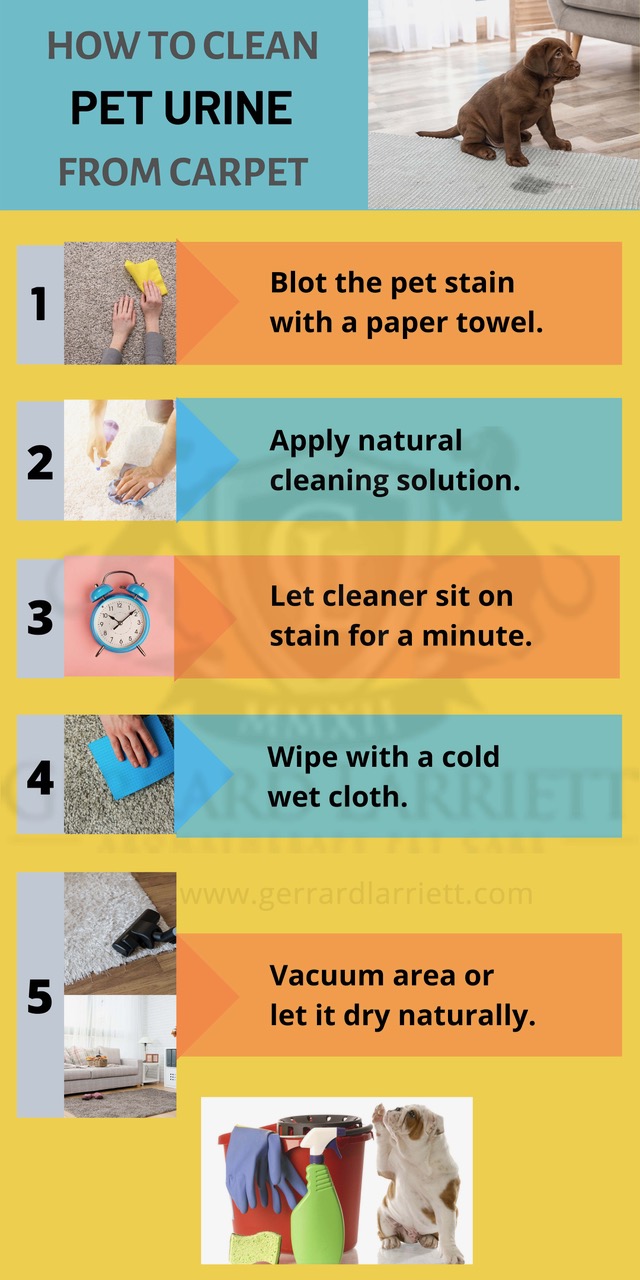
Image Source: www.gerrardlarriett.com
The Persistence of Pet Odors: Why They Linger
Pet odors, especially from urine and feces, are notoriously difficult to eliminate. This is due to a few key reasons:
- Penetration: Pet urine, in particular, doesn’t just sit on the surface of the carpet. It soaks deep down into the fibers, padding, and even the subfloor below.
- Bacteria: Urine breaks down into bacteria, which release ammonia and other unpleasant smelling compounds. These compounds can become trapped in the carpet.
- Crystallization: As urine dries, it forms crystals that continue to emit odors, even after the visible stain is gone.
- Humidity: Moisture reactivates the dried urine crystals, causing the smell to return, particularly during humid weather.
Act Fast: Immediate Action is Key
Prompt attention to pet accidents drastically improves your chances of complete pet urine stain removal and carpet odor removal.
- Blot, Don’t Rub: Use paper towels or a clean cloth to blot up as much of the liquid as possible. Rubbing can spread the stain and force it deeper into the fibers. Apply firm pressure to absorb the liquid.
- Repeat: Continue blotting with fresh towels until you can’t absorb any more liquid.
- Weight It Down: Place a thick layer of paper towels over the affected area and weigh it down with a heavy object, such as a book or brick, for several hours. This will help draw out any remaining moisture.
Essential Tools and Supplies for Pet Odor Removal
Before you start cleaning, gather these essential tools:
- Paper towels and clean cloths: For blotting and cleaning.
- Spray bottle: For applying cleaning solutions.
- Wet/dry vacuum: For removing excess liquid and cleaning solutions.
- Carpet brush: For agitating and loosening embedded dirt and stains.
- Rubber gloves: To protect your hands.
- Enzymatic cleaner: Specially formulated to break down pet odors.
- Baking soda: A natural odor absorber.
- White vinegar: A natural cleaning and deodorizing agent.
DIY Pet Odor Removal Carpet Solutions
Several effective DIY solutions can help tackle pet odors. Always test any solution in an inconspicuous area first to ensure it doesn’t damage your carpet.
Baking Soda: A Natural Odor Absorber
Baking soda is a fantastic natural carpet odor eliminator.
- Apply Generously: Sprinkle a thick layer of baking soda over the affected area.
- Wait: Allow the baking soda to sit for several hours, or preferably overnight. The longer it sits, the more odor it will absorb.
- Vacuum: Thoroughly vacuum up the baking soda.
Vinegar Solution: Cleaning and Deodorizing
White vinegar is another excellent DIY pet odor removal carpet option.
- Mix Solution: Mix equal parts white vinegar and water in a spray bottle.
- Apply Lightly: Lightly spray the affected area with the vinegar solution. Avoid oversaturating the carpet.
- Blot: Blot the area with a clean cloth.
- Dry: Allow the area to air dry completely.
Baking Soda and Vinegar Combination
Combining baking soda and vinegar can create a powerful cleaning action.
- Sprinkle Baking Soda: Sprinkle baking soda liberally over the affected area.
- Spray Vinegar: Slowly pour or spray a small amount of white vinegar onto the baking soda. It will bubble and fizz.
- Wait: Allow the mixture to sit for several hours, or until it is completely dry.
- Vacuum: Vacuum up the residue.
Hydrogen Peroxide Solution
Hydrogen peroxide can help break down stains and odors, but use it cautiously.
- Dilute: Mix a 3% hydrogen peroxide solution with water in a spray bottle (1 part peroxide to 5 parts water).
- Test: Test in an inconspicuous area first.
- Apply: Spray lightly onto the affected area.
- Blot: Blot with a clean cloth.
- Dry: Allow to air dry completely.
Caution: Hydrogen peroxide can lighten or discolor some carpets. Use with extreme caution, especially on dark carpets.
Enzymatic Cleaners: The Professional’s Choice
Enzymatic cleaner for carpet are specifically designed to break down the bacteria and organic matter that cause pet odors. These cleaners contain enzymes that digest the urine crystals, eliminating the source of the odor.
How Enzymatic Cleaners Work
Enzymatic cleaners contain beneficial bacteria that produce enzymes. These enzymes break down complex organic molecules (like those found in pet urine) into smaller, odorless components.
Choosing the Right Enzymatic Cleaner
- Read Labels Carefully: Look for cleaners specifically formulated for pet urine or pet odors.
- Consider the Type of Pet: Some cleaners are designed for specific types of pet accidents (e.g., cat urine). When cleaning pet accidents carpet be mindful of the type of pet stain.
- Check Reviews: Read online reviews to see what other pet owners have experienced with different products.
How to Use Enzymatic Cleaners
- Remove Excess: Blot up any excess liquid.
- Apply Liberally: Saturate the affected area with the enzymatic cleaner. Make sure to reach the padding beneath the carpet.
- Wait: Allow the cleaner to sit for the recommended time (usually several hours or overnight). Do not blot or wipe away the cleaner.
- Air Dry: Let the area air dry completely.
Deodorizing After Cleaning
After cleaning, consider using a best carpet deodorizer for pets to further freshen your carpets.
- Baking Soda: Sprinkle baking soda over the entire carpet and vacuum after several hours.
- Carpet Deodorizing Powders: Use commercially available carpet deodorizing powders. Follow the instructions on the packaging.
- Essential Oils: Add a few drops of pet-safe essential oils (like lavender or chamomile) to your vacuum cleaner bag or diffuser to freshen the air. Always ensure the oils are safe for your specific pet before using.
Tackling Old and Stubborn Pet Odors
Old pet odors are more challenging to eliminate because the urine has likely penetrated deep into the carpet and padding.
Deep Cleaning with a Carpet Cleaner
Use a carpet cleaner with a pet odor removal solution.
- Pre-Treat: Pre-treat heavily soiled areas with an enzymatic cleaner.
- Follow Instructions: Follow the carpet cleaner’s instructions for mixing and using the solution.
- Multiple Passes: Make multiple passes over the affected area to ensure thorough cleaning.
- Dry Thoroughly: Ensure the carpet is completely dry after cleaning.
Replacing the Carpet Padding
In severe cases, especially if the urine has soaked into the subfloor, replacing the carpet padding may be necessary. This is particularly relevant if you are removing dog urine from carpet that has been there for a significant time.
- Remove Carpet: Carefully remove the carpet from the affected area.
- Remove Padding: Remove and discard the contaminated padding.
- Clean Subfloor: Clean and sanitize the subfloor.
- Install New Padding: Install new carpet padding.
- Reinstall Carpet: Reinstall the carpet, or replace it with new carpet.
Professional Carpet Cleaning
If DIY methods are unsuccessful, consider hiring a professional carpet cleaning service. Professionals have specialized equipment and cleaning solutions that can effectively remove even the most stubborn pet odors.
Preventing Future Pet Odors
Prevention is key to maintaining an odor-free home.
- Regular Cleaning: Vacuum your carpets regularly to remove pet hair and dander.
- Potty Training: Ensure your pets are properly potty trained.
- Frequent Accidents: If your pet is having frequent accidents, consult with a veterinarian to rule out any underlying medical conditions.
- Pet-Friendly Flooring: Consider pet-friendly flooring options, such as tile or laminate, in areas where accidents are likely to occur.
- Regular Grooming: Regular grooming can help reduce shedding and minimize pet odors.
Pet Stain and Odor Remover: A Comparison
Here is a comparison table of different pet stain and odor remover solutions:
| Solution | Pros | Cons | Best For |
|---|---|---|---|
| Baking Soda | Natural, inexpensive, absorbs odors | Can be messy, may not remove deep-set stains | Mild odors, general carpet freshening |
| White Vinegar | Natural, disinfects, deodorizes | Strong odor until dry, may not remove all stains | Fresh stains, general cleaning |
| Enzymatic Cleaners | Specifically targets pet odors, breaks down urine crystals | Can be expensive, requires longer drying time | Stubborn odors, old stains |
| Hydrogen Peroxide | Powerful stain remover, disinfects | Can lighten carpet, must be used with caution | Light-colored carpets, tough stains |
| Commercial Deodorizers | Easy to use, pleasant scent | May mask odors rather than eliminate them, can contain harsh chemicals | Quick freshening, after cleaning |
How to Get Rid of Cat Pee Smell: A Special Focus
How to get rid of cat pee smell requires specific attention because cat urine is highly concentrated and contains unique compounds that make it particularly pungent.
- Enzymatic Cleaners are Essential: Cat urine contains uric acid crystals that are difficult to break down with 일반 cleaners. Enzymatic cleaners are crucial for completely eliminating cat pee odors.
- Black Light Detection: Use a black light to locate hidden urine stains. Cat urine will glow under black light, making it easier to identify and treat affected areas.
- Multiple Treatments: Cat pee may require multiple treatments with an enzymatic cleaner to completely eliminate the odor.
- Consider the Litter Box: Ensure the cat’s litter box is clean and properly maintained. Cats may urinate outside the box if it is not clean.
Addressing Specific Types of Carpet
Different types of carpets require different cleaning approaches.
- Synthetic Carpets (Nylon, Polyester, Olefin): These carpets are generally durable and stain-resistant. They can withstand most cleaning solutions, but always test in an inconspicuous area first.
- Natural Carpets (Wool, Sisal, Jute): These carpets are more delicate and can be easily damaged by harsh chemicals or excessive moisture. Use gentle cleaning solutions and avoid oversaturating the carpet.
- High-Pile Carpets: These carpets can trap more dirt and odors than low-pile carpets. Use a carpet brush to agitate the fibers and ensure thorough cleaning.
Interpreting the Results: When to Call a Professional
While DIY methods can be effective, sometimes professional help is necessary. Call a professional carpet cleaner if:
- The odor persists after multiple cleaning attempts.
- The stain is large or deep-seated.
- You are unsure about which cleaning solutions to use.
- The carpet is valuable or delicate.
- The problem is recurring.
FAQ: Addressing Your Pet Odor Concerns
Here are some frequently asked questions about carpet odor removal:
Q: What is the best way to remove pet odor from carpet?
A: The best way is to act fast by blotting up fresh accidents, then using an enzymatic cleaner designed to break down the odor-causing bacteria.
Q: Can I use bleach to remove pet urine stains?
A: No, bleach is not recommended for removing pet urine stains. It can damage your carpet, discolor it, and create harmful fumes when mixed with ammonia from the urine.
Q: How often should I clean my carpets if I have pets?
A: Aim to deep clean your carpets at least twice a year if you have pets. More frequent cleaning may be necessary if you have multiple pets or if they shed heavily.
Q: Who is best suited to call to remove pet odors?
A: A professional carpet cleaning service that specializes in pet odor removal is best suited to handle severe or persistent pet odor issues.
Q: What is an enzymatic cleaner?
A: An enzymatic cleaner contains enzymes that break down organic matter, such as pet urine, eliminating the source of the odor.
Q: Can I prevent my pet from urinating on the carpet?
A: Consistent potty training, regular vet checkups, and managing your pet’s stress levels can help prevent accidents on the carpet.
By following these tips and techniques, you can effectively remove pet odors from your carpets and enjoy a fresh, clean home once again. Remember to act quickly, choose the right cleaning solutions, and be patient. With a little effort, you can say goodbye to those lingering pet odors!

Hi, I’m Mette Morgan—a lifelong pet enthusiast and the heart behind PetNobs.com.. My journey with animals began at an early age, and over the years, I’ve gathered invaluable experiences and insights on everything from everyday pet care to the unique quirks each animal brings to our lives. Here at PetNobs, I share my genuine passion, practical tips, and personal stories to help you create a loving, well-informed environment for your furry, feathered, or scaled friends. Welcome to my little corner of the pet world—it’s a joy to have you here!