How do you remove pet stains from hardwood floors? Removing pet stains from hardwood floors involves quick action, appropriate cleaning solutions (like enzymatic cleaners), and sometimes, more intensive methods like sanding and refinishing for old, deep stains. This comprehensive guide will show you how to effectively remove those unsightly and smelly reminders of your furry friends.
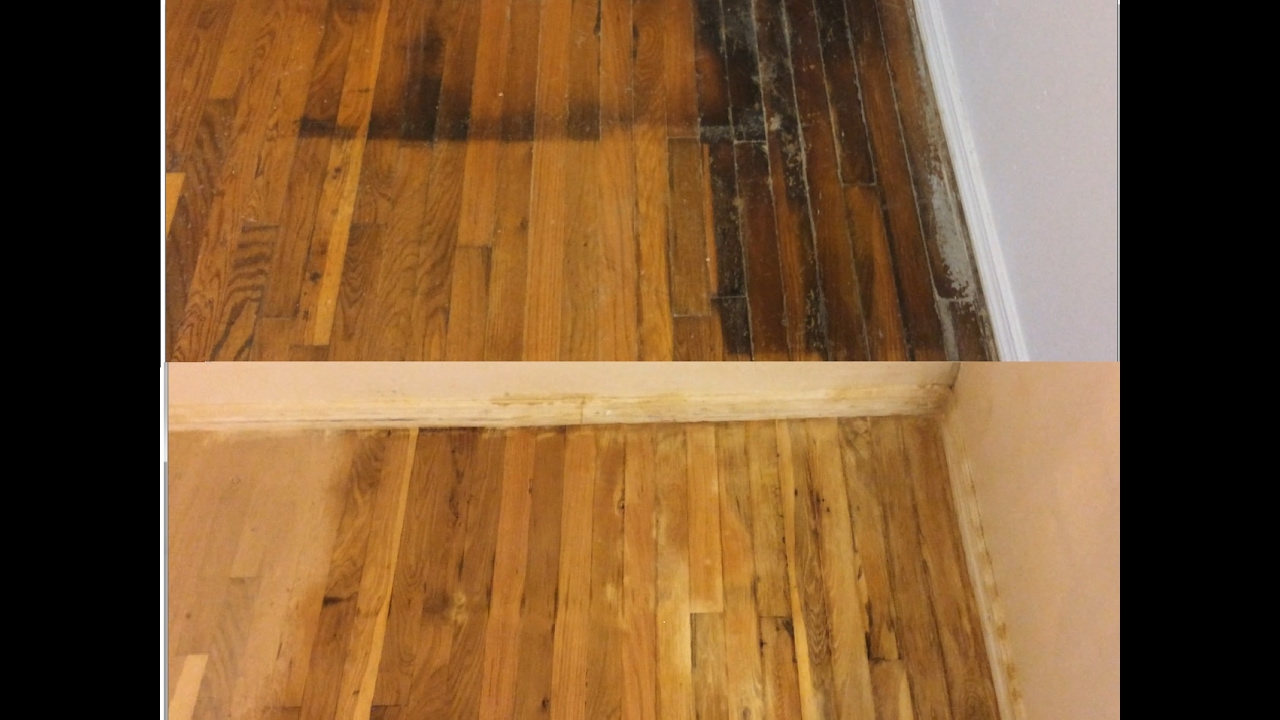
Image Source: i.ytimg.com
Why Pet Stains Are a Problem for Hardwood
Hardwood floors are beautiful and durable, but pet accidents can cause significant damage if not addressed quickly. Here’s why:
- Urine Penetration: Pet urine can seep deep into the wood fibers, leading to discoloration and lingering odors.
- Stain Formation: The organic compounds in urine react with the wood, causing permanent stains.
- Odor Retention: Even after cleaning the surface, the odor can remain trapped within the wood, attracting your pet to repeat the behavior in the same spot.
- Damage to Finish: Urine can break down the protective finish of the hardwood, making it more vulnerable to moisture and wear.
Immediate Action: The Key to Success in Pet Stain Removal Hardwood
The faster you act, the better your chances of completely removing the stain and odor.
- Blot Immediately: As soon as you notice an accident, grab paper towels or a clean cloth and blot up as much liquid as possible. Avoid rubbing, which can spread the stain.
- Apply Pressure: Apply firm pressure to absorb as much of the urine as possible. You may need to use several layers of paper towels.
- Repeat: Continue blotting until the area is as dry as possible.
Basic Cleaning for Fresh Stains
For fresh stains, basic cleaning might be enough.
- Mix Solution: Combine warm water with a mild dish soap.
- Dampen Cloth: Dip a clean cloth into the soapy water and wring out excess moisture. The cloth should be damp, not soaking wet.
- Gently Wipe: Gently wipe the affected area.
- Dry Thoroughly: Use a clean, dry cloth to dry the area completely.
Choosing the Right Hardwood Floor Pet Stain Cleaner
Selecting the appropriate cleaning solution is vital to protect your floors while effectively removing stains and odors. There are several options, each with its pros and cons:
Enzymatic Cleaners for Hardwood
What is an enzymatic cleaner for hardwood? Enzymatic cleaners contain enzymes that break down the organic compounds in pet urine, feces, and vomit, eliminating both the stain and the odor. These are often the most effective option for pet stain removal hardwood.
- How They Work: Enzymes digest the proteins and bacteria in pet waste, breaking them down into smaller, odorless compounds.
- Why They’re Recommended:
- Effective at removing both stains and odors.
- Safe for use on hardwood floors when used as directed.
- Discourage pets from re-marking the same spot.
- How to Use:
- Blot up as much of the stain as possible.
- Apply the enzymatic cleaner liberally to the affected area, ensuring it covers the entire stain.
- Let it sit for the time recommended on the product label (usually several hours or overnight).
- Blot up the cleaner with a clean cloth.
- Allow the area to air dry completely.
- Important: Always test the cleaner on an inconspicuous area first to ensure it doesn’t damage the finish.
DIY Hardwood Pet Stain Removal Solutions
While commercially available cleaners are often the best choice, some DIY solutions can be effective for lighter stains.
Hydrogen Peroxide Hardwood Stains
Can I use hydrogen peroxide on hardwood stains? Yes, hydrogen peroxide can be used on hardwood stains, but it should be used with caution. It can lighten the wood, so it’s best for lighter-colored floors and should be tested in an inconspicuous area first.
- How It Works: Hydrogen peroxide is a mild bleaching agent that can help lift stains.
- How to Use:
- Mix a 3% hydrogen peroxide solution with water (1:1 ratio).
- Apply the solution to the stain using a clean cloth.
- Let it sit for a few hours, checking periodically to see if the stain is lifting.
- Wipe away the solution and dry the area thoroughly.
- Caution: Hydrogen peroxide can lighten the wood, so use it sparingly and test it in an inconspicuous area first.
Baking Soda Paste
- How It Works: Baking soda is a natural deodorizer and can help absorb stains.
- How to Use:
- Make a paste of baking soda and water.
- Apply the paste to the stain and let it dry completely (this may take several hours or overnight).
- Vacuum up the dried paste.
- Wipe the area with a damp cloth and dry thoroughly.
White Vinegar Solution
- How It Works: Vinegar is a mild acid that can help neutralize odors and lift stains.
- How to Use:
- Mix equal parts white vinegar and water.
- Apply the solution to the stain with a clean cloth.
- Let it sit for 5-10 minutes.
- Wipe away the solution and dry the area thoroughly.
- Caution: Vinegar can be acidic, so use it sparingly and avoid prolonged contact with the wood.
What about ammonia pet stains hardwood?
Should I use ammonia to remove pet stains from hardwood? No, avoid using ammonia to clean pet stains on hardwood. Ammonia has a strong odor similar to urine, which can actually attract your pet to urinate in the same spot again. It can also damage the finish and discolor the wood.
Dealing with Old or Stubborn Stains
Older or more stubborn stains may require more intensive treatments.
Steaming the Stain
- How It Works: The heat from the steamer can help lift the stain from the wood fibers.
- How to Use:
- Use a steam cleaner with an upholstery attachment.
- Hold the steamer nozzle a few inches above the stain and steam for a few minutes.
- Blot up the moisture with a clean cloth.
- Repeat as needed.
- Caution: Avoid over-saturating the wood with steam, as this can cause warping.
Using Wood Bleach
Wood bleach is a stronger option for removing deep stains, but it should be used with caution and only as a last resort.
- Types of Wood Bleach:
- Oxalic Acid: Effective for removing dark water stains and tannin stains.
- Two-Part Bleach (Sodium Hydroxide and Hydrogen Peroxide): More potent and effective for lightening the wood.
- How to Use:
- Follow the manufacturer’s instructions carefully.
- Apply the bleach to the stain using a brush or cloth.
- Let it sit for the recommended time.
- Neutralize the bleach with water and a vinegar solution (1 cup of vinegar per gallon of water).
- Rinse thoroughly with clean water.
- Allow the area to dry completely.
- Caution: Wood bleach is a strong chemical and can be harmful. Wear gloves, eye protection, and a respirator when using it. Always test it in an inconspicuous area first.
Sanding and Refinishing
For very old or deep stains, sanding and refinishing may be the only option. This involves removing the top layer of the wood to eliminate the stain and then applying a new finish.
- When to Consider Sanding:
- The stain is very old and deep.
- Other methods have failed.
- The finish is damaged or worn.
- How to Sand and Refinish:
- Prepare the Area: Remove all furniture and cover nearby surfaces with plastic sheeting.
- Sand the Floor: Use a drum sander or orbital sander to remove the old finish and stain. Start with a coarse-grit sandpaper and gradually move to finer grits.
- Clean the Floor: Vacuum up all the sanding dust.
- Apply Stain (Optional): If you want to change the color of the floor, apply a wood stain according to the manufacturer’s instructions.
- Apply Finish: Apply several coats of polyurethane or another hardwood floor finish, allowing each coat to dry completely before applying the next.
- Important: Sanding and refinishing can be a labor-intensive and dusty process. If you’re not comfortable doing it yourself, it’s best to hire a professional.
Dog Stain Hardwood Floor: Additional Tips
When addressing dog stains on hardwood, consider these additional tips:
- Male Dog Marking: Male dogs often mark their territory by urinating on vertical surfaces. Check baseboards and walls for stains.
- Chronic Issues: If your dog is repeatedly urinating indoors, consult with your veterinarian to rule out any medical conditions.
Cat Urine Hardwood Removal: Specific Challenges
Cat urine presents unique challenges due to its strong odor and tendency to soak deep into the wood.
- Use Black Light: A black light can help you locate hidden cat urine stains.
- Multiple Treatments: Cat urine stains may require multiple treatments with enzymatic cleaners.
- Consider Subfloor Damage: If the urine has soaked through the hardwood, it may have damaged the subfloor as well. In this case, you may need to replace the affected area of the subfloor.
Preventing Future Pet Stains
Prevention is always better than cure. Here are some tips to prevent future pet stains on your hardwood floors:
- Regular Potty Breaks: Take your dog out for regular potty breaks, especially first thing in the morning and last thing at night.
- Litter Box Maintenance: Keep your cat’s litter box clean and accessible.
- Training: Train your pet to eliminate outdoors or in designated areas.
- Pet Diapers: If your pet has incontinence issues, consider using pet diapers.
- Protective Mats: Place protective mats or rugs in areas where your pet is likely to have accidents.
- Seal Hardwood After Pet Stain Removal: Applying an extra coat of sealant after removing the stain can provide added protection against future accidents. This is especially helpful in high-traffic areas or where accidents are more likely to occur.
Seal Hardwood After Pet Stain Removal
Why should you seal hardwood after pet stain removal? Sealing hardwood after pet stain removal helps to protect the wood from future stains and moisture damage. It creates a barrier that prevents liquids from penetrating the wood fibers, making it easier to clean up accidents.
- Types of Sealants:
- Polyurethane: Durable and water-resistant.
- Water-Based Sealants: Low VOC and environmentally friendly.
- How to Seal:
- Clean the floor thoroughly.
- Apply the sealant according to the manufacturer’s instructions.
- Allow the sealant to dry completely before allowing pets or furniture back on the floor.
Table: Cleaning Solutions for Pet Stains on Hardwood
| Cleaning Solution | Pros | Cons | Best For |
|---|---|---|---|
| Enzymatic Cleaner | Most effective, eliminates odor, safe for hardwood | Can be expensive, may require multiple applications | All types of pet stains, especially old stains |
| Hydrogen Peroxide | Readily available, mild bleaching action | Can lighten wood, may not remove odors completely | Light-colored floors, fresh stains |
| Baking Soda Paste | Natural deodorizer, absorbs stains | Can be messy, may not be effective for deep stains | Fresh stains, odor removal |
| White Vinegar Solution | Readily available, neutralizes odors | Can be acidic, may damage finish if used excessively | Fresh stains, odor removal |
| Steaming | Non-chemical, can lift stains | May cause warping if overused, not effective for deep stains | Fresh stains, surface cleaning |
| Wood Bleach (Oxalic Acid) | Effective for dark water stains | Strong chemical, requires careful handling | Stubborn water stains, tannin stains |
| Wood Bleach (Two-Part) | Very potent, lightens wood effectively | Strong chemical, requires careful handling, can damage wood if overused | Deep, dark stains |
Frequently Asked Questions (FAQ)
-
Q: Will pet stains permanently damage my hardwood floors?
- A: Not always, but if left untreated, they can cause permanent discoloration and odor. Quick action and the right cleaning solutions are key.
-
Q: What is the best way to remove pet odor from hardwood floors?
- A: Enzymatic cleaners are the most effective for removing pet odors, as they break down the organic compounds that cause the smell.
-
Q: Can I use bleach to clean pet stains on hardwood floors?
- A: While bleach can remove stains, it can also damage and discolor hardwood. It’s best to use wood-specific bleach with caution or opt for safer alternatives.
-
Q: How do I find hidden pet stains on my hardwood floors?
- A: Use a black light in a dark room. Pet urine will glow under the black light, making it easier to identify hidden stains.
-
Q: My pet keeps peeing in the same spot. How do I stop this?
- A: Thoroughly clean the area with an enzymatic cleaner to remove all traces of the odor. You can also try placing a pet bed or feeding bowl in that spot to discourage your pet from returning.
Conquer those stubborn pet stains and restore the gleam to your hardwood floors with these proven strategies. Acting swiftly and armed with the correct cleaning arsenal are your keys to lasting beauty.

Hi, I’m Mette Morgan—a lifelong pet enthusiast and the heart behind PetNobs.com.. My journey with animals began at an early age, and over the years, I’ve gathered invaluable experiences and insights on everything from everyday pet care to the unique quirks each animal brings to our lives. Here at PetNobs, I share my genuine passion, practical tips, and personal stories to help you create a loving, well-informed environment for your furry, feathered, or scaled friends. Welcome to my little corner of the pet world—it’s a joy to have you here!