Where can I bury my pet for free? The answer depends on where you live. While a backyard pet burial might seem like the most convenient and comforting free pet disposal option, pet burial laws vary significantly by state, county, and even city. It’s crucial to research your local regulations before considering pet interment at home. This guide will help you navigate the complexities of pet burial legality and explore other ethical pet disposal choices.
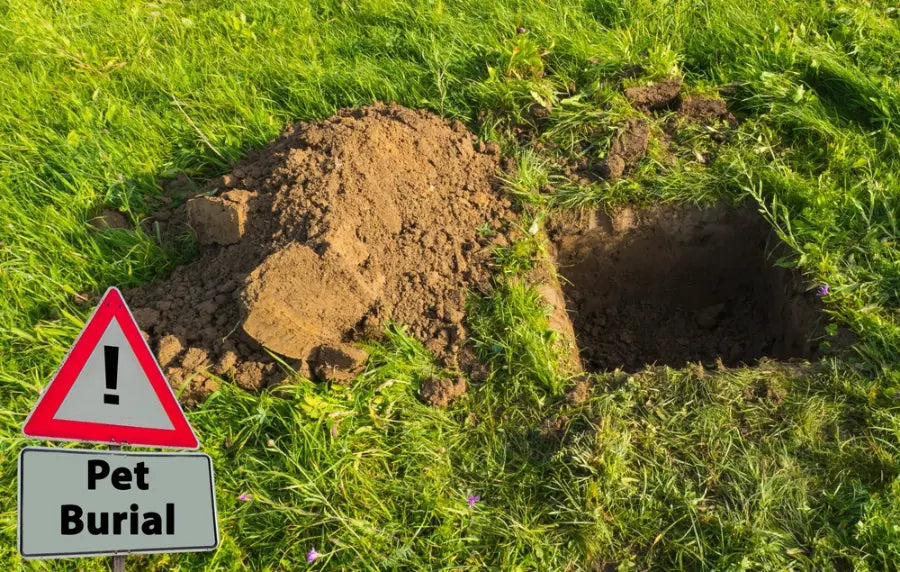
Image Source: titancasket.com
Pet Burial Laws Across the Country
Navigating pet burial laws can be a maze. There’s no nationwide standard; instead, each region sets its own rules, impacting backyard pet burial legality. This section will delve into why these laws exist and give you a roadmap for finding the ones that apply to you.
Why Do Pet Burial Laws Exist?
Pet burial laws aren’t about being insensitive; they’re about public health and environmental protection. Improperly burying a pet can lead to several problems:
- Water Contamination: Decomposing bodies can leach bacteria and chemicals into the soil, potentially contaminating groundwater sources.
- Disease Transmission: Carcasses can attract scavengers, spreading diseases. If the pet died from a contagious illness, the risk is higher.
- Public Health Concerns: In densely populated areas, improper burials can create unpleasant odors and attract pests, affecting the quality of life for neighbors.
Finding the Pet Burial Laws That Apply to You
Because regulations vary so much, a thorough search is vital. Here’s how to find the information you need:
- Start with Your City/County Website: Most local governments have websites with detailed information about ordinances, including those related to animal control and waste disposal. Search for terms like “animal disposal,” “pet burial,” or “animal control ordinances.”
- Check Your State’s Department of Agriculture or Natural Resources: These departments often have guidelines or regulations regarding animal disposal, particularly concerning livestock but sometimes extending to pets.
- Contact Your Local Animal Control Office: They can provide specific information about pet burial legality in your area and clarify any uncertainties.
- Consult with a Veterinarian: Vets are familiar with local regulations and can offer advice on pet disposal options, including legal burial practices.
- Homeowners Associations (HOAs): Even if local laws allow backyard burial, your HOA might have rules prohibiting it. Review your HOA guidelines carefully.
Common Restrictions and Requirements
Even where backyard pet burial is permitted, there are often rules you need to follow:
- Burial Depth: Most laws require a minimum burial depth (typically 2-3 feet) to prevent scavenging animals from digging up the remains and to promote proper decomposition.
- Location Restrictions: Burials may be prohibited near water sources (wells, streams, lakes) or property lines.
- Type of Animal: Some regulations differentiate between small pets (cats, dogs) and larger animals (horses, livestock), with stricter rules for the latter.
- Health of the Animal: If your pet died from a reportable or contagious disease, burial might be prohibited to prevent the spread of the illness.
- Proper Covering: The pet must be covered with a suitable material like lime to aid decomposition and reduce odors.
Table: Example of Varying Pet Burial Laws
| Location | Backyard Burial Allowed? | Depth Requirement | Restrictions | Source |
|---|---|---|---|---|
| Austin, Texas | Yes | 3 feet | Must be on your property, away from water sources. | Austin City Code |
| Denver, Colorado | No | N/A | Prohibited within city limits. Cremation or burial at a pet cemetery required. | Denver Revised Municipal Code |
| Rural Georgia | Yes | 2 feet | Must be on your property. Check county ordinances for specific restrictions. | Georgia Department of Natural Resources |
| New York City | No | N/A | Prohibited within city limits. Pet cemeteries or professional disposal services required. | NYC Department of Health |
Important Note: This table provides examples only. Always verify the current laws in your specific location.
Backyard Pet Burial Legality: Risks and Considerations
While the idea of burying your pet in your backyard might be comforting, it is essential to consider the potential risks and ethical implications. It’s also crucial to weigh the emotional considerations against the potential environmental impact.
Environmental Concerns
As mentioned earlier, improper pet burial can have negative consequences for the environment:
- Soil and Water Contamination: Chemicals used to euthanize pets can persist in the body and leach into the soil, potentially contaminating groundwater. Medications the pet was taking can also pose a risk.
- Spread of Disease: If the pet died from an infectious disease, the pathogens could survive in the soil and pose a risk to other animals or even humans.
- Attraction of Wildlife: A shallow grave can attract scavengers like coyotes, foxes, or rodents, who may dig up the remains.
Ethical Considerations
Beyond the legal and environmental aspects, think about the ethical side of pet interment at home:
- Respect for the Animal: Ensure the burial is dignified and respectful. This means choosing a suitable location, digging a deep enough grave, and properly covering the remains.
- Future Land Use: Consider what might happen to your property in the future. Will the burial site be disturbed by construction or landscaping? Would future owners be comfortable with the presence of a pet burial ground?
- Emotional Impact: While burying your pet at home can provide closure, it can also be a constant reminder of your loss. Consider whether this will be emotionally healthy for you in the long run.
- DIY Pet Cemetery: If you have multiple pets, creating a DIY pet cemetery on your property might seem like a good idea. However, ensure this doesn’t violate any local ordinances or HOA rules and that you can maintain the area respectfully over time.
Free Pet Disposal Options and Affordable Alternatives
If backyard burial isn’t feasible or desirable, several other options exist for ethical pet disposal. Some of these are free or low-cost, making them accessible to everyone.
Municipal Cremation or Disposal
Many cities and counties offer pet cremation or disposal services, often at a significantly lower cost than private pet crematories. These services may involve:
- Group Cremation: The pet is cremated with other animals, and the ashes are not returned to the owner. This is typically the most affordable option.
- Landfill Disposal: In some areas, animal remains are disposed of in a landfill. While this might seem unappealing, it is a safe and regulated method of disposal.
To find these services, contact your local animal shelter, animal control office, or public works department.
Veterinary Clinic Disposal
Many veterinary clinics offer pet cremation services, either individually or through a third-party provider. While this isn’t typically free, some clinics may offer reduced rates for low-income clients or those facing financial hardship. Ask your vet about affordable pet cremation alternatives.
Home Composting (Check Local Laws)
In some areas, composting pet remains is legal. This involves placing the body in a compost bin or pile along with organic matter like leaves, grass clippings, and food scraps. The decomposition process breaks down the remains naturally.
Important: Composting pet remains requires specific knowledge and precautions to ensure it is done safely and effectively. Research proper composting methods and local regulations before attempting this.
Taxidermy or Freeze-Drying
While not free, taxidermy or freeze-drying allows you to preserve your pet’s body. This can be a costly option but may provide a lasting memorial for some pet owners.
Donation to Science
Some veterinary schools or research facilities accept deceased animals for educational or research purposes. This can be a meaningful way to contribute to veterinary medicine, but it means you won’t get your pet’s remains back.
Pet Memorial Garden at Home: Honoring Your Companion
Even if you can’t bury your pet in your backyard, you can still create a special pet memorial garden at home to honor their memory. This can be a comforting way to grieve pet loss resources and keep their spirit alive.
Ideas for Creating a Pet Memorial Garden
- Choose a Special Location: Select a spot in your yard that was meaningful to your pet, such as their favorite napping spot or a place where they loved to play.
- Plant Flowers or Trees: Plant flowers, trees, or shrubs that remind you of your pet. Consider their favorite colors or scents.
- Add a Memorial Stone or Plaque: A stone or plaque with your pet’s name, dates, and a short message can serve as a lasting tribute.
- Include Their Favorite Toys or Belongings: Place a favorite toy, collar, or blanket in the garden as a reminder of their personality.
- Create a Water Feature: A small fountain or birdbath can add a sense of peace and tranquility to the garden.
- Build a Bench or Seating Area: Create a comfortable spot where you can sit and reflect on your memories of your pet.
Tips for Maintaining Your Pet Memorial Garden
- Keep it Tidy: Regularly weed, water, and prune the plants in the garden to keep it looking its best.
- Add Seasonal Decorations: Change the decorations in the garden to reflect the seasons or holidays.
- Make it a Place of Reflection: Use the garden as a place to remember and celebrate your pet’s life.
Grieving Pet Loss Resources
Losing a pet can be a deeply painful experience. It’s important to allow yourself to grieve and seek support if needed.
Support Groups and Counseling
- Pet Loss Support Groups: Many communities offer pet loss support groups where you can connect with others who understand what you’re going through.
- Individual Counseling: A therapist or counselor can provide individual support and guidance as you navigate your grief.
Online Resources
- Pet Loss Websites: Several websites offer articles, forums, and other resources for grieving pet owners.
- Hotlines and Helplines: Some organizations offer pet loss hotlines or helplines where you can speak to a trained counselor.
Books and Articles
- Books on Pet Loss: Many books address the topic of pet loss and offer practical advice on coping with grief.
- Articles on Pet Loss: Online articles can provide information and support as you navigate your grief journey.
Memorializing Your Pet
Creating a lasting memorial for your pet can be a helpful way to cope with your loss. Consider:
- Creating a Photo Album or Scrapbook: Compile photos and memories of your pet in a special album or scrapbook.
- Writing a Eulogy or Poem: Express your feelings about your pet in a eulogy or poem.
- Making a Donation in Their Name: Donate to an animal shelter or rescue organization in your pet’s name.
- Planting a Tree in Their Memory: Plant a tree in your yard or a local park as a living tribute to your pet.
Fathoming Pet Loss: A Personal Journey
Losing a beloved pet is a unique and personal experience. There’s no right or wrong way to grieve. Allow yourself to feel your emotions, seek support when you need it, and remember the joy and love your pet brought into your life. Ethical pet disposal and memorialization are important parts of honoring their memory.
Frequently Asked Questions (FAQ)
-
What is the typical cost of pet cremation?
The cost of pet cremation varies depending on the size of the animal, the type of cremation (private vs. group), and the provider. Generally, you can expect to pay anywhere from $75 to $300 or more. -
Can I bury my pet on public land?
No, burying pets on public land is generally prohibited. This includes parks, forests, and other government-owned properties. -
Who is responsible for enforcing pet burial laws?
Pet burial laws are typically enforced by local animal control officers, health departments, or code enforcement agencies. -
What happens if I violate pet burial laws?
Violating pet burial laws can result in fines, warnings, or other penalties, depending on the severity of the infraction and local regulations. -
Are there pet cemeteries near me?
To find pet cemeteries in your area, search online for “pet cemeteries near me” or contact your local veterinary clinic or animal shelter for recommendations. -
How deep should I bury my pet?
A general guideline is to bury your pet at least 2-3 feet deep to prevent scavenging. However, it’s essential to check your local ordinances for specific requirements. -
What is a natural pet burial?
A natural pet burial involves burying your pet’s body in a biodegradable container or shroud, allowing it to decompose naturally without harming the environment. It often involves using natural burial grounds or adhering to specific eco-friendly practices.

Hi, I’m Mette Morgan—a lifelong pet enthusiast and the heart behind PetNobs.com.. My journey with animals began at an early age, and over the years, I’ve gathered invaluable experiences and insights on everything from everyday pet care to the unique quirks each animal brings to our lives. Here at PetNobs, I share my genuine passion, practical tips, and personal stories to help you create a loving, well-informed environment for your furry, feathered, or scaled friends. Welcome to my little corner of the pet world—it’s a joy to have you here!