Why can’t you pet service dogs? You can’t pet service dogs because doing so distracts them from their important job. This distraction can have serious consequences for the handler who relies on the dog’s assistance. This article will explore service dog etiquette and the many reasons why petting a service dog is a no-no, focusing on the impact of petting on service dogs and professional working dog behavior.
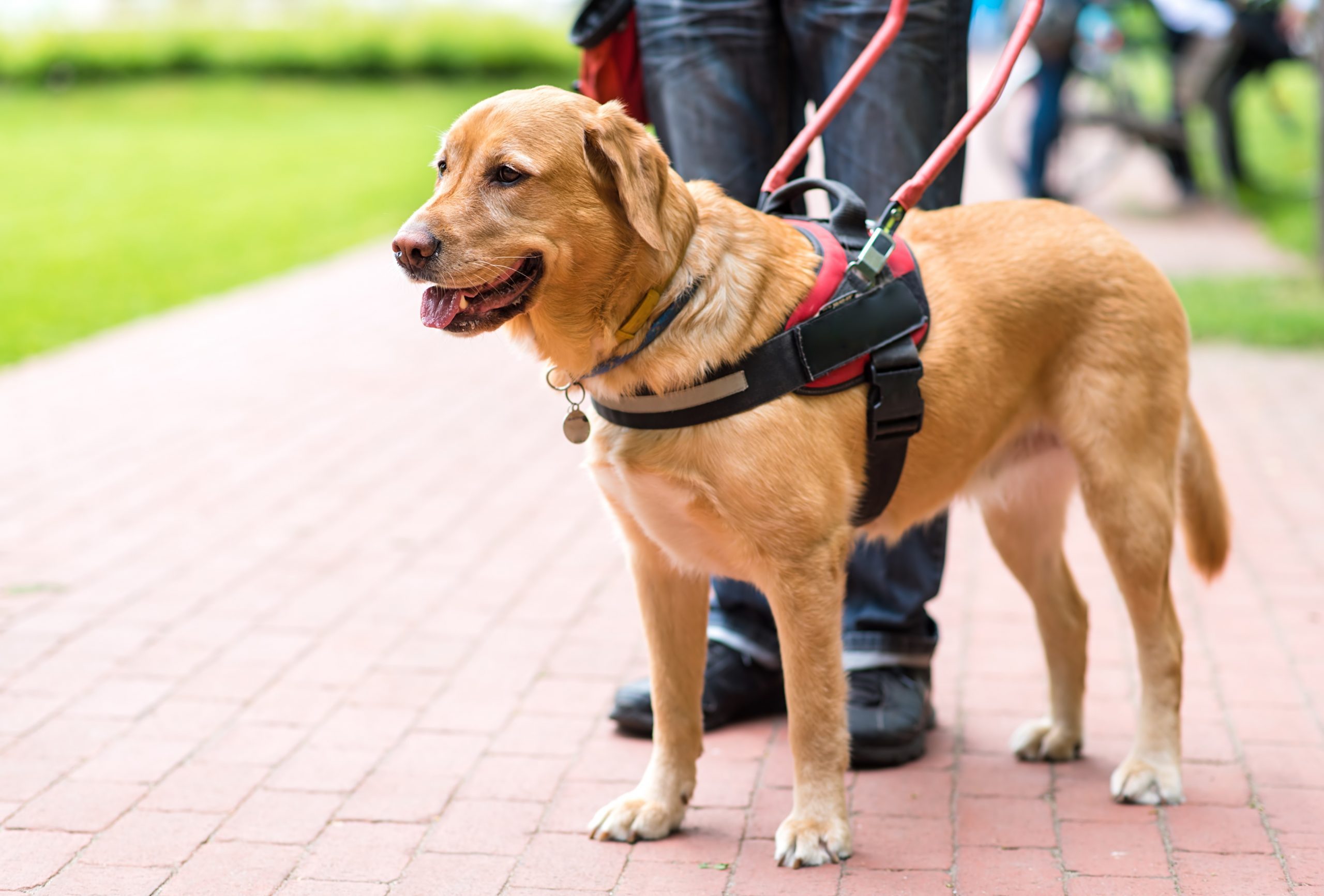
Image Source: www.rd.com
The Role of Service Dogs
Service dogs are more than just pets. They are highly trained animals that perform specific tasks to help people with disabilities. These tasks can range from guiding the visually impaired to detecting medical conditions like seizures or low blood sugar. Their focus and concentration are essential for the safety and well-being of their handlers. The work they do significantly improves the quality of life for their handlers, affording them greater independence.
- Guide Dogs: Assist individuals with visual impairments to navigate safely.
- Hearing Dogs: Alert individuals with hearing impairments to important sounds like doorbells, alarms, or their name being called.
- Mobility Assistance Dogs: Help individuals with mobility issues by retrieving objects, opening doors, or providing balance support.
- Medical Alert Dogs: Detect medical conditions such as seizures, low blood sugar, or allergic reactions and alert the handler or others nearby.
- Psychiatric Service Dogs: Provide support to individuals with mental health conditions such as PTSD, anxiety, or depression by performing tasks like reminding them to take medication, providing tactile stimulation, or creating a buffer in crowded spaces.
The Golden Rule: Leave Them Alone
The most important aspect of service dog etiquette is understanding that these dogs are working and should not be disturbed. Treating them like ordinary pets undermines their training and can create dangerous situations.
Why Touching is Trouble
Petting a service dog seems harmless, but it can have significant consequences.
- Breaks Concentration: Service dogs need to focus intently on their handlers and their surroundings. Petting them can break this focus.
- Encourages Unprofessional Behavior: Petting rewards the dog for breaking its professional demeanor. This can cause confusion about when it’s okay to work and when it’s okay to play.
- Disrupts Training: Service dogs undergo rigorous training to learn specific tasks. Petting reinforces the idea that it’s acceptable to be distracted, which undermines their training.
- Creates Distractions for the Handler: The handler must manage not only their own needs but also the dog’s behavior. When others interact with the dog, it adds to the handler’s burden.
Reasons Not to Pet Service Dogs: A Detailed Breakdown
Here are the key reasons why you shouldn’t pet a service dog, explored in greater depth:
- Safety of the Handler: Distracting a guide dog can lead to the handler stumbling into traffic or other hazards. If a medical alert dog is distracted, it might miss crucial signs of a medical emergency. The consequences of petting service dogs can be severe, affecting the safety and well-being of the handler.
- Compromised Task Performance: When a service dog is distracted, its ability to perform its trained tasks is compromised. This is especially critical for dogs that provide life-saving assistance.
- Confusion for the Dog: A service dog needs to clearly differentiate between work time and playtime. Random petting blurs this line and can lead to confusion and decreased reliability.
- Impact on Future Training: Improper interactions can negatively impact the dog’s future training. It can take significantly more time and effort to correct behaviors that have been inadvertently reinforced through casual petting.
Focusing on Handler: The Key to Respectful Interaction
Instead of focusing on the dog, concentrate on the handler.
- Talk to the Handler, Not the Dog: If you have questions about the dog or its role, address them to the handler.
- Maintain Distance: Give the handler and dog space to move freely and perform their tasks.
- Avoid Making Noises: Refrain from making noises (like whistling or calling) to get the dog’s attention.
Consequences of Petting Service Dogs
The consequences of petting a service dog can range from minor inconveniences to life-threatening situations.
| Consequence | Description | Example |
|---|---|---|
| Delayed Medical Alert | The dog may miss early signs of a medical emergency, delaying treatment. | A diabetic alert dog distracted by petting might miss the handler’s blood sugar dropping dangerously low. |
| Navigation Errors | A guide dog might lead the handler into an obstacle or dangerous situation. | A guide dog distracted by someone petting it might lead its handler into a street without realizing it. |
| Increased Anxiety for the Handler | The handler may experience increased stress and anxiety due to having to constantly manage other peoples’ interactions. | A handler with PTSD might feel overwhelmed if people frequently try to interact with their psychiatric service dog. |
| Disrupted Routine | The disruption can throw off the handler’s routine and make it more difficult to manage daily life. | A person who relies on a service dog to help with mobility may have a delayed appointment because someone distracted the assistance dog. |
Decoding the Vest
Service dogs often wear vests, harnesses, or other gear that identify them as working animals. These identifiers serve as a visual cue to the public.
What the Vest Really Means
The vest is not just a fashion statement. It’s a signal that the dog is on duty and should not be approached. It indicates:
- The Dog is Working: It’s a clear signal that the dog is actively performing a job.
- Do Not Disturb: It’s a request for others to respect the dog’s space and concentration.
- Authority: The vest signifies that the dog has a specific role and is trained to perform certain tasks.
The “Invisible Leash”: Respecting Boundaries
Think of the vest as an “invisible leash” that sets boundaries. It’s a reminder that, while the dog may look friendly and approachable, it’s crucial to maintain distance and avoid interaction. It represents the importance of assistance dog distractions.
Common Misconceptions
There are several misconceptions about service dogs that contribute to people petting them:
- “The Dog Looks Friendly”: A service dog’s friendly appearance doesn’t mean it’s okay to pet it. Its primary purpose is to assist its handler, not to be a social companion for strangers.
- “One Quick Pet Won’t Hurt”: Even a brief interaction can break the dog’s concentration and have negative consequences.
- “The Handler Won’t Mind”: It is difficult for handlers to constantly enforce boundaries. It’s best not to put them in that position.
Interacting With Service Animals: A Guide
If you must interact with a service animal, do so respectfully and only with the handler’s explicit permission.
- Ask First: Always ask the handler if it’s okay to interact with the dog.
- Follow Instructions: If the handler allows you to interact, follow their instructions carefully.
- Keep it Brief: Limit your interaction to a few seconds.
- Avoid Direct Eye Contact: Direct eye contact can be interpreted as a challenge or a sign of aggression by some dogs.
What About Puppies in Training?
Puppies in training are also working animals, even though they are still learning. While they may be more playful than fully trained service dogs, they still need to focus on their training. Petting them can disrupt their learning process and instill bad habits.
Maintaining Consistency
Consistency is crucial for effective training. If a puppy is allowed to be petted sometimes but not other times, it can become confused about when it’s appropriate to work and when it’s appropriate to play. Therefore, guide dog rules apply equally to puppies in training.
Raising Awareness
Education is key to promoting respectful interactions with service dogs.
- Share Information: Talk to friends, family, and colleagues about the importance of not petting service dogs.
- Support Organizations: Donate to or volunteer with organizations that train and provide service dogs.
- Advocate for Accessibility: Support policies and initiatives that promote accessibility for people with disabilities.
The Ripple Effect of Respect
By respecting the role of service dogs, you contribute to a more inclusive and accessible society. This simple act of restraint can have a profound impact on the lives of individuals with disabilities. It also contributes to a better understanding of professional working dog behavior.
Fathoming the Handler’s Perspective
Put yourself in the handler’s shoes. Imagine relying on a dog for your safety and independence, only to have that dog constantly distracted by well-meaning strangers. By truly fathoming the handler’s perspective, you will better appreciate the importance of service dog etiquette.
A Partnership Built on Trust
The relationship between a service dog and its handler is built on trust and mutual reliance. By respecting the dog’s role, you honor that partnership and support the handler’s independence.
Frequently Asked Questions (FAQ)
-
Can I ask the handler about their dog?
- Yes, but be mindful of the handler’s time and energy. Keep your questions brief and respectful.
-
What if the dog approaches me?
- Ignore the dog and focus on the handler. The dog may be trying to perform a task, and any interaction from you could disrupt its work.
-
Is it ever okay to pet a service dog?
- Only with the handler’s explicit permission. If the handler says no, respect their decision.
-
What should I do if I see someone else petting a service dog?
- Politely inform them that petting a service dog can distract it from its job and have negative consequences for the handler.
-
Do all service dogs wear vests?
- Not all service dogs wear vests, but most do. Whether or not the dog is wearing a vest, it’s best to err on the side of caution and assume it’s working.
Let’s champion the vital missions of service dogs by honoring their boundaries; a simple act of restraint from petting preserves their focus and amplifies their ability to transform lives, ultimately safeguarding both the dog and their devoted handler.

Hi, I’m Mette Morgan—a lifelong pet enthusiast and the heart behind PetNobs.com.. My journey with animals began at an early age, and over the years, I’ve gathered invaluable experiences and insights on everything from everyday pet care to the unique quirks each animal brings to our lives. Here at PetNobs, I share my genuine passion, practical tips, and personal stories to help you create a loving, well-informed environment for your furry, feathered, or scaled friends. Welcome to my little corner of the pet world—it’s a joy to have you here!