The most common reason cats purr when you pet them is because they are happy and content. However, cat purring reasons are more complex than just happiness. There are multiple feline purr explanation possibilities. This long-form article dives deep into understanding cat purrs and the purring and petting connection, exploring the diverse causes of cat purring, including when they’re feeling happy, stressed, or even healing.
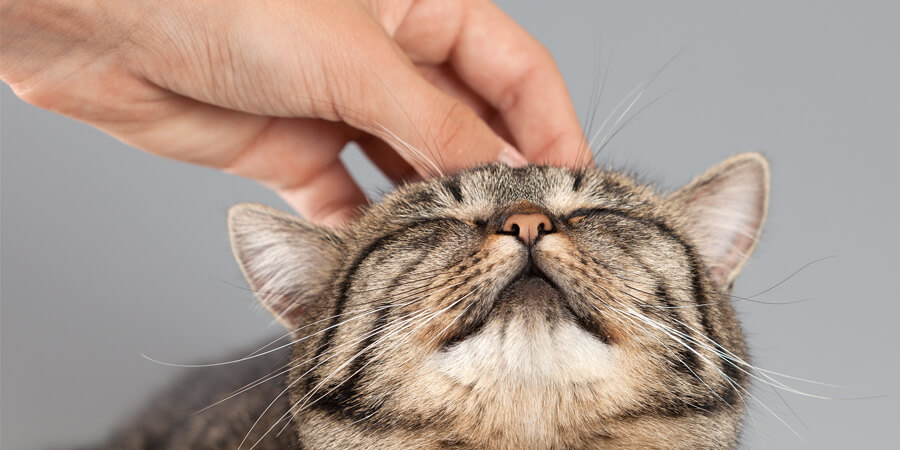
Image Source: www.worldsbestcatlitter.com
The Happy Cat Purring Connection: Decoding Contentment
Decoding the “Happy Purr”
A cat purring while being petted often signifies enjoyment and relaxation. It is a form of cat communication purring that acts as a vocal indicator of pleasure. When you pet your cat in their favorite spots – behind the ears, under the chin, or along the back – it stimulates nerve endings that trigger the release of endorphins. These “feel-good” hormones create a sense of well-being, leading to the purr. Cats love being petted in specific locations, which amplifies this effect.
- Body Language: Observe your cat’s body language in conjunction with the purr. A relaxed posture, half-closed eyes, and gentle kneading (making biscuits) are strong indicators of a happy cat purring.
- Purr Intensity: A soft, gentle purr usually reflects contentment, while a louder purr might indicate intense pleasure or excitement.
Beyond the Petting: Other Times of Happiness
Petting isn’t the only trigger for a happy purr. Cats may also purr when:
- Eating: A cat might purr while eating their favorite food, showcasing their enjoyment of the meal.
- Snuggling: Cuddling with their favorite human or another furry friend can elicit a purr of contentment.
- Relaxing in a Sunny Spot: Feeling the warmth of the sun can bring about a state of bliss, often accompanied by a soothing purr.
Cat Purring Reasons: More Than Just Happiness
While happiness is the most common association, feline purr explanation scenarios go far beyond simple contentment. Interpreting cat purrs requires a more nuanced approach.
Purring as a Self-Soothing Mechanism
Cats also purr when they are stressed, anxious, or in pain. It seems counterintuitive, but purring can act as a self-soothing mechanism. The low-frequency vibrations associated with purring (25-150 Hz) have been linked to several therapeutic benefits.
- Pain Relief: The vibrations may stimulate the release of endorphins, which act as natural painkillers.
- Stress Reduction: Purring can help calm a cat down when they’re feeling overwhelmed or frightened.
- Healing Properties: Studies suggest that the frequency of a cat’s purr can promote bone healing, muscle repair, and wound healing.
Purring for Attention and Food
Cats are clever creatures, and they quickly learn that purring can get them what they want. A cat may purr to solicit attention, food, or playtime from their owner. This is especially true for cats who have learned that purring results in positive reinforcement.
- Attention-Seeking: A cat may rub against your legs and purr loudly to get your attention.
- Food Solicitation: Cats often purr around meal times, hoping to encourage their owners to fill their bowls.
Kitten Purring: A Crucial Bonding Behavior
Kittens are born blind and deaf, relying heavily on their sense of touch and smell. They start purring just a few days after birth.
- Communication with the Mother: A kitten’s purr signals to its mother that it’s nearby and doing well. It also encourages the mother to continue nursing and providing care.
- Bonding: Purring strengthens the bond between the kitten and its mother, creating a sense of security and comfort.
The Mechanics of a Cat Purr: How Do They Do It?
The exact mechanism behind a cat’s purr was a mystery for a long time. The traditional explanation was that the purr was generated by the larynx. However, current research points to a more complex system involving the brain and laryngeal muscles.
- The Neural Oscillator: It’s believed that a unique “neural oscillator” in the cat’s brain sends signals to the laryngeal muscles, causing them to vibrate.
- Laryngeal Muscles: These vibrations cause the vocal cords to separate and close rapidly, producing the characteristic purring sound.
- Hyoid Bone: The hyoid bone, located in the neck, may also play a role in amplifying the purr.
| Feature | Description |
|---|---|
| Neural Oscillator | A brain structure believed to trigger the purring mechanism. |
| Laryngeal Muscles | Muscles in the larynx that vibrate to produce the purring sound. |
| Hyoid Bone | A bone in the neck that might help amplify the purr. |
| Frequency | The vibrations range from 25-150 Hz, thought to have therapeutic benefits. |
Interpreting Cat Purrs: Context is Key
Because there are multiple causes of cat purring, it is important to consider the context and other accompanying behaviors.
Happy Purrs vs. Anxious Purrs
Distinguishing between a happy purr and an anxious purr requires careful observation of your cat’s body language and the surrounding situation.
| Feature | Happy Purr | Anxious Purr |
|---|---|---|
| Body Language | Relaxed posture, closed or half-closed eyes | Tense posture, dilated pupils, flattened ears |
| Context | Being petted, eating, snuggling | Vet visit, loud noises, unfamiliar environment |
| Vocalizations | Soft, gentle purr | Loud, sometimes accompanied by hissing |
| Other Behaviors | Kneading, slow blinking | Hiding, trembling, excessive grooming |
Listen to the Tone of the Purr
Even the tone of the purr can provide clues about your cat’s emotional state.
- High-Pitched Purr: May indicate excitement or anticipation.
- Low-Pitched Purr: Generally associated with contentment or relaxation.
- Loud, Demanding Purr: Often used to solicit attention or food.
Why Cats Love Being Petted: A Sensory Experience
Petting provides cats with a range of positive sensory experiences.
Tactile Stimulation
The gentle stroking and scratching stimulate nerve endings in the skin, triggering the release of endorphins and creating a sense of well-being. Cats have a higher concentration of these nerve endings in certain areas, such as the head, neck, and back, explaining why they enjoy being petted in those locations.
Social Bonding
Petting mimics the grooming behavior that cats engage in with other members of their social group. It reinforces social bonds and creates a sense of closeness and security.
Scent Marking
Cats have scent glands on their face, paws, and flanks. When you pet your cat, they transfer their scent onto you, marking you as part of their territory and solidifying the bond between you.
What If My Cat Doesn’t Purr?
Not all cats purr, and the absence of purring doesn’t necessarily indicate unhappiness or ill health.
- Individual Variation: Just like people, cats have different personalities and ways of expressing themselves. Some cats are simply less vocal than others.
- Other Forms of Communication: Cats communicate through a variety of other means, including meowing, hissing, chirping, body language, and scent marking.
- Medical Conditions: In rare cases, the absence of purring may be a sign of a medical condition affecting the larynx or respiratory system. If you’re concerned about your cat’s lack of purring, consult with your veterinarian.
Grasping Purring and Petting Connection
The purring and petting connection is a multifaceted phenomenon influenced by a complex interplay of biological, psychological, and environmental factors. By carefully observing your cat’s behavior and considering the context, you can gain a deeper appreciation for the meaning behind their purrs. It’s more than just a sign of happiness; it’s a window into their emotional and physical well-being.
Frequently Asked Questions (FAQ)
What is the frequency of a cat’s purr?
The frequency of a cat’s purr typically ranges from 25 to 150 Hz. This frequency range is associated with therapeutic benefits, such as promoting bone healing and tissue repair.
Can I make my cat purr?
Yes, you can often encourage your cat to purr by petting them in their favorite spots, offering them food, or creating a calm and comfortable environment.
Who is more likely to purr, male or female cats?
Both male and female cats purr. There is no significant difference in purring frequency or behavior based on gender.
What are the top 5 reasons why cats purr?
The top 5 reasons are:
- Happiness and contentment
- Self-soothing and pain relief
- Seeking attention or food
- Communication between kittens and their mothers
- Social bonding
Is purring always a sign of happiness?
No, purring is not always a sign of happiness. Cats also purr when they are stressed, anxious, or in pain as a self-soothing mechanism.
How do I know if my cat is purring because they are in pain?
Look for other signs of pain, such as a tense posture, dilated pupils, hiding behavior, decreased appetite, and changes in grooming habits. If you suspect your cat is in pain, consult with your veterinarian.
What should I do if my cat suddenly stops purring?
If your cat suddenly stops purring, it’s a good idea to monitor them for other signs of illness or distress. If you have any concerns, consult with your veterinarian.
Do all cats purr?
No, not all cats purr. Some cats are simply less vocal than others. The absence of purring doesn’t necessarily indicate unhappiness or ill health.
What are the benefits of a cat purring?
The low-frequency vibrations of a cat’s purr have been linked to several therapeutic benefits, including pain relief, stress reduction, bone healing, muscle repair, and wound healing.
How can I tell if my cat’s purr is a happy purr?
A happy purr is usually accompanied by relaxed body language, such as a relaxed posture, half-closed eyes, and gentle kneading. The cat may also be purring while being petted, eating, or snuggling.

Hi, I’m Mette Morgan—a lifelong pet enthusiast and the heart behind PetNobs.com.. My journey with animals began at an early age, and over the years, I’ve gathered invaluable experiences and insights on everything from everyday pet care to the unique quirks each animal brings to our lives. Here at PetNobs, I share my genuine passion, practical tips, and personal stories to help you create a loving, well-informed environment for your furry, feathered, or scaled friends. Welcome to my little corner of the pet world—it’s a joy to have you here!