Do you constantly find pet hair clinging to your clothes, even after washing them? The answer is yes, and this guide provides many effective methods for removing pet hair from your laundry and preventing it from happening in the first place. This comprehensive guide covers everything from pre-treating garments to cleaning your washing machine and dryer, ensuring your clothes are fur-free.
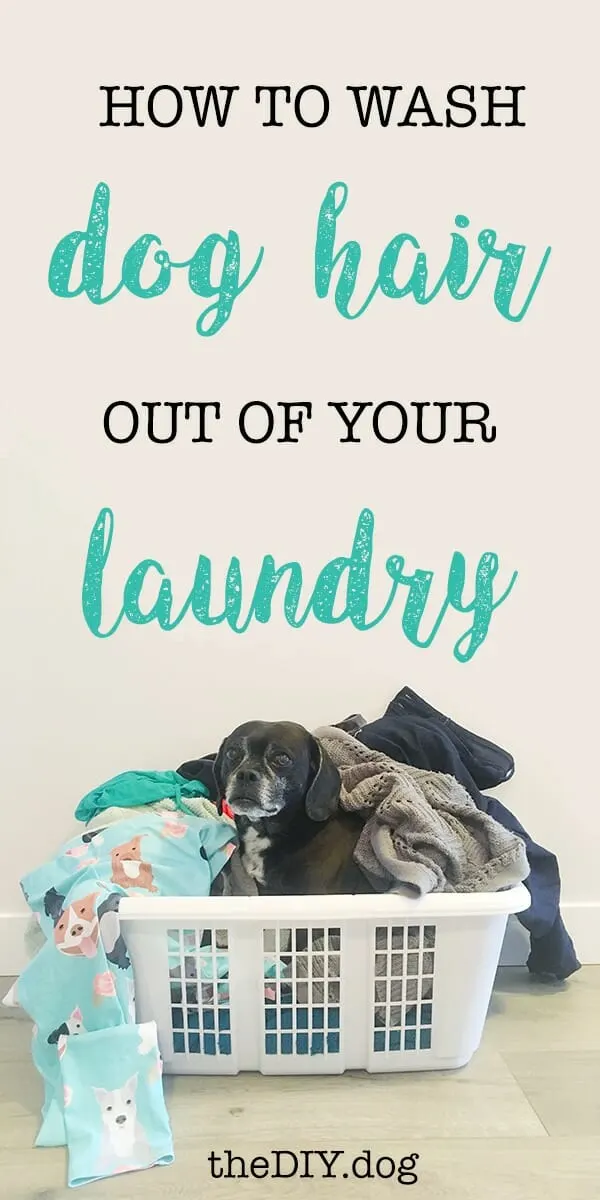
Image Source: kolchakpuggle.com
The Battle Against Fur: Why is Laundry Pet Hair Removal So Hard?
Pet hair’s tenacity stems from a few key factors. Its structure allows it to cling tightly to fabrics. Static electricity, especially in dryers, exacerbates this problem, causing hair to cling even more stubbornly. Also, washing alone often isn’t enough. The agitation can simply redistribute the hair within the load, or clog your machines.
The Usual Suspects: Fabrics That Attract Pet Hair
Certain fabrics are notorious for attracting pet hair. These include:
- Fleece: Its soft, plush texture is a magnet for fur.
- Velvet: Similar to fleece, its nap provides ample opportunity for pet hair to embed itself.
- Corduroy: The ridges of corduroy act like tiny traps for pet hair.
- Upholstery Fabrics: These fabrics are often used for furniture where pets spend a lot of time, and the hair easily transfers to clothing.
Pre-Wash Strategies: Tackling Pet Hair Before It Hits the Machine
The most effective way to combat pet hair in laundry is to minimize the amount that enters the washing machine in the first place.
The Shake-Out Method: Simple but Effective
Before tossing your clothes in the hamper or washing machine, give them a good shake outdoors. This dislodges loose hairs and prevents them from circulating within the machine.
Lint Rollers: A Wardrobe Staple
Keep lint rollers handy. They are great for quickly removing pet hair from clothes, especially before washing. Consider using different types of lint rollers:
- Traditional adhesive rollers: Effective for most fabrics.
- Reusable silicone rollers: Eco-friendly and easy to clean.
- Velvet-surfaced brushes: Work well on delicate fabrics.
Pet Hair Sponges and Brushes: Targeted Hair Removal
Specialized pet hair sponges and brushes can be more effective than lint rollers for certain fabrics.
- Pet hair sponges: These are designed to attract and trap hair.
- Rubber brushes: The rubber bristles create static electricity that lifts hair from fabrics.
- Microfiber cloths: Slightly damp microfiber cloths can pick up a surprising amount of pet hair.
Dryer Sheets: Static Electricity Control
Rubbing a dryer sheet over your clothes can help reduce static electricity, making it easier to remove pet hair with a lint roller or brush.
Laundry Pet Hair Removal: Steps for a Fur-Free Wash
Now that you’ve pre-treated your clothes, it’s time to tackle the washing machine.
Choosing the Right Detergent: Enzymes Matter
Opt for a detergent that contains enzymes. Enzymes help break down proteins found in pet dander and hair, making them easier to remove.
Washing Machine Settings: Maximize Hair Removal
Use these settings to remove hair effectively:
- Water Temperature: Cold water is often preferable as heat can cause pet hair to bind more tightly to fabric.
- Wash Cycle: A cycle with a high water level and extra rinse is ideal. The extra water helps flush out the hair. Bulky/Sheets, or Heavy Duty cycles are good options.
- Extra Rinse Cycle: This ensures all traces of hair are removed.
Adding Vinegar: A Natural Hair Repellent
Add 1/2 cup of white vinegar to the rinse cycle. Vinegar acts as a natural fabric softener and helps loosen pet hair from clothing. It also neutralizes odors.
Laundry Pet Hair Removal Helpers: Specialized Products
Several laundry additives are designed to remove pet hair. These often contain ingredients that help loosen hair and prevent it from reattaching to clothes. Follow the product instructions carefully.
Some popular items are the FurZapper, the Hepper Hedgehog, and the pet hair dissolver.
Preventing Pet Hair in Washing Machine: Mesh Laundry Bags
Use mesh laundry bags to contain items that shed a lot of hair, such as pet beds and blankets. This prevents the hair from spreading throughout the entire load.
Dryer Pet Hair Removal: Finishing the Job
The dryer can be a significant contributor to pet hair problems.
Clean the Lint Trap: A Mandatory Step
Always clean the lint trap before each dryer load. A full lint trap reduces the dryer’s efficiency and can cause pet hair to recirculate onto your clothes.
Dryer Sheets: Reduce Static, Again
Using dryer sheets in the dryer helps reduce static electricity, preventing pet hair from clinging to clothes.
Dryer Balls: Natural Hair Removers
Dryer balls, especially wool dryer balls, can help separate clothes and loosen pet hair. They also reduce static electricity and can shorten drying time.
Checking Clothes After Drying: A Final Inspection
After the drying cycle, inspect your clothes for any remaining pet hair. Use a lint roller or brush to remove any stubborn hairs.
Stop Pet Hair Clinging to Clothes: Prevention is Key
Preventing pet hair from accumulating on your clothes is the most effective strategy.
Regular Grooming: The First Line of Defense
Regularly groom your pets to remove loose hair before it has a chance to shed onto your clothes and furniture. Different brushes work best for different coat types.
- Slicker brushes: Effective for removing mats and tangles.
- Undercoat rakes: Designed to remove loose undercoat.
- Deshedding tools: Specially designed to reduce shedding.
Cover Furniture: Protect Your Upholstery
Use furniture covers or throws to protect your upholstery from pet hair. These covers can be easily removed and washed.
Train Your Pet: Limit Furniture Access
Train your pet to stay off certain furniture items, such as your bed or sofa. This can significantly reduce the amount of pet hair that accumulates on your clothes.
Air Purifiers: Reduce Airborne Hair
Use air purifiers with HEPA filters to remove airborne pet hair. This can help reduce the amount of hair that settles on your clothes and furniture.
Frequent Vacuuming: Keep Hair at Bay
Vacuum your home frequently, paying special attention to areas where your pets spend a lot of time. Use a vacuum cleaner with a HEPA filter to trap pet allergens.
Designated Pet Blankets: Confine the Hair
Provide your pet with designated blankets or beds. Wash these items regularly to prevent hair from spreading to other areas of your home.
Cleaning Your Machines: Preventing Future Problems
Pet hair can accumulate in your washing machine and dryer, causing problems in future loads.
Cleaning Your Washing Machine: Hair Removal
Run an empty wash cycle with hot water and 1 cup of white vinegar to remove accumulated pet hair and detergent residue.
For front-loading machines, pay special attention to the rubber gasket around the door, as pet hair often gets trapped there. Wipe it down regularly.
Some washing machines have a self-cleaning cycle. Use this cycle regularly to keep your machine clean and free of pet hair.
Cleaning Your Dryer: Vent Maintenance
Periodically clean your dryer vent to remove accumulated lint and pet hair. A clogged vent can reduce the dryer’s efficiency and pose a fire hazard.
Disconnect the dryer vent and use a vent cleaning kit to remove lint and hair.
Effective Pet Hair Removal Laundry: Tips for Specific Situations
Different situations require different approaches.
Getting Rid of Dog Hair in Laundry: Heavy Shedders
For dog breeds that shed heavily, consider using a stronger detergent with more enzymes. Pre-soaking clothes in a solution of water and vinegar can also help loosen hair.
Cat Hair Removal Laundry: Static Cling
Cat hair is often finer and more prone to static cling. Focus on reducing static electricity by using dryer sheets, wool dryer balls, or a fabric softener in the wash.
Delicate Fabrics: Gentle Approach
When dealing with delicate fabrics, use a gentle detergent and a delicate wash cycle. Avoid high heat in the dryer, as this can damage the fabric and cause pet hair to bind more tightly.
Alternative Methods
While laundry machines are the primary focus, here are some other methods to manage pet hair:
Hand Washing
For smaller items or delicate fabrics, hand washing can be a good option. Rinse thoroughly to remove all traces of pet hair.
Professional Cleaning
For heavily soiled items or delicate fabrics, consider professional cleaning. Dry cleaners have specialized equipment and techniques for removing pet hair.
Monitoring and Adjusting Your Strategy
What works for one person and their pets may not work for another. Monitor your results and adjust your strategy as needed.
Evaluating Effectiveness
Periodically assess the effectiveness of your pet hair removal methods. Are you seeing a noticeable reduction in pet hair on your clothes? If not, try different techniques or products.
Tweaking Your Routine
Adjust your laundry routine based on the season and your pet’s shedding habits. You may need to increase the frequency of grooming and vacuuming during peak shedding seasons.
Experimenting with Products
Don’t be afraid to experiment with different pet hair removal products and techniques. What works best will depend on your specific situation and preferences.
Summary: Mastering the Art of Fur-Free Laundry
Removing pet hair from laundry is an ongoing process that requires a combination of prevention, effective washing techniques, and regular machine maintenance. By following the tips and strategies outlined in this guide, you can significantly reduce the amount of pet hair on your clothes and in your home.
Frequently Asked Questions (FAQ)
Can I use a regular vacuum cleaner to clean my washing machine?
No, you should not use a regular vacuum cleaner to clean your washing machine. It can damage the machine’s internal components. Use a wet/dry vacuum specifically designed for cleaning appliances.
What is the best way to remove pet hair from a down comforter?
The best approach is to first dry the comforter with dryer balls to loosen the hair, followed by a thorough vacuuming. Then, wash it according to the care instructions, adding white vinegar to the rinse cycle.
Is vinegar safe to use in all washing machines?
Yes, white vinegar is generally safe to use in all types of washing machines, including HE and non-HE models. It can help remove detergent residue and loosen pet hair.
How often should I clean my washing machine to remove pet hair?
You should clean your washing machine at least once a month, or more frequently if you have pets that shed heavily.
Who is most likely to struggle with pet hair in laundry?
Individuals with pets that have long hair or thick undercoats are most likely to struggle with pet hair in laundry. Also, people with fabric-heavy homes will notice the hair more.
What is the best way to prevent pet hair from sticking to my clothes in the first place?
Regularly grooming your pet, covering furniture, and vacuuming frequently are the best ways to prevent pet hair from sticking to your clothes.
Forget the bleach for tackling stubborn pet fur on your clothes. It’s a no-go for hair removal and a potential fabric wrecker. Your best bet lies with enzyme-rich detergents and specialized pet hair removers for a truly clean sweep.

Hi, I’m Mette Morgan—a lifelong pet enthusiast and the heart behind PetNobs.com.. My journey with animals began at an early age, and over the years, I’ve gathered invaluable experiences and insights on everything from everyday pet care to the unique quirks each animal brings to our lives. Here at PetNobs, I share my genuine passion, practical tips, and personal stories to help you create a loving, well-informed environment for your furry, feathered, or scaled friends. Welcome to my little corner of the pet world—it’s a joy to have you here!